
- Strategic partner of Global Fortune 500 companies, designated supplier for government projects worldwide
- Keep Your Project Moving Without Interruption
- Deliver Consistent Quality Across Every Pour
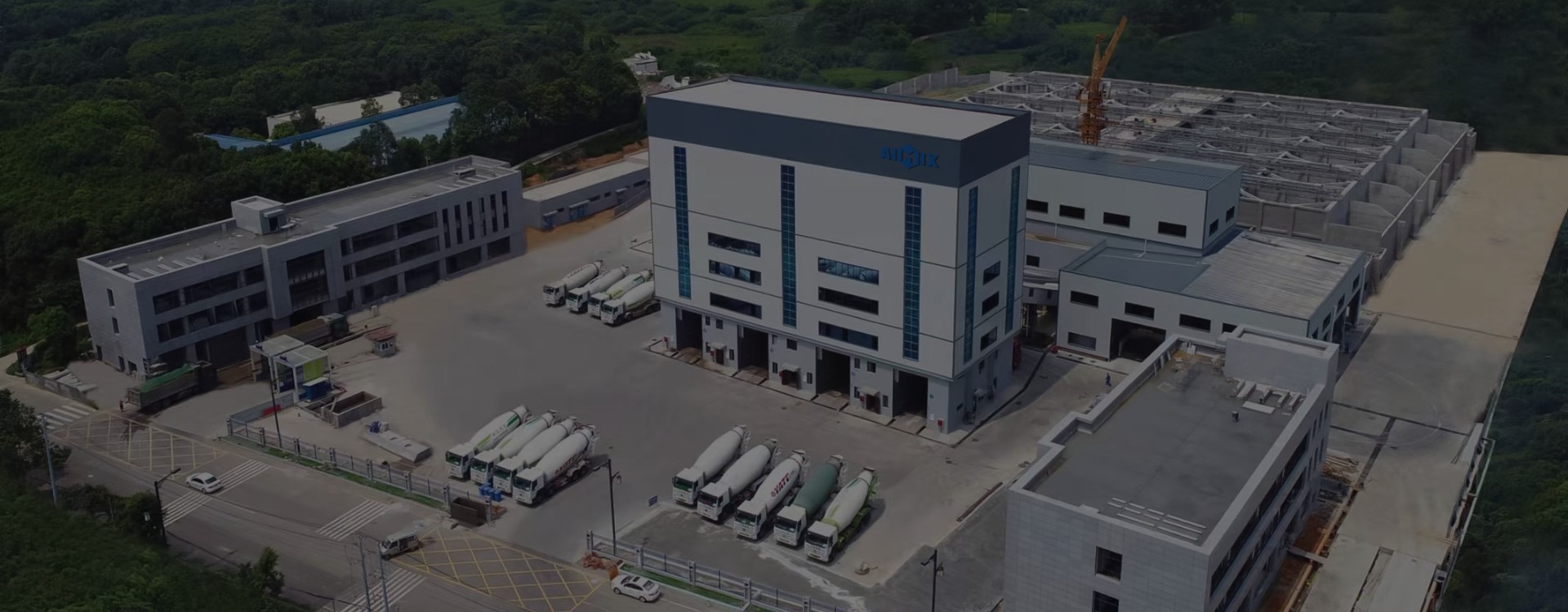
During their operational phases, many construction projects face challenges such as aging mixing equipment that fails environmental inspections, high pollutant emissions, and low production efficiency. To adapt to increasingly stringent environmental regulations and meet high-standard construction requirements, intelligent and eco-friendly new concrete batch plants have emerged as the optimal solution for modern concrete production.
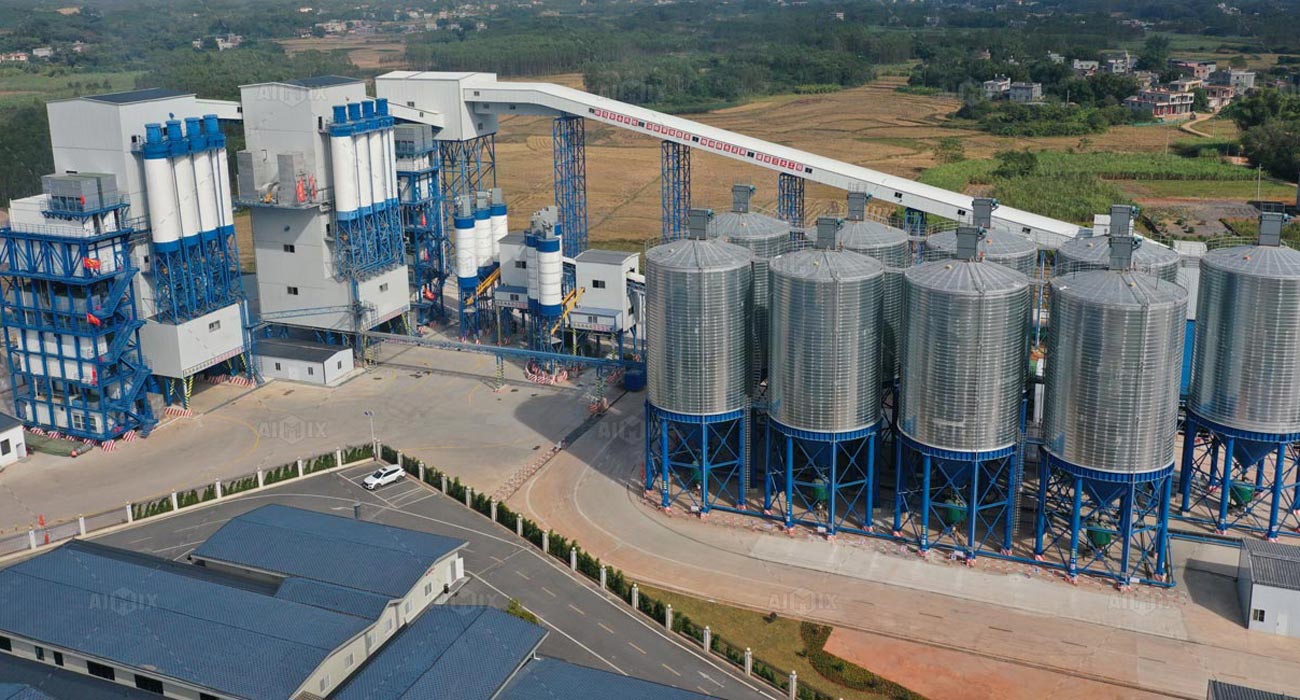
These new concrete batch plants abandon the extensive, resource-intensive production models of traditional equipment, achieving fully enclosed operations, zero-discharge wastewater treatment, and intelligent energy-saving control. Not only do they significantly reduce construction-related pollution and comply with international green building standards, but they also enhance the level of automation and production capacity in concrete mixing—thereby helping construction enterprises lower operating costs and boost project competitiveness.
What Value Does an Eco-Friendly New Concrete Plant Bring?
In the past, when selecting a concrete batching plant, many contractors focused primarily on production capacity, price, and delivery lead times. However, an increasing number of projects are now raising new questions: Can the equipment easily secure environmental approval? Will it help minimize complaints during the construction phase? And will further retrofitting be required in the coming years as environmental standards become more stringent? The focus of environmental configurations is shifting from merely meeting immediate operational needs to anticipating and accommodating future operational demands.
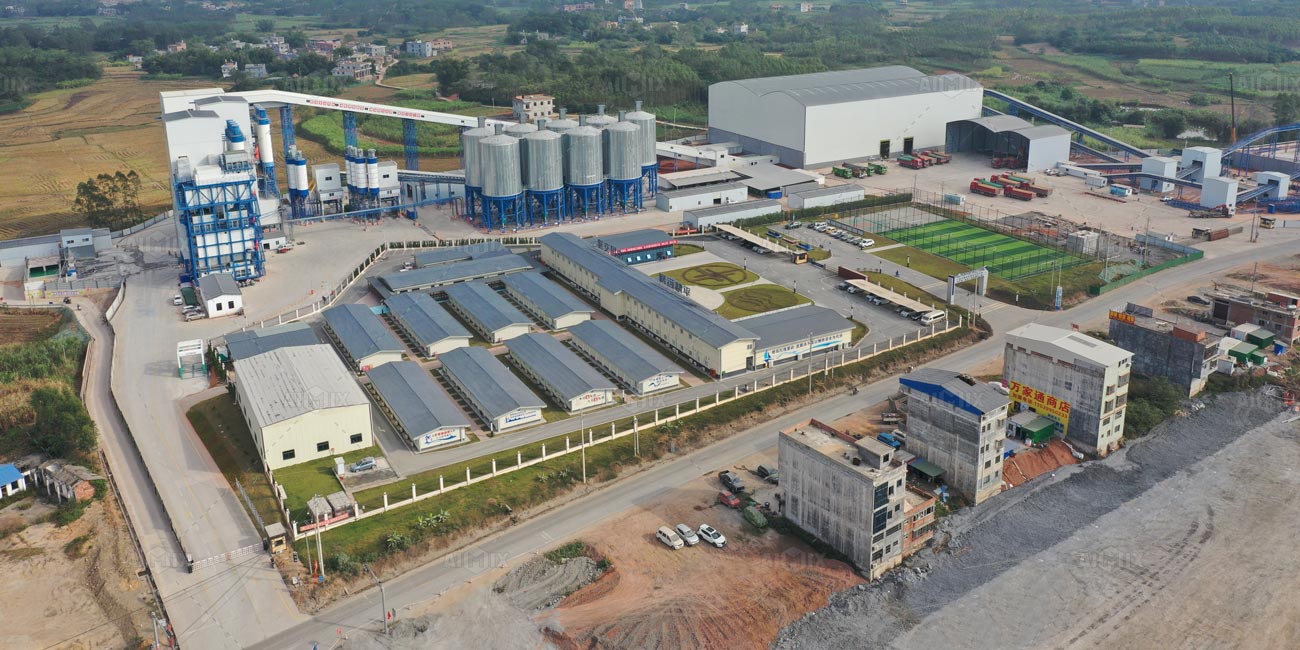
For long-term projects and enterprises committed to sustainable growth, investing in eco-friendly new concrete batching plant is not merely about passing a one-time inspection; rather, it serves to proactively mitigate operational risks, reduce future capital expenditures, and secure a competitive edge in future project bids. The earlier the equipment selection is made—and the more thoroughly future standards are taken into account—the smoother the subsequent project execution typically proceeds.
Ensure Early Compliance to Minimize Project Risks and Penalties
The most direct value of environmental protection investment lies in helping projects reduce uncertainty. Compared to undertaking rectifications at a later stage, establishing a compliant production system in advance is often more cost-effective and efficient.
- Easier to meet local environmental regulations regarding dust emissions, noise pollution, wastewater discharge, and other factors;
- Reduced risk of mandatory rectifications, work stoppages, or project delays resulting from environmental inspections;
- Minimized expenditure on remedial measures and avoided costs associated with redundant construction work;
- Avoidance of financial losses stemming from project delays—including owner claims, idle labor costs, and underutilized equipment.
From a long-term perspective, investment in environmental protection is not merely an additional expense; rather, it serves as a proactive strategy for mitigating your project risks.
Keep Pace with Industry Trends and Adapt to Future Project Requirements
Environmental compliance is gradually shifting from being a “bonus feature” to a fundamental operational capability. An increasing number of regions are actively promoting green construction practices and low-emission development, leading to a continuous elevation of project standards.
- Fulfillment of requirements for green building projects and high-standard engineering construction initiatives;
- Greater adaptability to future shifts in environmental policy, thereby preventing the premature obsolescence of equipment;
- Establishment of a standardized production system in advance, alleviating the pressure of subsequent system upgrades;
- Enhanced versatility and utility value of equipment throughout its entire lifecycle.
Choosing an eco-friendly concrete mixing plant is, in essence, a strategic move to prepare for project requirements spanning the next few years—or even longer timeframes.
Enhance Corporate Competitiveness and Secure More High-Quality Project Opportunities
An increasing number of project owners are now incorporating environmental compliance capabilities into their tender evaluation criteria. Environmental proficiency is rapidly becoming an integral component of a company’s overall strength.
- Elevation of the corporate brand image and enhancement of market recognition;
- Strengthened competitive edge when bidding for government-funded projects, large-scale infrastructure works, and international ventures;
- Creation of a distinct competitive advantage during the tender submission phase;
- Generation of expanded opportunities to secure high-standard, high-value-added projects.
In the past, environmental compliance was primarily viewed as a means of risk mitigation; today, it has evolved into a critical capability for companies seeking to successfully unlock new market opportunities.
Viewed from the perspective of overall industry development, environmental protection is no longer merely an added bonus; rather, it has gradually become an integral part of a project’s daily operations. Its influence extends beyond just the outcome of regulatory approvals, permeating every stage of the construction process—including communication costs, on-site management, and the efficiency of external coordination.
As these factors cumulatively take effect, robust environmental management capabilities deliver more than just regulatory compliance; they foster a project operational experience that is inherently more stable and controllable. This very stability constitutes a form of long-term value in its own right.
AIMIX Eco Batching Plants – Built for Your Project Needs
When selecting a new concrete batching plant for sale, your concerns may extend beyond mere equipment specifications to include the actual user experience: Can the equipment withstand long-term, high-intensity operation? Can it easily meet environmental compliance requirements? Is daily maintenance convenient? Are operating costs manageable?
These practical needs are precisely the core considerations behind the design of AIMIX’s AJ Series wet mix concrete batching plant. The AJ Series has been specifically optimized in terms of structure, production capacity, and environmental features to ensure the equipment operates reliably and efficiently from the very start of production, while meeting local environmental standards—giving you greater peace of mind throughout your construction projects.
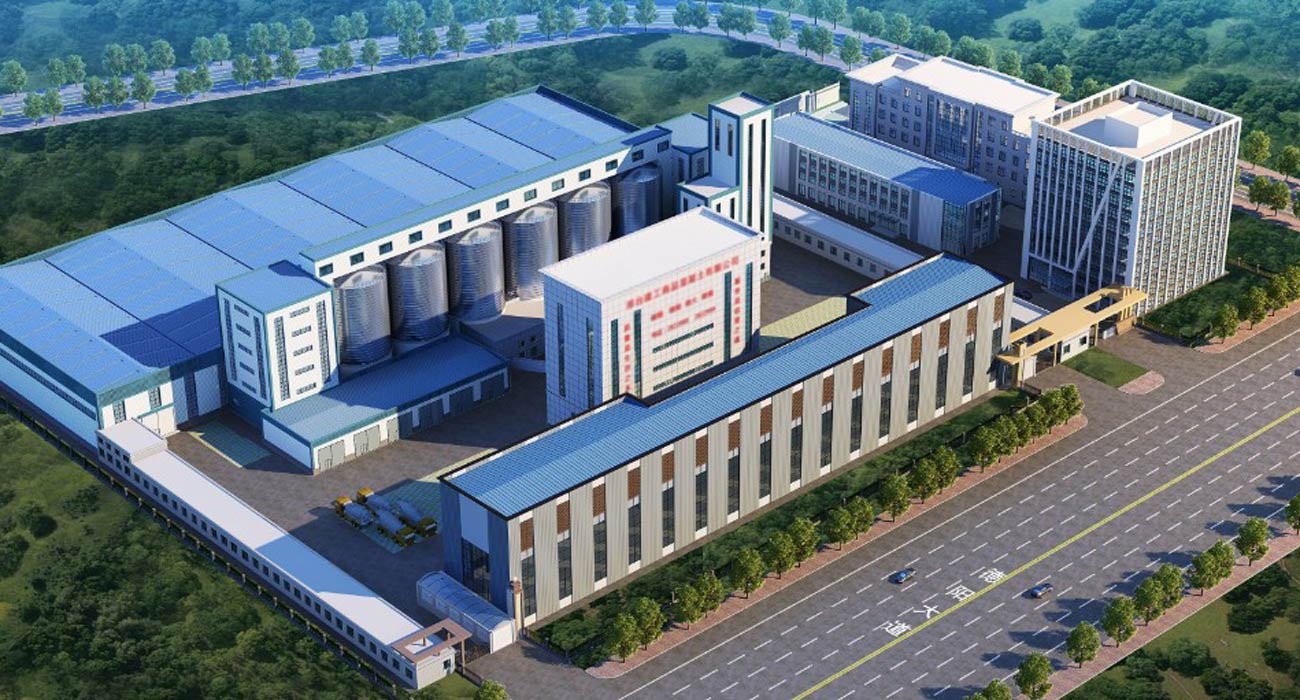
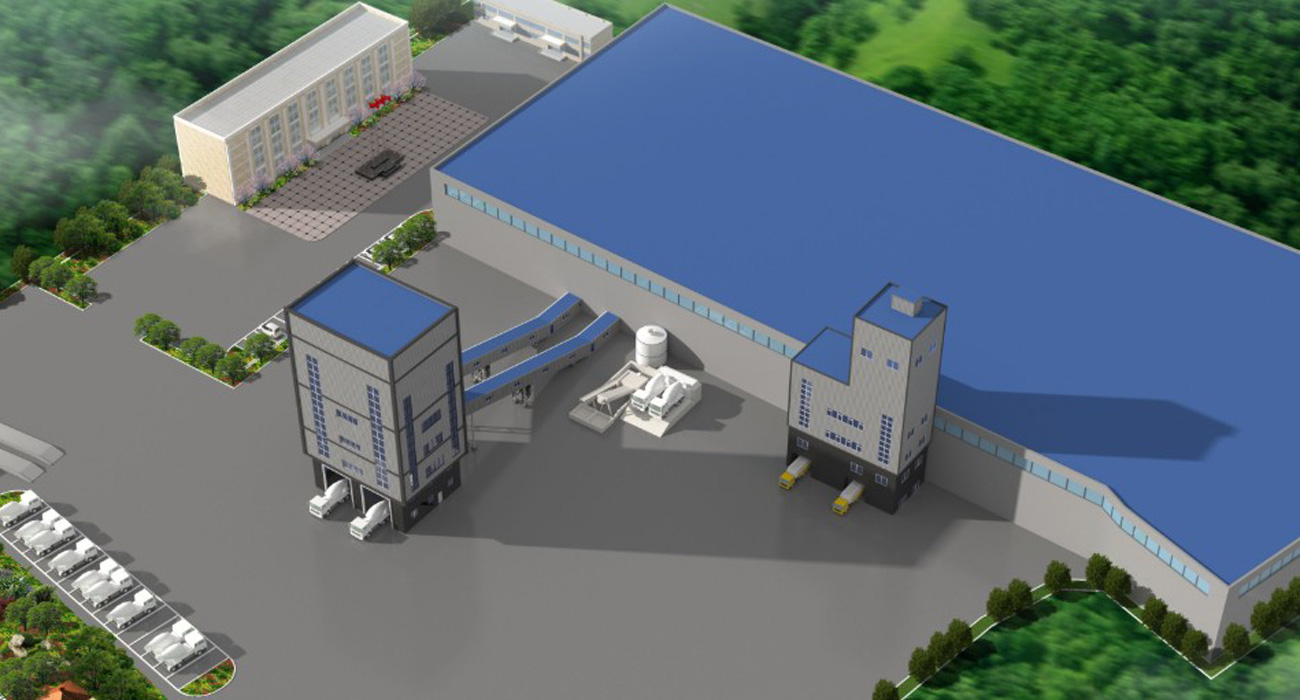
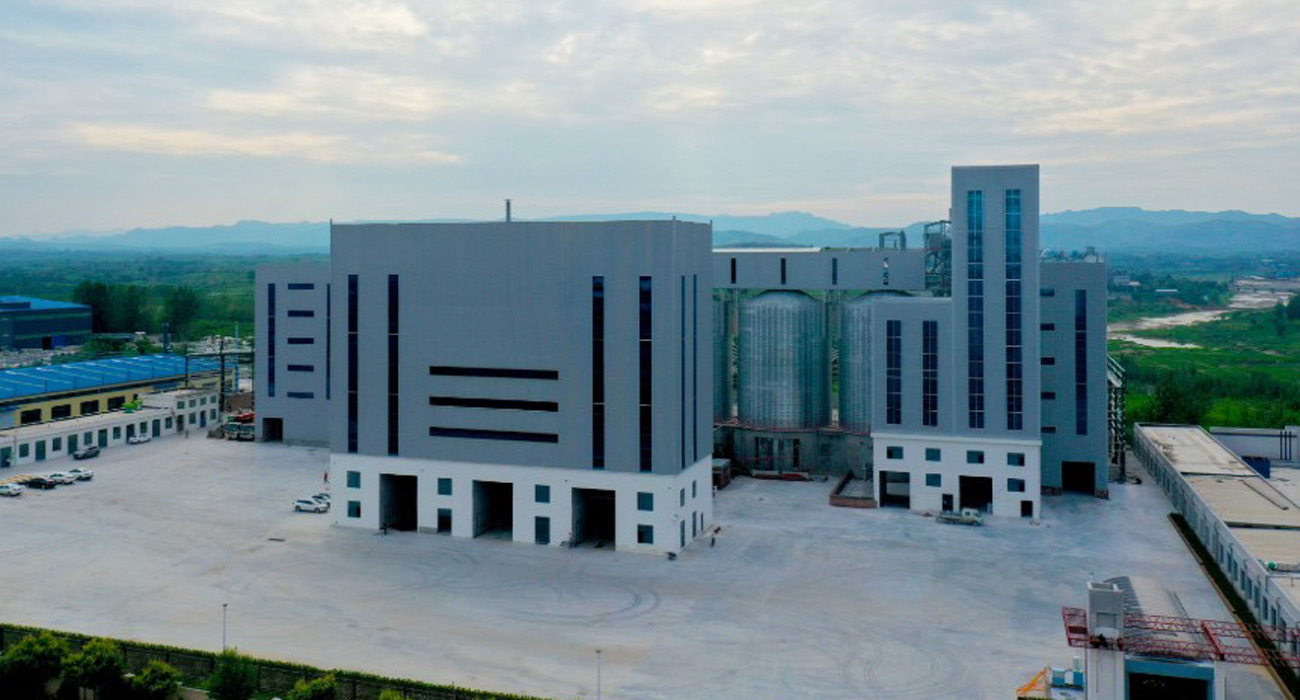
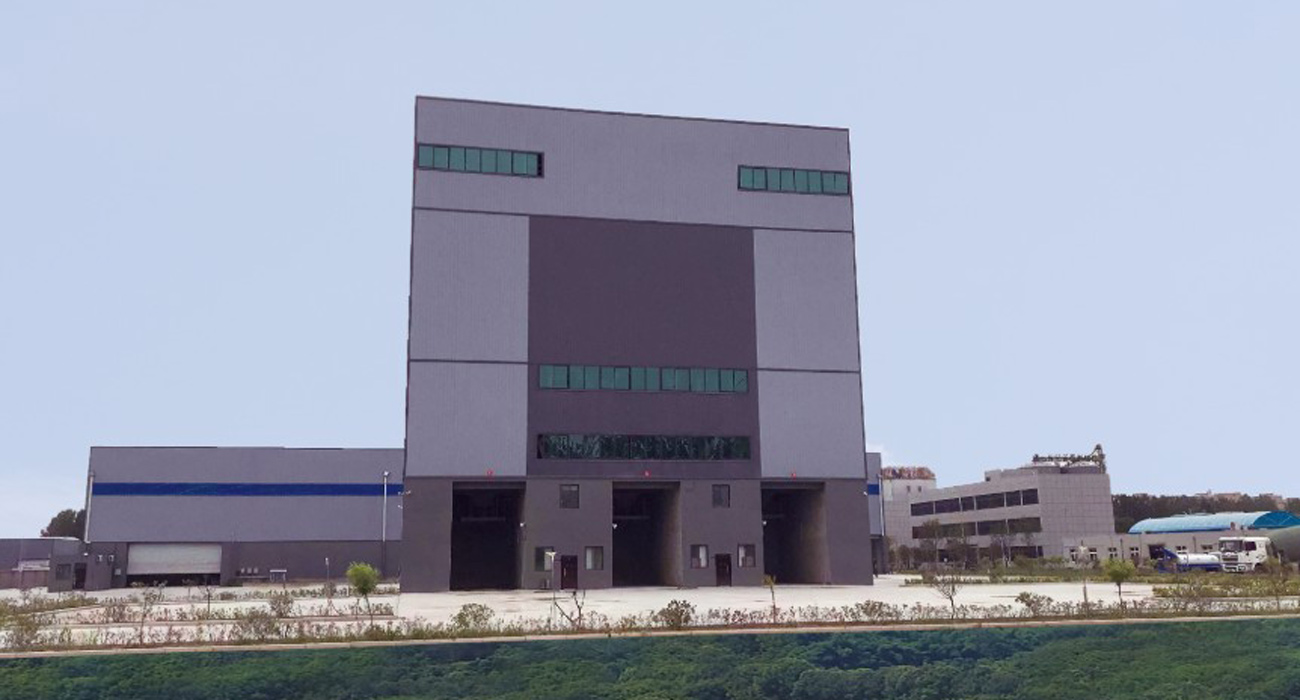
AJ Series Eco-Friendly New Concrete Batching Plant
The equipment features a high-strength, integrated frame structure with a compact yet clearly organized layout. This design not only enhances the operational reliability of the entire unit but also creates a neater, more uniform on-site appearance, facilitating subsequent maintenance, operation, and system integration.
Through a fully enclosed system design, the equipment physically encapsulates critical stages—including aggregate conveying, weighing, and mixing. This effectively minimizes dust emissions and operational noise while simultaneously improving the overall working environment, thereby ensuring that the production process fully complies with modern engineering standards for clean and orderly site management.
The AJ series prioritizes resource recycling and process control optimization. Through intelligent conveying and recovery system designs, it minimizes unnecessary material loss and reduces the burden of waste discharge, making the production process more stable and controllable while facilitating compliance with green construction management standards.
The equipment employs high-efficiency drive configurations and energy-saving motor systems. While guaranteeing sustained high-output capacity, these systems simultaneously reduce long-term operational energy consumption, ensuring that the equipment maintains excellent economic efficiency and stability even during large-scale, continuous operations.
Overall, the AJ series new concrete batch plant for sale represents far more than a simple aggregation of single-function devices; it is a systematic solution built around the core pillars of stable production, environmental control, and engineering adaptability—designed to effectively meet the diverse and specific needs of projects across various regions and scales.
Full-Cycle Environmental Control in Concrete Plant Operations
In a concrete batching plant, the true determinant of environmental performance is not merely a single dust removal device, but rather whether the entire production chain operates as a closed-loop system. In other words, every single stage—from material intake, weighing, and mixing, to the treatment of wastewater, noise, and emissions—influences the final environmental outcome.
The AJ series stationary batching plant was designed with precisely this concept of process control at its core. Through the following key modules, you can observe how we have successfully translated environmental requirements into tangible, real-world operational practices.
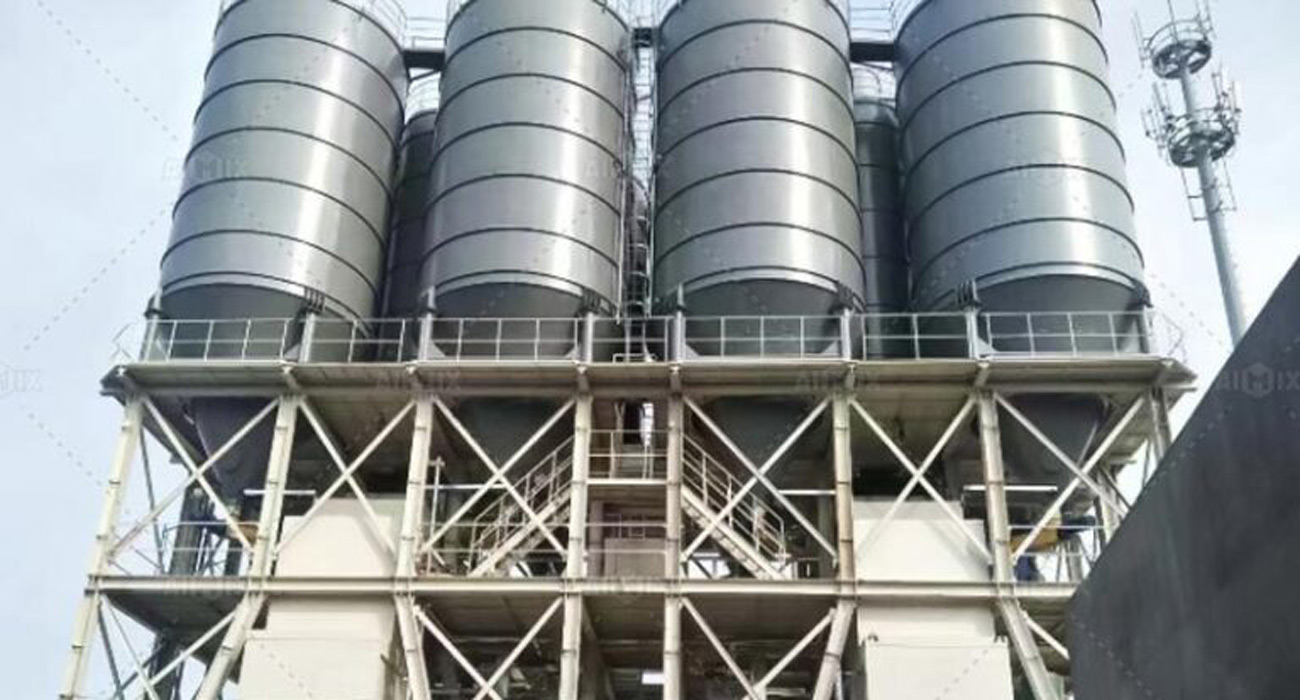
01Powder System
02Aggregate System
03Wastewater System
04Noise Control System
05Energy Consumption System
Powder System: Closed-Loop Dust Control from Feeding to Discharge
- Key Environmental Impacts: Powdered materials are most prone to generating airborne dust during the processes of feeding, weighing, and discharging. Without systematic control, this not only negatively impacts the surrounding environment but also leads to raw material waste and the accumulation of on-site contamination.
- AIMIX Design Features: We employ a comprehensive dust removal and collection design that integrates the entire process—from powder feeding, weighing, and conveying to discharging—into a negative-pressure or fully enclosed control system. This is coupled with centralized dust collection units to achieve unified dust recovery and reuse, thereby minimizing fugitive emissions while simultaneously reducing material loss.
Aggregate System: Enclosed Conveying to Minimize Open-Air Dust Generation
- Key Environmental Impacts: During the storage and conveying of aggregates, open-structure systems are susceptible to wind effects, leading to persistent dust generation. This constitutes a critical focal point for environmental management on the job site.
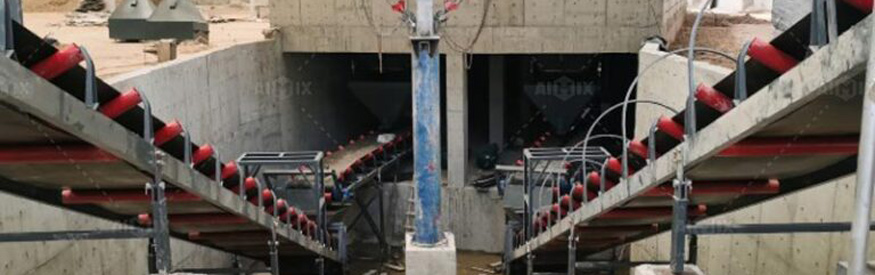
- AIMIX Design Features: We implement a fully enclosed design for the aggregate conveying system; structures ranging from storage bins to conveyor belts and feed inlets utilize enclosed or semi-enclosed configurations. This is complemented by the strategic placement of dust extraction nodes, ensuring that dust is captured and controlled at the very moment of its generation, thereby preventing its diffusion beyond the immediate operational zone.
Wastewater System: Recycling to Replace Direct Discharge
- Key Environmental Impacts: Wastewater generated during concrete production contains cement slurry and fine aggregate particles. If discharged directly, it not only pollutes the environment but may also result in violations of local environmental discharge regulations.
- AIMIX Design Features: We integrate a wastewater recovery and recycling system that centrally collects wash-down water from mixer trucks as well as general production wastewater. After undergoing sedimentation and separation treatments, this water is recycled back into the production or cleaning processes, establishing a closed-loop internal cycle that significantly reduces the need for external discharge.
Noise Control System: Reducing Transmission Paths Through Structural Design
- Key Environmental Impacts: Noise at a concrete mixing plant primarily originates from the operation of the main mixer, the impact of falling materials, and equipment transmission mechanisms. Without proper control, this noise can exert a persistent and adverse impact on the surrounding environment.
- AIMIX Design Features: Through a comprehensive equipment enclosure design, we isolate key noise sources at the structural level. Simultaneously, we optimize equipment layout and transmission mechanisms to shorten noise transmission paths, ensuring that noise levels at the plant boundary remain within a manageable range—making this solution ideal for projects located in urban areas or environmentally sensitive zones.
Energy Consumption System: Reducing Operational Burden Through Electronic Control Optimization
- Key Environmental Impacts: Energy consumption not only impacts operating costs but also indirectly reflects equipment operational efficiency, serving as a critical component within modern environmental assessment frameworks.
- AIMIX Design Features: We employ variable-frequency control and energy-efficient drive systems to dynamically adjust operating parameters based on actual load conditions. This approach minimizes wasteful energy consumption and mitigates startup surges, thereby ensuring that the equipment maintains consistently stable energy efficiency performance over the long term.
When viewed collectively, the environmental control measures within the AJ series are, in fact, integrated throughout the entire operational life cycle of your project. From material feeding to final discharge, no step is treated in isolation; rather, each stage is interconnected, working in concert with the others.
The sole purpose of all our environmental treatment processes is to ensure the smoother operation of your project. By proactively distributing and addressing various environmental risks across the system’s different stages, we ensure that the overall operation remains highly stable and eminently manageable.
More Than Equipment: Compliance Steps for Smoother Projects
Having an eco-friendly concrete batching plant alone isn’t enough. During government approval and on-site implementation, there are several critical concrete batching plant environmental permit that directly impact the concrete batching plant business plan’s progress and smooth execution. Mastering these steps is like having an extra pass in your pocket, ensuring your project moves from preparation to completion more smoothly.
Environmental Impact Assessment
An environmental impact assessment is the foundation for the lawful commencement of a project. It provides regulatory authorities with a clear understanding of the environmental impacts during construction, thereby reducing resistance to approval.
Specific Steps:
- Prepare a comprehensive EIA report in advance, covering all relevant indicators such as noise, dust, and wastewater.
- Communicate with the local environmental protection bureau to confirm the latest approval procedures and standards, avoiding repeated revisions caused by incomplete submissions.
- Design construction measures based on the EIA results—such as dust suppression spraying and wastewater collection—to establish a closed-loop management plan.
On-Site Environmental Protection Measures
Even if the equipment is environmentally friendly, the project may still be deemed non-compliant if on-site construction lacks control measures, which could affect approval and acceptance.
Specific Actions:
- Set up infrastructure at the construction site for dust control, wastewater collection, and construction waste management.
- Install temporary misting systems to minimize dust and odors during construction.
- Record the daily implementation of environmental protection measures to facilitate acceptance inspections and unannounced inspections.
Noise Control and Traffic Management
The impact of noise and construction vehicles on the surrounding environment is a key focus during the approval process; effective control can reduce complaints and resistance to approval.
Specific Actions:
- Select low-noise mixers or construction machinery, and install soundproofing facilities during nighttime construction.
- Establish routes and schedules for construction vehicle access to avoid peak residential hours.
- Regularly monitor construction noise levels and archive the data for future reference.
Materials and Emissions Management
The use of eco-friendly materials and compliance with emission standards not only meet regulatory requirements but also demonstrate the project’s commitment to green construction.
Specific Actions:
- Use low-emission concrete or eco-friendly additives, and record the source and quantity of each batch of materials.
- Conduct regular monitoring of wastewater and dust emissions, and retain the monitoring reports.
- Sort and manage construction waste, ensuring timely removal or recycling.
Documentation and Filing Preparation
Comprehensive documentation enables approval authorities to quickly assess project compliance, avoids repeated requests for additional materials, and facilitates smooth project progress.
Specific Actions:
- Establish complete records for construction, environmental impact assessments, and environmental protection measures.
- Prepare materials such as construction permits, environmental impact assessment filings, and environmental acceptance applications in advance.
- Regularly update filing information to ensure project documentation remains complete at all times.
Ongoing Communication and Interdepartmental Collaboration
Maintaining communication with regulatory authorities allows for early identification of issues, reduces unexpected obstacles, and accelerates project progress.
Specific Actions:
- Regularly report on construction progress and environmental compliance to the competent authorities.
- Designate a dedicated liaison to coordinate with regulatory authorities, providing timely feedback and adjusting measures as needed.
- Participate in environmental awareness sessions or on-site inspections to demonstrate the project’s commitment to green construction practices.
At this point, we have outlined several key areas to focus on during government approvals and project implementation, in addition to new concrete plant environmental compliance. Measures such as environmental impact assessments, noise control, materials management, and record-keeping can all provide strong support for the smooth progress of your project. By mastering these steps, your project implementation will become clearer and more organized, laying a solid foundation for environmental compliance at the construction site.
How to Build an Environmentally Friendly Concrete Batching Plant
In the previous sections, we discussed the environmental characteristics of new concrete plant selection, suitability for specific applications, and key measures that can be taken during government approvals and on-site management. Next, we will integrate these elements into a comprehensive construction approach: from planning to implementation, each step balances efficiency and environmental protection to ensure that the batching plant operates reliably and sustainably over the long term, while complying with all regulatory requirements.
Project Planning and Site Selection
Appropriate site selection is the foundation for the smooth operation of an eco-friendly new concrete plant.
- Analyze the surrounding environment: Avoid residential areas and sensitive zones, and consider the impact of noise, dust, and water flow.
- Determine production scale: Select the appropriate model based on project requirements, balancing production capacity with land area.
- Develop an environmental protection plan: Include dust control, noise management, wastewater discharge solutions, and landscaping measures.
Equipment Procurement and Environmental Configuration
Selecting new concrete batching plant with excellent environmental performance is a core requirement.
- Model selection: Choose the appropriate concrete batching plant model based on project type and production volume requirements.
- Environmental configuration check: Ensure that systems such as dust removal, noise control, and water recycling are fully configured and comply with standards.
- Supplier Support: Select reliable suppliers that provide installation, commissioning, and maintenance services.
Construction and Site Management
The construction phase is not only about installing the equipment but also a critical stage for implementing environmental protection measures. Meticulous construction minimizes environmental impact while laying the foundation for future operations.
- Construction Fencing and Dust Control Measures: Install fencing around the construction site and activate misting systems in key production areas to reduce dust dispersion.
- Noise Management: Schedule construction activities to avoid residents’ rest periods, and implement vibration-dampening measures for operations prone to generating vibrations.
- Wastewater Treatment: Wastewater generated during construction must be collected centrally, treated through sedimentation or recycled, and then discharged.
Operations and Management Systems
Once the new concrete plant is operational, standardized management is essential to ensure long-term environmentally sound operations.
- Operating Procedures: Establish detailed operating procedures to minimize environmental risks caused by operational errors.
- Regular Inspections: Conduct periodic inspections, archive the results, and promptly address any anomalies.
- Training and Assessment: Provide environmental awareness and skills training to operators to ensure compliance with environmental requirements.
Cooperation with Government Approval and Filing
Actively cooperating with environmental protection authorities ensures the project passes approvals smoothly and minimizes future obstacles.
- EIA Submission: Prepare EIA materials in advance, complete the EIA submission and environmental filing, and ensure a smooth approval process.
- Environmental Filing: Regularly record and file emission data to facilitate future regulatory inspections.
- Regulatory Cooperation: Regularly submit operational data to the competent authorities to demonstrate environmental compliance and promptly address on-site issues.
Establishing an eco-friendly new concrete plant is not only a commitment to environmental responsibility but also a guarantee of construction efficiency and long-term operational sustainability. From site planning to equipment installation and construction management, through to operational protocols and coordination with government authorities, every step is critical.
AIMIX not only provides high-performance, environmentally compliant mixing equipment but also offers comprehensive support throughout project planning, installation, commissioning, and ongoing operations management, ensuring that concrete batching plant environmental permit are met at every stage. Choosing AIMIX means that while pursuing efficient production, you can also easily meet environmental regulations and approval requirements, ensuring the smooth progress of your project.
FAQs
What is the difference between an eco-friendly new concrete plant and a conventional one?
What aspects should be considered when operating an eco-friendly modular concrete batch plant in urban or residential areas?
What government approvals are required to build an eco-friendly concrete batching plant?
How can we ensure the batching plant remains environmentally friendly during operation?
Which model of eco-friendly batching plant should be selected for projects of different scales?
How long does it take to install a concrete batching plant?
How can we control operating costs while maintaining environmental standards?
Is an eco-friendly concrete batching plant a suitable long-term investment?
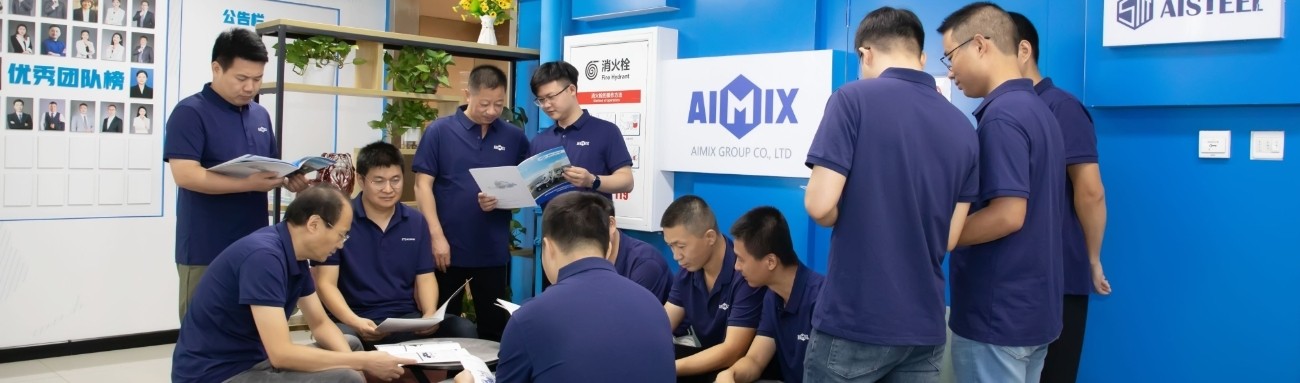
Selecting the right eco-friendly new concrete plant is just the first step toward a smooth project rollout; having a trusted partner is even more critical. As a professional concrete batching plant supplier, AIMIX brings years of industry experience and a wealth of project case studies to the table. Whether it’s equipment selection, installation and commissioning, or optimizing environmental solutions, we provide end-to-end support.
With high-performance equipment and attentive service, AIMIX helps ensure every project is completed efficiently and sustainably, making the entire process—from planning to implementation—easier and more reassuring for you.