
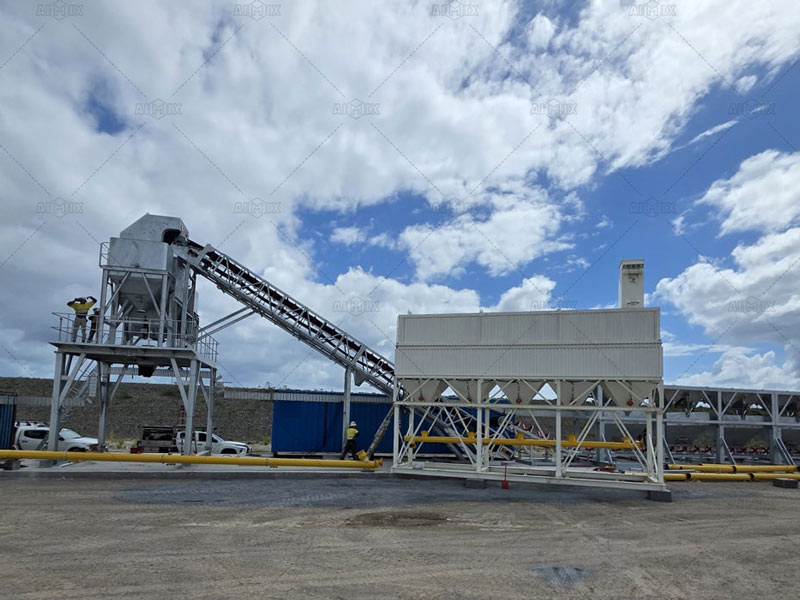
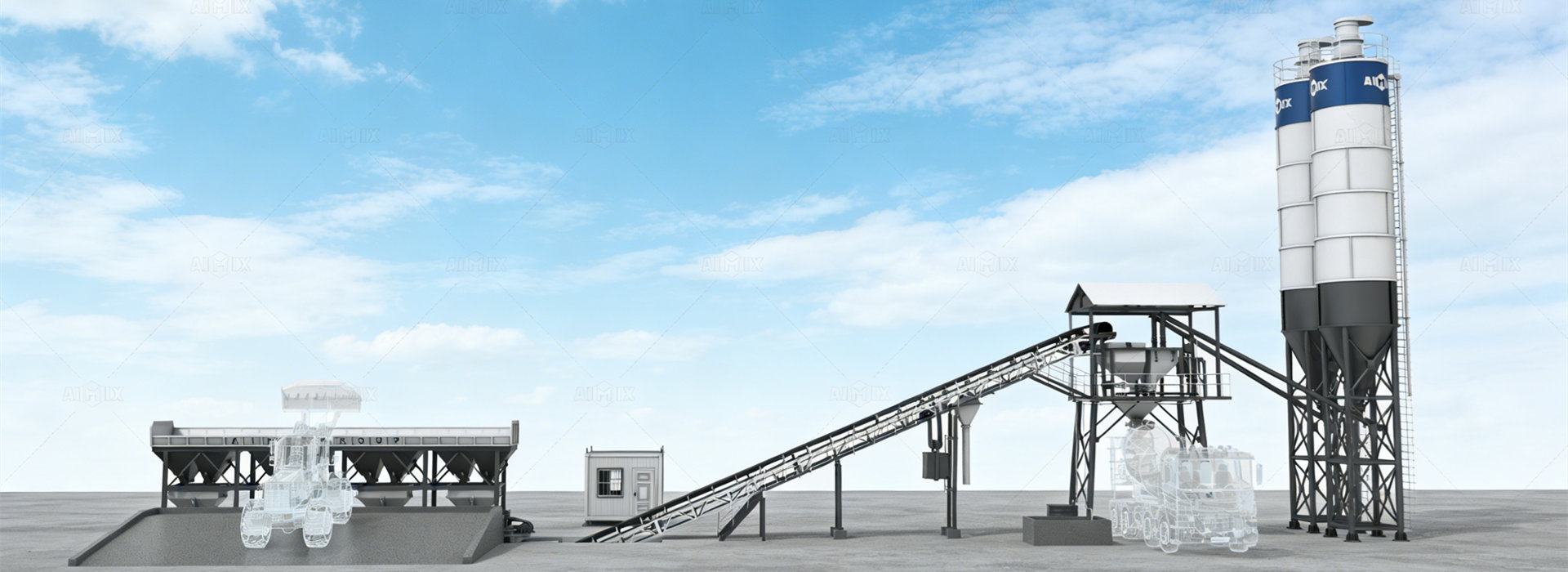
A dry mix concrete batching plant is a highly efficient, reliable, and cost-effective solution for producing consistent quality concrete for construction projects of all sizes. This type of plant combines, meters, and discharges raw materials in a dry state before adding water and mixing occurs on-site, making it extremely flexible, easy to operate, and suitable for a wide range of working conditions. Designed for durability and high performance, modern dry mix concrete plants deliver stable output, lower energy consumption, and simplified maintenance, helping contractors and business owners reduce operational costs while improving project efficiency.
Key Advantages of Dry Mix Concrete Batching Plant: How It Boosts Your Project & Profits
When you invest in a dry mix concrete batching plant, you’re not just buying equipment—you’re investing in smoother operations, lower costs, and higher profitability. Below are the core advantages, each tied directly to the value you care about most as a contractor, project manager, or business owner:
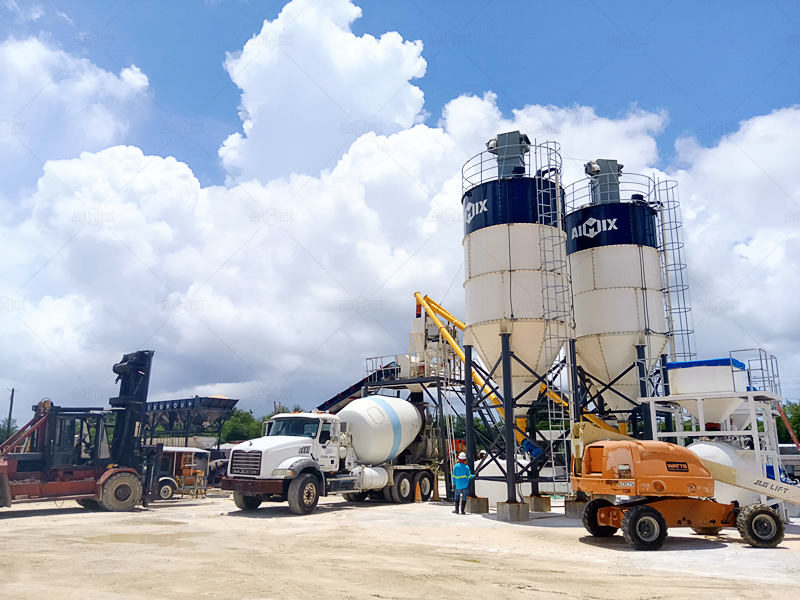
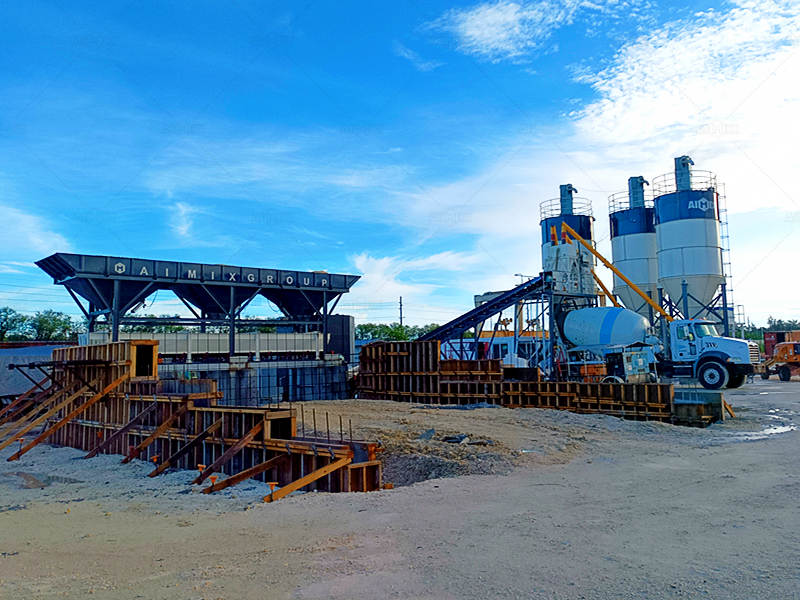
Lower Operational Costs, Higher Profit Margins
Dry mix concrete batching plants eliminate the need for large water storage tanks and complex wet mixing systems, which means lower upfront installation costs and reduced energy consumption. Unlike wet mix plants that require constant water circulation and maintenance of wet components (which are prone to corrosion), dry mix plants have simpler structures with fewer wear-and-tear parts. This translates to less downtime for repairs, lower maintenance costs over time, and more money saved on utilities—all of which add up to higher profit margins for your projects.
Longer Transport Distance, No Wasted Materials
One of the biggest frustrations with wet mix concrete is its short usable window—wet concrete starts to set and set and harden within a limited time, forcing you to transport it quickly and often resulting in wasted material if delays occur. With a dry mix concrete batching plant, raw materials are dry, so there’s no risk of premature setting. This means you can transport dry mix materials much farther—whether to remote job sites or multiple locations—without worrying about the concrete solidifying mid-transit. You’ll eliminate material waste, expand your service radius, and take on projects that would be impossible with a wet mix plant.
Unmatched Flexibility for Any Job Site
Whether you’re working on a small residential project, a large-scale infrastructure project, or a remote construction site, a dry mix concrete batching plant adapts to your needs. The dry mixing process allows you to adjust concrete ratios on-site quickly, so you can meet the specific requirements of each project without wasting materials. This flexibility also means you can use the plant for multiple project types, maximizing your equipment investment and reducing the need to rent or purchase additional mixing equipment.
Consistent Concrete Quality, Fewer Reworks
As a contractor, nothing eats into profits like rework due to poor concrete quality. Dry mix concrete batching plants use precise metering systems to ensure each batch of concrete has the exact ratio of raw materials (cement, sand, aggregate, additives) every time. This consistency eliminates variations in strength, durability, and workability, reducing the risk of construction defects, delays, and costly reworks. You’ll deliver higher-quality work, build trust with clients, and avoid the headaches of fixing subpar concrete.
Easy to Operate & Maintain, Saving Time & Labor
You don’t need a team of highly skilled technicians to run a dry mix concrete batching plant—most models feature user-friendly control systems that simplify operation, even for less experienced staff. This reduces your labor costs and training time, allowing you to allocate your team to other critical tasks. Additionally, the plant’s simple design means maintenance is straightforward: fewer components to inspect, clean, and replace, so your equipment stays operational longer and requires less time spent on upkeep.
Environmentally Friendly, Reducing Waste & Compliance Risks
Today’s construction industry demands eco-friendly solutions, and dry mix concrete batching plants deliver. Since mixing happens on-site (after raw materials are transported dry), there’s no waste from leftover wet concrete that can’t be reused. The dry process also produces less dust (with proper dust control systems) and uses less water, helping you comply with local environmental regulations and reduce your project’s carbon footprint. This not only keeps you on the right side of the law but also enhances your brand’s reputation as a responsible contractor.
Real-World Success: Dry Mix Concrete Plant Project Cases
Real project results speak louder than words. Our dry mix plants have been deployed across different regions and construction scenarios—from remote islands to urban areas—delivering stable performance, cost savings, and tailored support for every client. Below shows the actual value our dry mix concrete batching plants bring to different projects.
AJG-50 Dry Batching Plant for Guam Precast Company
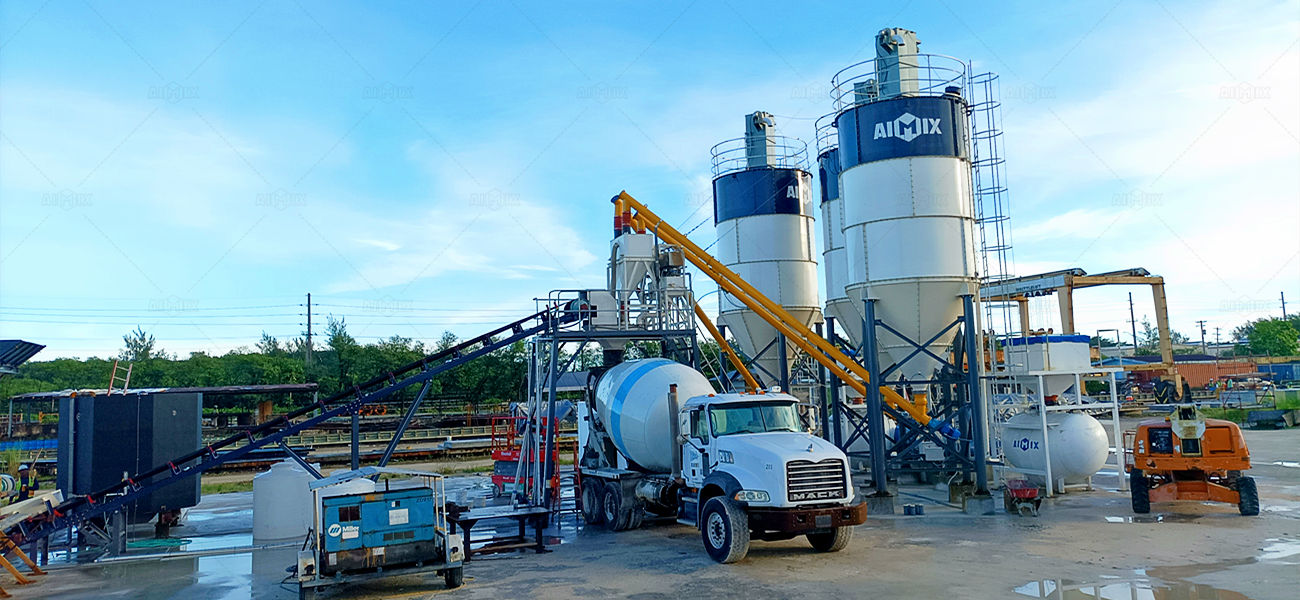
- Delivery & Application: 2025 | Precast concrete production for local construction projects in Guam
- Outcome: The client, a local precast manufacturer, previously faced supply chain delays and high procurement costs from external concrete suppliers. Our AJG-50 dry batching plant solved these pain points, delivering 20% higher production efficiency, consistent precast concrete quality, and on-site technical support to ensure smooth operation from day one.
- Client Feedback: “The plant boosted our competitiveness—we’re now able to bid on larger projects with confidence, thanks to stable production and reliable after-sales support.”
AJYG-25 Dry Mix Concrete Plant for Kiribati
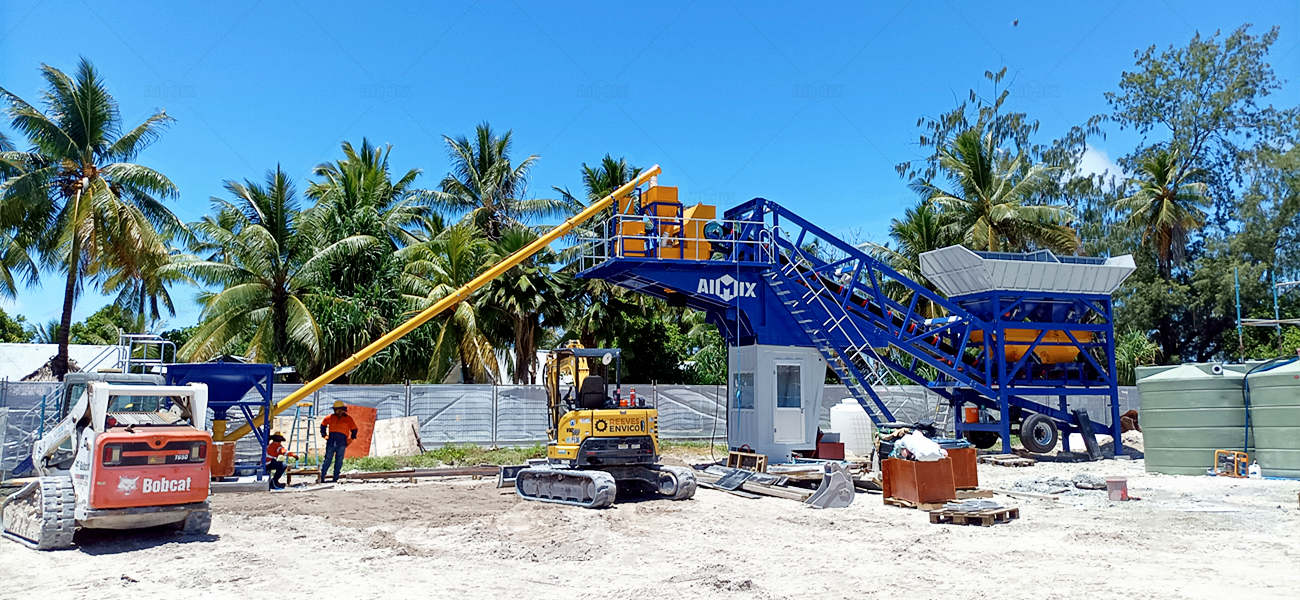
- Delivery & Application: Nov 2023 | Residential house building project in Kiribati, where local construction teams needed simple, cost-effective equipment
- Outcome: Our AJYG-25 dry mix concrete batch plant was perfectly suited for the project’s needs—its easy-to-operate design required minimal training, and its cost-effective operation helped the client control budget while meeting daily concrete demands, ensuring the house building project was delivered on schedule.
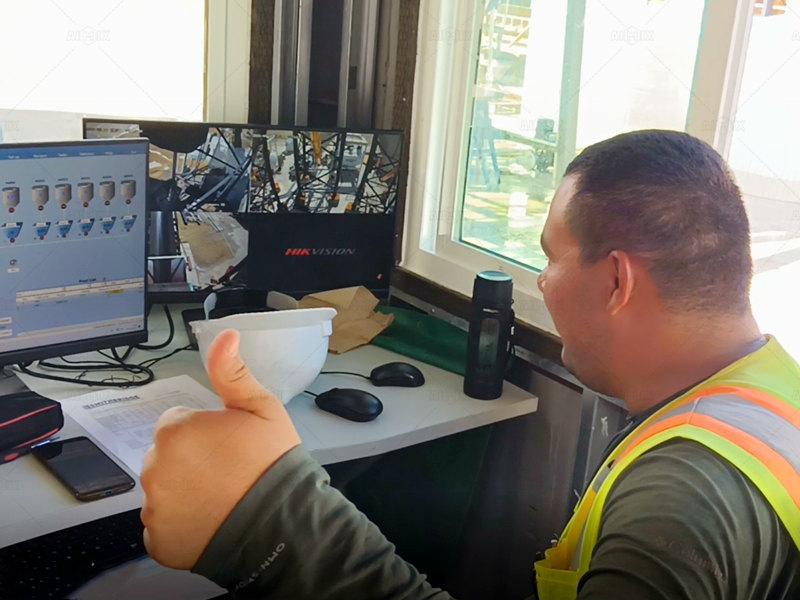
- Client Feedback: “We appreciate Aimix’s profession and timely after-sales service. This dry concrete plant is easy to operate and very cost-effective. We wish to cooperate with Aimix again in the future.”
AJG-35 Dry Mix Batching Plant for Fiji
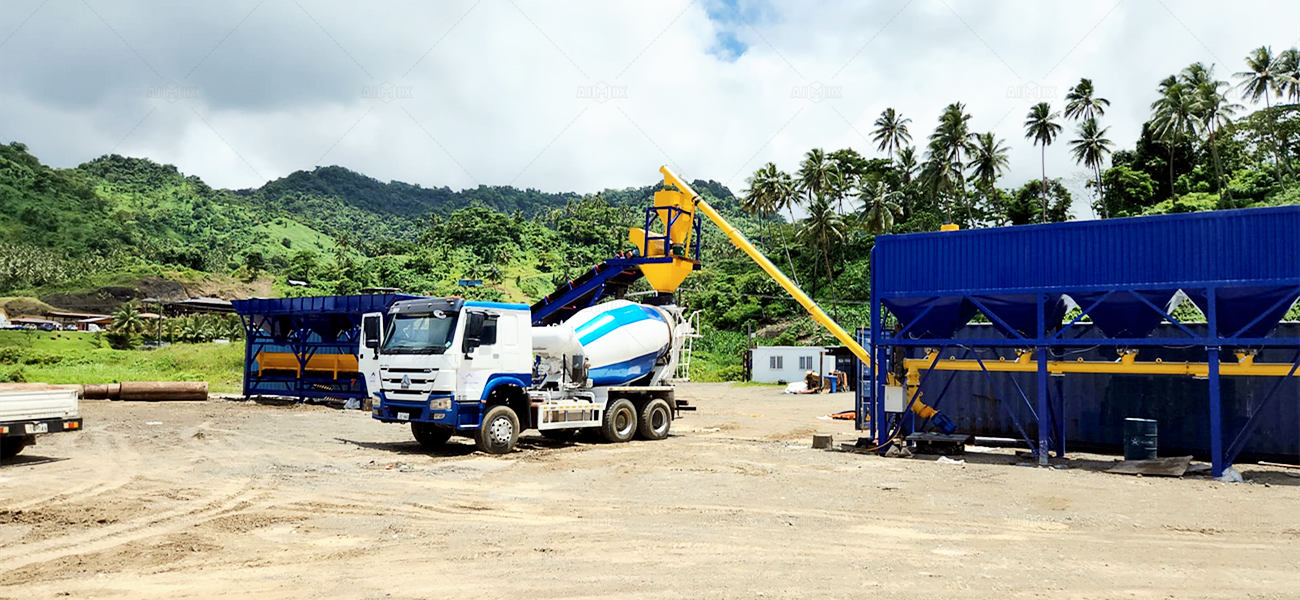
- Delivery & Application: Jan 2024 | Road infrastructure construction in Fiji, where durable, low-maintenance equipment was essential for outdoor work
- Outcome: Our AJG-35 dry mix batching plant maintained continuous and stable operation throughout the road project, with no major faults. Its simplified maintenance design reduced the client’s operational and maintenance costs, while its consistent output fully met the concrete requirements for road laying and repair.
- Client Feedback: “This plant works well, met our needs, and helped us save operational cost. Aimix’s service is good, and the plant’s reliability made our road construction project much smoother.”
How Does a Dry Mix Concrete Batching Plant Work?
The working process of a dry batch plant is simpler than you might think, and its core advantage lies in “dry mixing first, on-site mixing later”—a design that ensures flexibility, quality consistency, and no material waste. Below is a step-by-step breakdown of the entire process, explained in plain language with professional details to help you understand every key link:
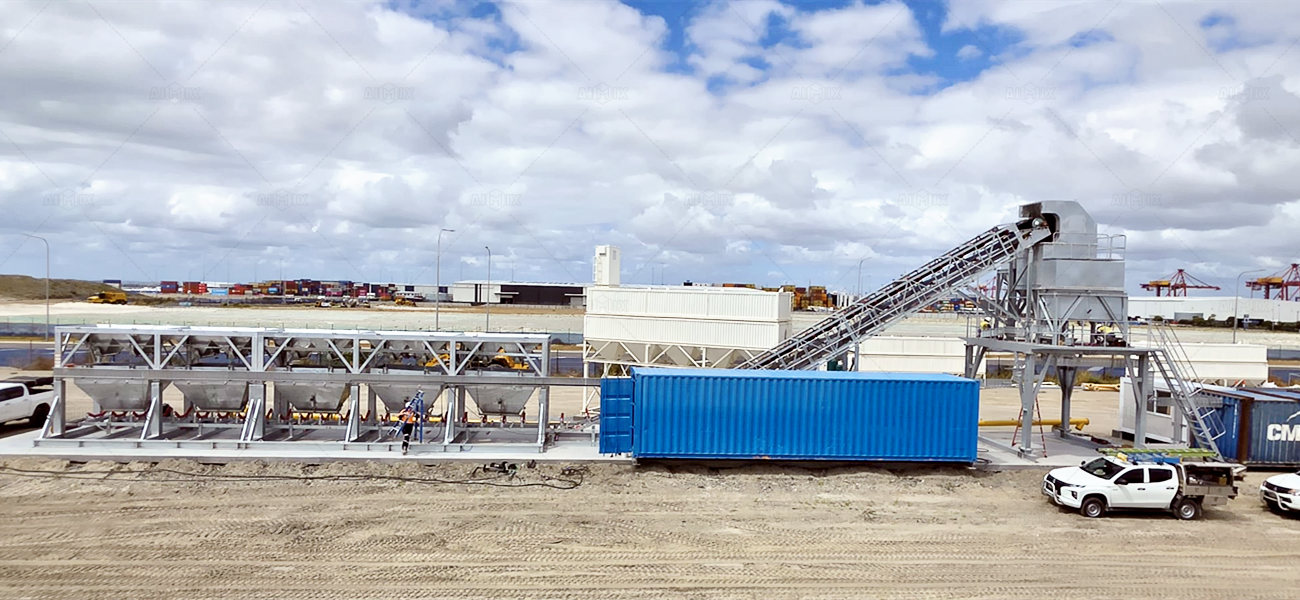
Raw Material Storage & Feeding
First, all raw materials (cement, sand, aggregate, and additives) are stored in separate silos or hoppers—this avoids mixing errors and ensures the purity of each material. The plant is equipped with specialized feeding equipment (such as screw conveyors or belt conveyors) that transports raw materials from the storage area to the batching system. For example, cement is usually transported via a sealed screw conveyor to prevent dust pollution, while sand and aggregate are conveyed by belt conveyors, which are easy to clean and maintain. This step is critical to ensuring the accuracy of subsequent batching.
Precise Metering & Batching
This is the key link to ensuring consistent concrete quality. The dry batch concrete plant is equipped with a high-precision metering system (with an error rate of less than 1%), which measures each raw material according to the preset concrete ratio. Dry mix plants only meter dry raw materials—this avoids the risk of material agglomeration and ensures that the ratio of each batch is accurate. The metering process is fully automated, controlled by a user-friendly control panel, so even inexperienced operators can complete it easily.
Dry Mixing of Raw Materials
After metering, all dry raw materials are transported to the mixing host, where they are fully mixed until they are evenly distributed. The mixing host of a dry mix batching plant is designed for dry materials—with a special mixing blade structure that ensures thorough mixing without sticking to the wall. This step usually takes 1-3 minutes (depending on the batch size and material type), and the mixed dry materials are ready for transport or on-site mixing.
Transport & On-Site Mixing
The mixed dry materials are discharged into a transport vehicle (such as a concrete mixer truck) and transported to the construction site. As we mentioned earlier, dry materials have no risk of premature setting, so they can be transported over long distances. When they reach the job site, water is added to the dry materials according to the required ratio, and the mixer truck continues to stir until the concrete reaches the desired workability. This “on-site water addition” design not only avoids waste but also allows you to adjust the water ratio according to on-site conditions, ensuring the concrete is suitable for different construction scenarios.
Post-Operation Cleaning & Maintenance
After the production is completed, the mixing host, metering system, and conveying equipment need to be cleaned simply—since the materials are dry, there is no residual wet concrete that is difficult to clean. This simplifies daily maintenance, reduces downtime, and extends the service life of the equipment. Most dry mix plants are equipped with automatic cleaning systems, which further saves labor and time for your team.
In short, the working process of a dry concrete batching plant is automated, simple to operate, and highly efficient—designed to save you time, labor, and costs while ensuring stable concrete quality. If you have further questions about any link in the process, we’re always here to provide professional answers.
Application of Mobile Dry Mix Concrete Batching Plant in Remote Area Projects
Remote construction projects—such as rural road construction, island residential building, and high-altitude infrastructure projects—often face unavoidable challenges: long-distance transportation of pre-mixed concrete leads to material waste, difficult site access increases equipment deployment costs, and insufficient on-site water and electricity supply affects construction efficiency. Backed by industry engineering practices and professional equipment design standards, the mobile drymix plant integrates the advantages of dry mix technology and mobility, becoming the most reliable solution for remote area projects. It not only adapts to harsh construction conditions but also brings tangible cost savings and efficiency improvements to contractors and project owners.
Professional Design Adaptability: Conquering Remote Construction Difficulties
The mobile dry mix concrete batching plant is scientifically designed to adapt to remote construction challenges, with the following key features:
Quick Deployment & Transfer: Adopts modular and trailer-mounted design, no complex foundation pouring (unlike fixed plants that take 7-15 days to install). Most models can be installed and commissioned within 1-3 days on a flat, slightly hardened ground, shortening project preparation time.
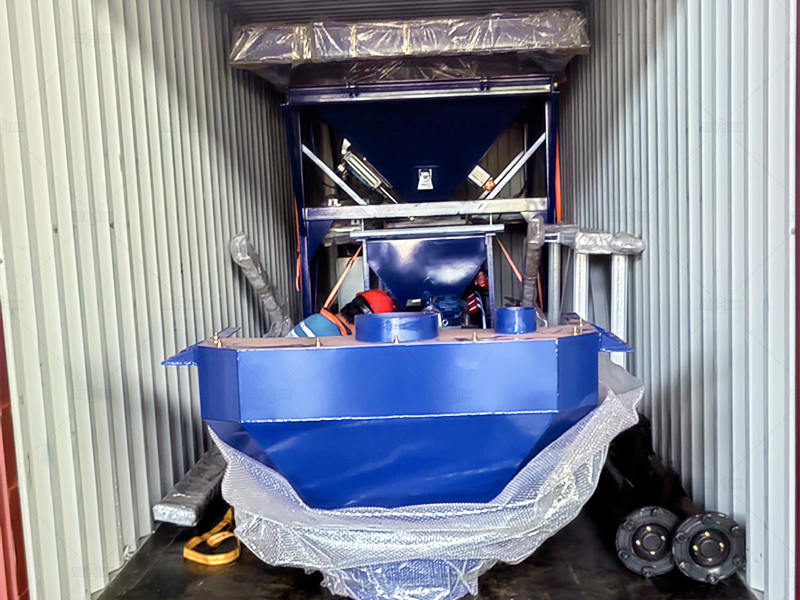
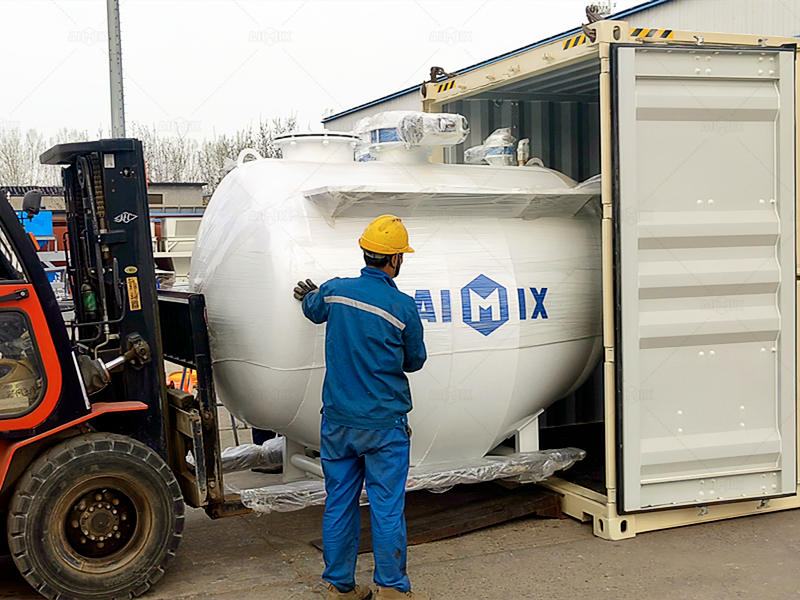
Easy Transportation: All components can be loaded into standard containers or towed directly, suitable for remote areas with narrow roads, uneven terrain, or underdeveloped transportation (mountainous regions, remote islands, rural areas).
Extreme Environment Adaptability: Equipped with customized configurations—dust-proof silos for dusty areas, anti-corrosion components for humid islands, and plateau-adapted motors (stable operation at 3000 meters above sea level), ensuring reliability in harsh conditions.
Typical Application Scenarios in Remote Areas
Dry mobile concrete batching plants have been widely applied in various remote construction scenarios worldwide, with verified practical effects that fully reflect their professional value:
Remote Rural & Mountain Road Construction
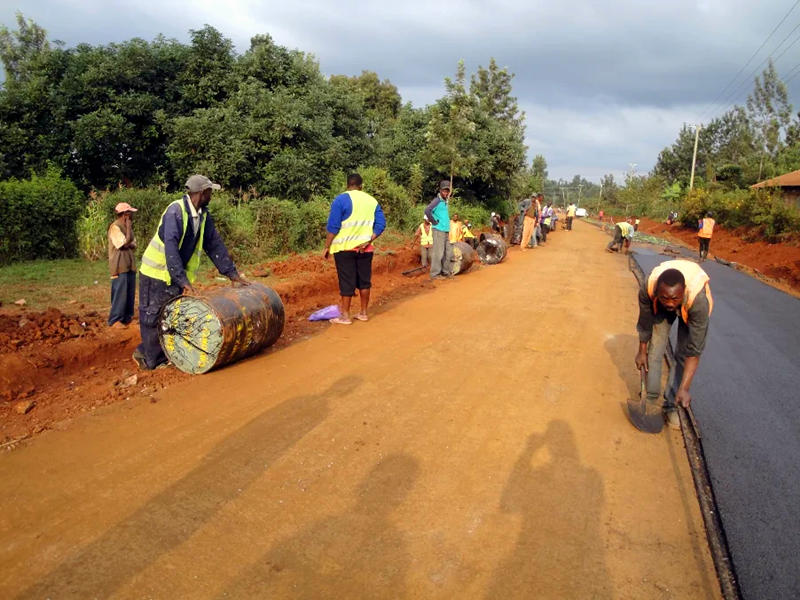
In rural road upgrading projects in Southeast Asia and Africa, dry mobile concrete plants are deployed directly on the construction site. Due to the long distance from urban concrete mixing stations, wet mix concrete is prone to solidification during transportation (usually within 2 hours), resulting in material waste of up to 15-20%. The mobile dry mix plant produces dry mix materials on-site, adds water and stirs at the construction point, completely eliminating transportation waste and ensuring the timeliness of concrete supply. For example, in a rural road project in Tanzania, a mobile dry mix plant reduced transportation costs by 22% and shortened the construction cycle by 18% compared to traditional wet mix transportation methods.
Remote Island Residential & Public Facility Construction
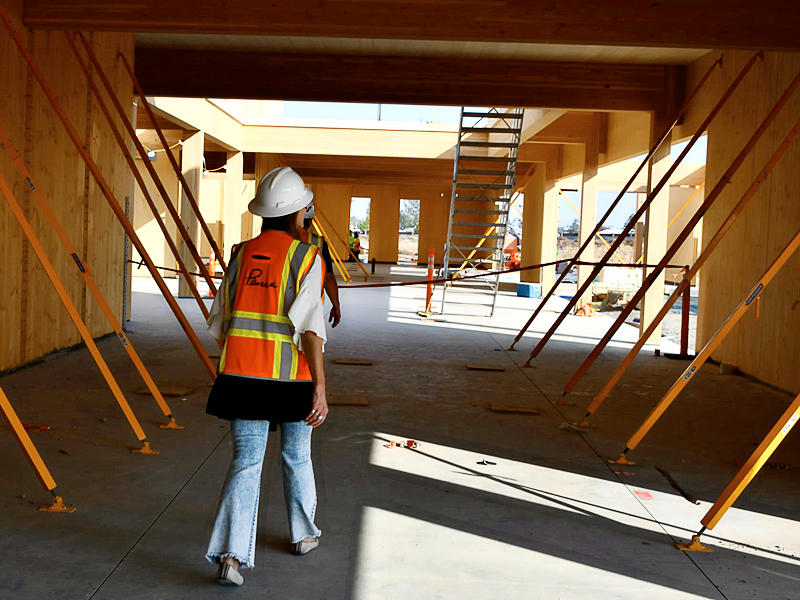
For islands such as Kiribati and Fiji, where sea transportation is the main way to transport goods, the high cost and long cycle of transporting fixed equipment make dry mobile concrete plants the first choice. These plants have a small footprint, do not require complex foundation construction, and can be transported by small cargo ships to the island. They provide stable concrete supply for residential building, school, and hospital construction, and their easy operation and low maintenance requirements adapt to the shortage of professional technicians on remote islands.
High-Altitude Hydropower & Infrastructure Projects
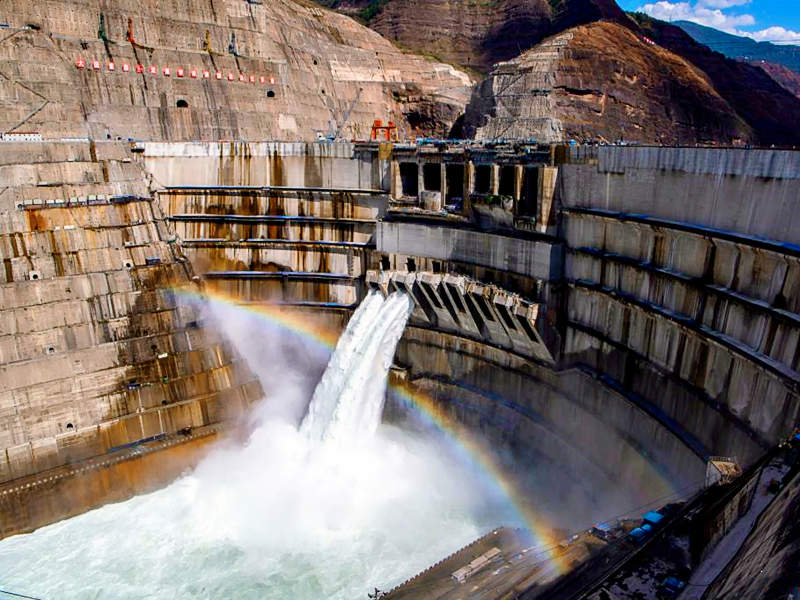
In high-altitude remote areas such as the Qinghai-Tibet Plateau and the Andes Mountains, dry mobile concrete plants are customized with low-temperature resistant components and oxygen-adaptive control systems, which can work normally at temperatures as low as -20℃. They provide high-quality concrete for hydropower station construction, highway tunnel projects, and border post construction, ensuring the strength and durability of the project while complying with local ecological protection requirements (equipped with dust collection systems to reduce environmental impact).
To sum up, the mobile dry mix concrete batching plant is a professional, reliable, and cost-effective solution for remote area projects. It combines mobility, adaptability, and efficiency to solve the core pain points of remote construction, helping you control costs, improve efficiency, and ensure project success no matter how harsh the construction environment is.
How to Calculate the ROI of a Dry Mix Concrete Batching Plant
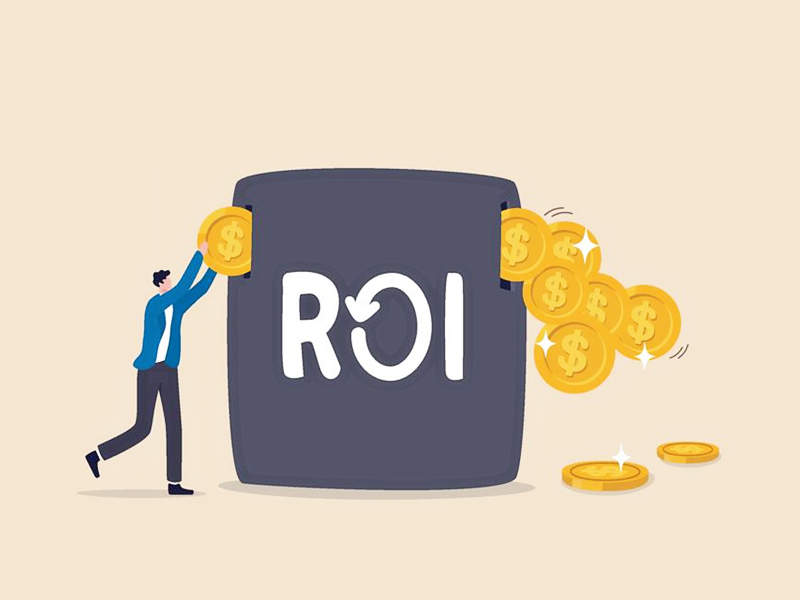
Calculating the ROI of a dry mix concrete batching plant is a key step to evaluate investment value. Below is a concise, key-focused guide.
Core ROI & Payback Period Formulas
Use these industry-standard formulas for quick calculation:
- ROI (%) = (Annual Net Profit ÷ Total Investment Cost) × 100%
- Payback Period (Years) = Total Investment Cost ÷ Annual Net Profit
Note: Higher ROI = more profitable; shorter payback period = faster investment recovery.
Key Calculation Steps
Step 1: Calculate Total Investment Cost
Include all one-time initial costs :
- Equipment purchase cost (core cost, including main plant and auxiliary parts)
- Installation, commissioning and transportation costs
- Other initial costs (e.g., training, temporary infrastructure)
Step 2: Calculate Annual Net Profit
- Core formula: Annual Net Profit = Annual Total Revenue Annual Total Operating Costs
- Annual Total Revenue: Determined by annual concrete output and local concrete unit price
- Annual Total Operating Costs: Mainly include raw material costs, labor costs, energy costs and maintenance costs
Practical Tips for Accurate Calculation
- Use local market data (unit price, labor, raw materials) instead of global averages
- Consider plant utilization rate (especially for seasonal projects)
- Do not ignore hidden costs (e.g., spare parts, permits)
In short, focus on the core formulas and key cost/profit items, and you can quickly get a reliable ROI reference. For customized calculation based on your specific needs, we can provide professional support.
For customized calculation based on your specific needs, we can provide professional support. When choosing concrete mixing equipment, many clients also confuse dry mix and wet mix concrete batching plants. To help you make a clearer choice, we will summarize the key difference between dry and wet batching plant in the form of a table, focusing on the core points that matter most to your project and investment.
Key Differences Between Dry Mix and Wet Mix Concrete Batching Plants
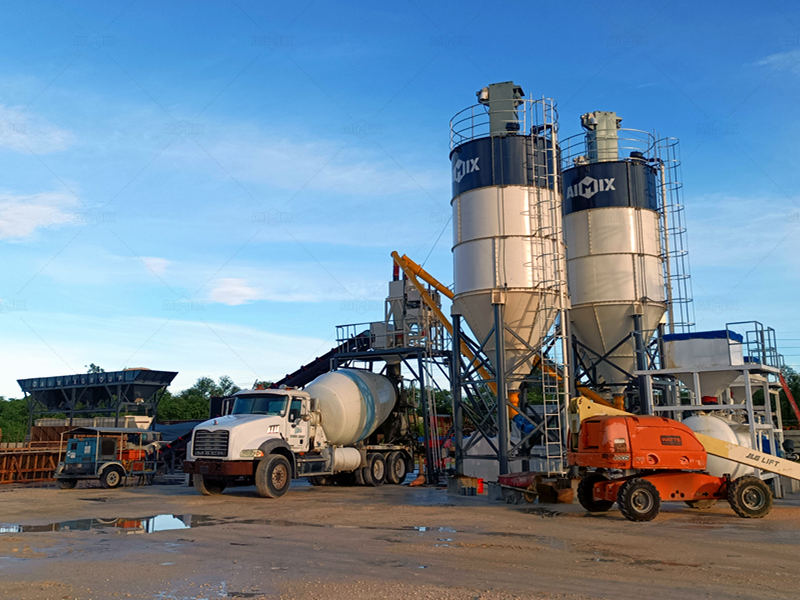
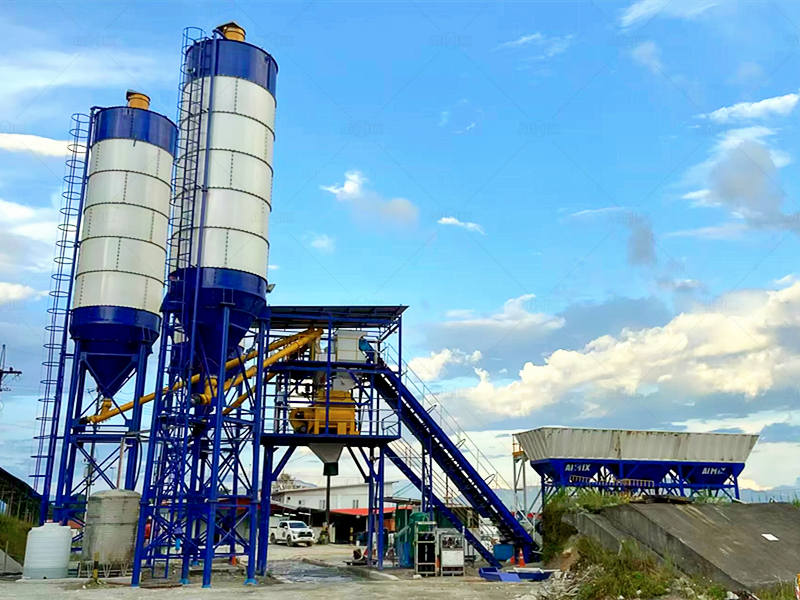
The following table highlights the core differences between dry mix and wet mix concrete batching plants to help you quickly distinguish and choose:
 |
 |
 |
|---|---|---|
| Mixes raw materials in dry state first; adds water and stirs on-site | Core Operation Mode | Mixes all raw materials (including water) completely in the plant; transports ready-mixed concrete |
| Long (dry materials won’t set prematurely); suitable for remote projects | Transport Distance | Short (wet concrete sets in 2-4 hours) |
| Low (on-site water addition avoids waste from premature setting) | Material Waste | A little higher |
| Lower (simpler structure, no large water tanks; low maintenance cost) | Initial & Operational Cost | Higher than dry mix |
| Strong (mobile models available; suitable for remote, harsh environments) | Adaptability | Strong for different batching requirement |
| Remote projects, road construction, island/residential projects, temporary job sites | Application Scenarios | Urban large-scale projects, fixed construction sites with short transport distance |
After understanding the differences between dry mix and wet mix plants, if you decide to invest in a dry mix concrete batching plant, it’s crucial to grasp the key points to choose a high-quality, cost-effective one. Below are the core guidelines for investing in a good dry mix batching plant.
How to Invest in a Good Dry Mix Concrete Batching Plant
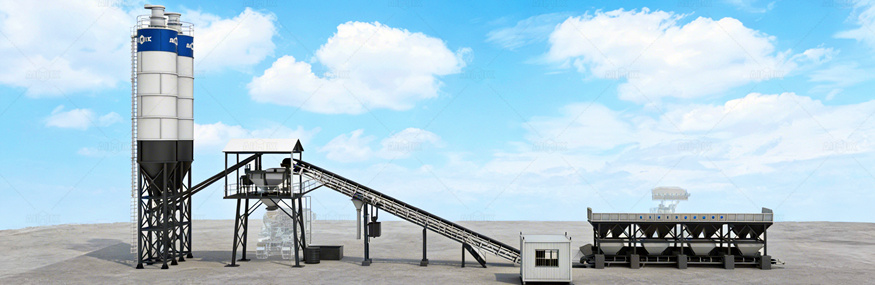
Investing in a dry mix concrete batching plant requires focusing on practicality, reliability, and long-term profitability. Below are the key steps and points to help you make a rational investment:
Clarify Your Project Needs
Determine the plant’s capacity (e.g., 25m³/h, 50m³/h) based on your annual concrete demand and project scale. For remote or temporary projects, prioritize mobile models; for fixed, large-scale projects, choose fixed models. Avoid over-investing in excessive capacity or choosing undersized equipment that cannot meet demand.
Choose a Reliable Manufacturer
Prioritize manufacturers with rich industry experience, complete after-sales service, and local technical support (critical for remote projects). Check the manufacturer’s project cases, product quality certifications, and after-sales guarantee (e.g., on-site installation, maintenance, spare parts supply).
Focus on Core Equipment Quality
Key components directly affect the plant’s stability and service life: choose high-precision metering systems (error rate <1%), wear-resistant mixing hosts, and sealed conveying equipment (to reduce dust pollution). Avoid choosing low-cost, low-quality components that lead to frequent failures and high maintenance costs.
Consider Cost-Effectiveness, Not Just Price
Do not pursue the lowest price blindly. Comprehensive cost includes initial purchase cost, installation cost, operational cost, and maintenance cost. A slightly higher-priced, high-quality plant can reduce long-term operational and maintenance costs, bringing higher ROI.
Pay Attention to After-Sales Service
Reliable after-sales service is essential for continuous operation. Confirm the manufacturer’s after-sales response time, on-site support capability, and spare parts supply cycle—especially for remote projects, timely after-sales support can avoid project delays caused by equipment failures.
Why Choose Aimix for Your Dry Mix Concrete Batching Plant Investment
Customized Equipment for Dry Mix Projects
Global Professional After-Sales Service Network
One-Stop Service & Lifelong Equipment Support
Proven Global Project Success
High-Quality Core Components & Reliable Performance
From equipment R&D and production to after-sales service and project support, Aimix Group has always taken meeting the actual needs of global dry mix concrete projects as the core, and is committed to providing professional, reliable and cost-effective dry mix concrete batching plant solutions for every customer. Whether you are undertaking small-scale residential projects or large-scale infrastructure construction, whether it is a fixed construction site or a remote temporary project, we can be your reliable long-term partner, helping you control costs, improve construction efficiency and achieve higher project profitability with high-quality dry mix equipment and comprehensive services.