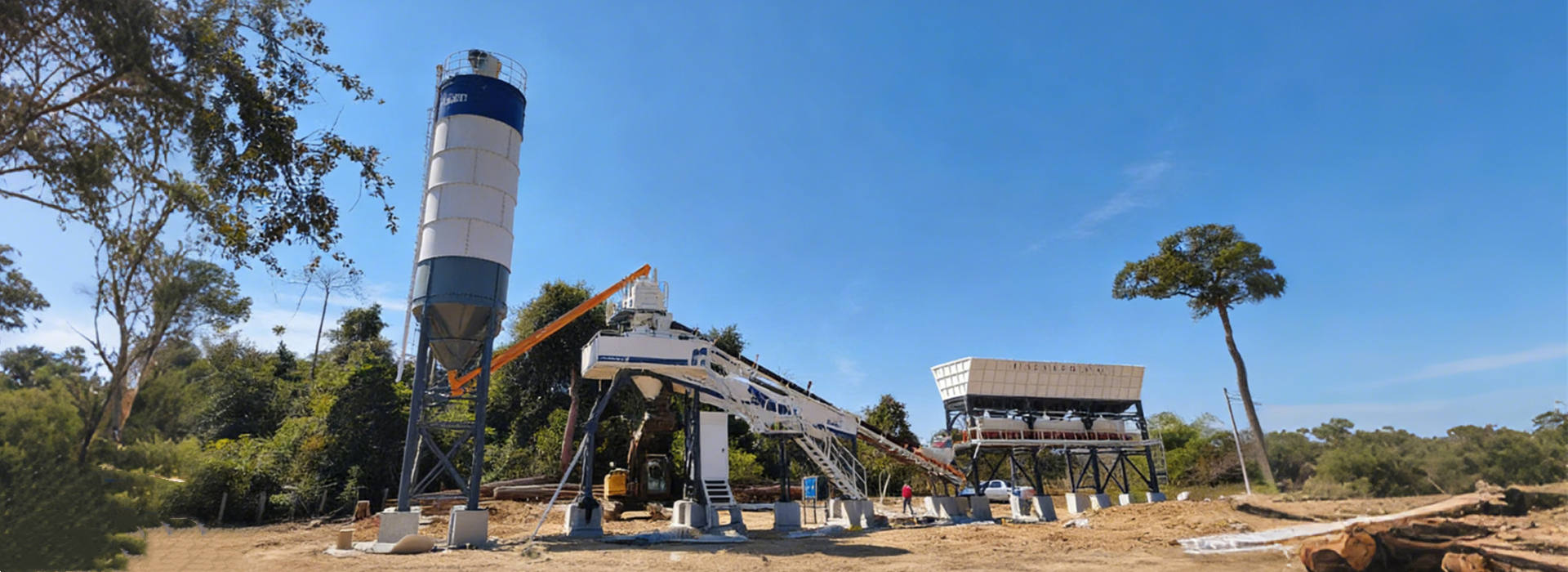
Commercial concrete production is a specialized, industrial process that goes beyond simple mixing of cement, sand, gravel and water. As a core part of the global construction chain, it refers to the standardized, large-scale production, batching and distribution of concrete by professional mixing plants—relying on scientific proportioning, automated equipment and strict quality control—to deliver stable, high-quality concrete to construction sites on time and becoming the mainstream supply mode for urban, infrastructure and industrial construction.
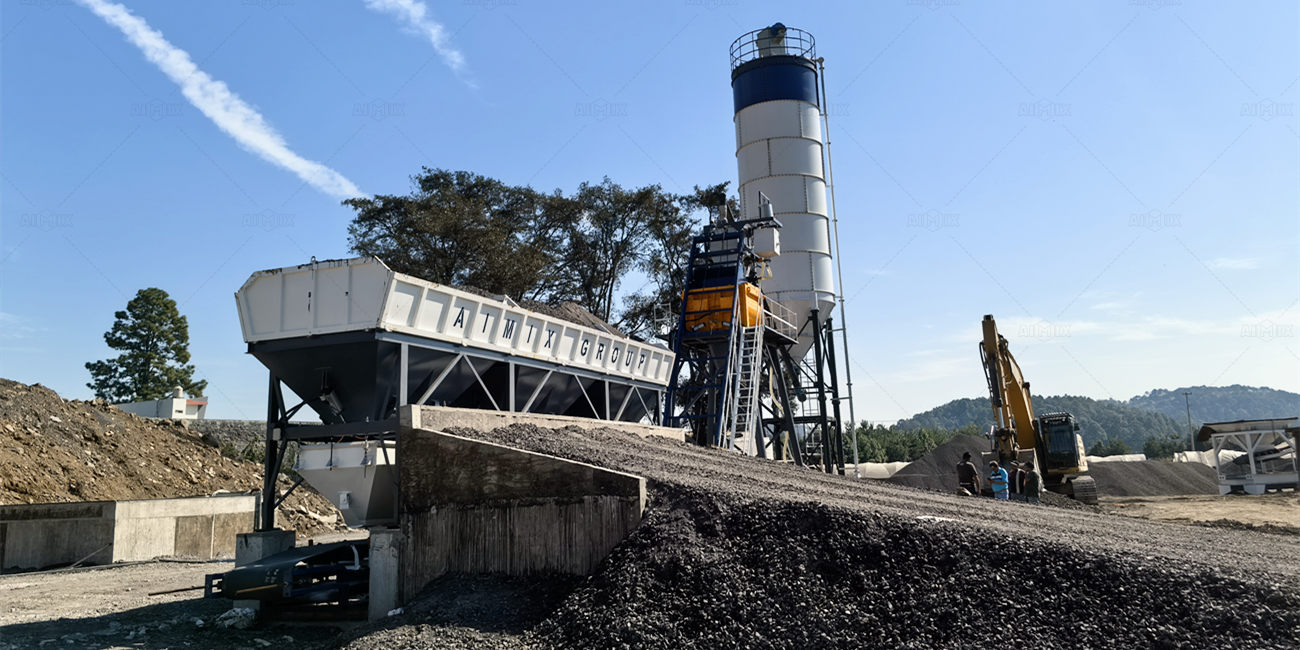
Next, we will help you understand the stable returns and long-term value of the commercial concrete production industry by discussing industry prospects, required equipment, and process flow, thereby contributing to global infrastructure construction.
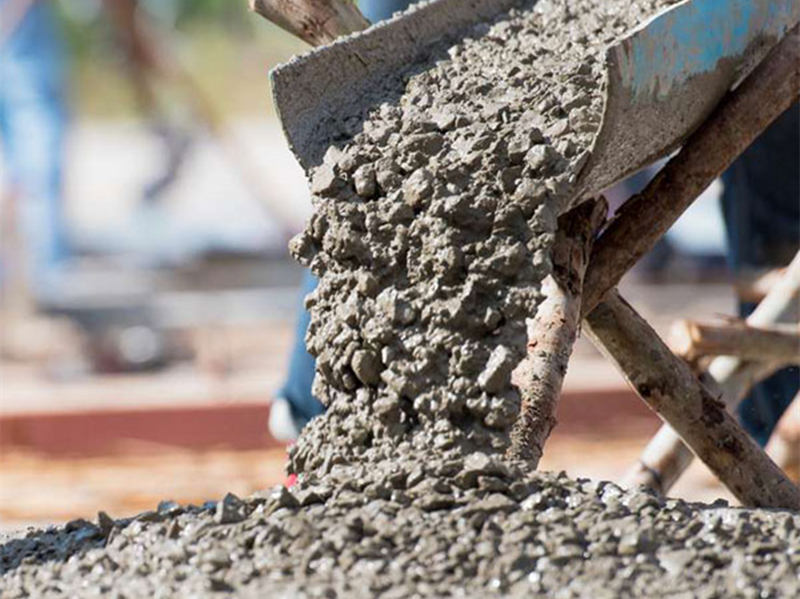
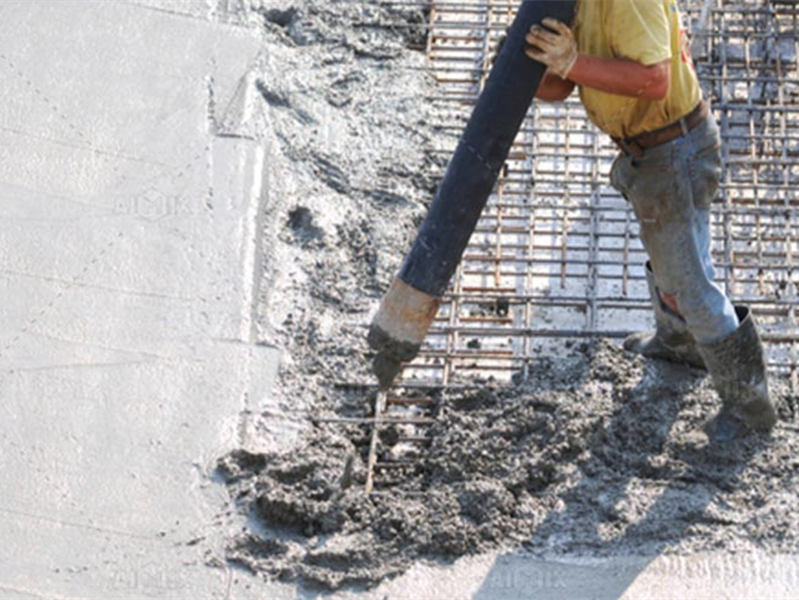
Global Industry Prospects: What Do the Latest Market Data Tell Us?
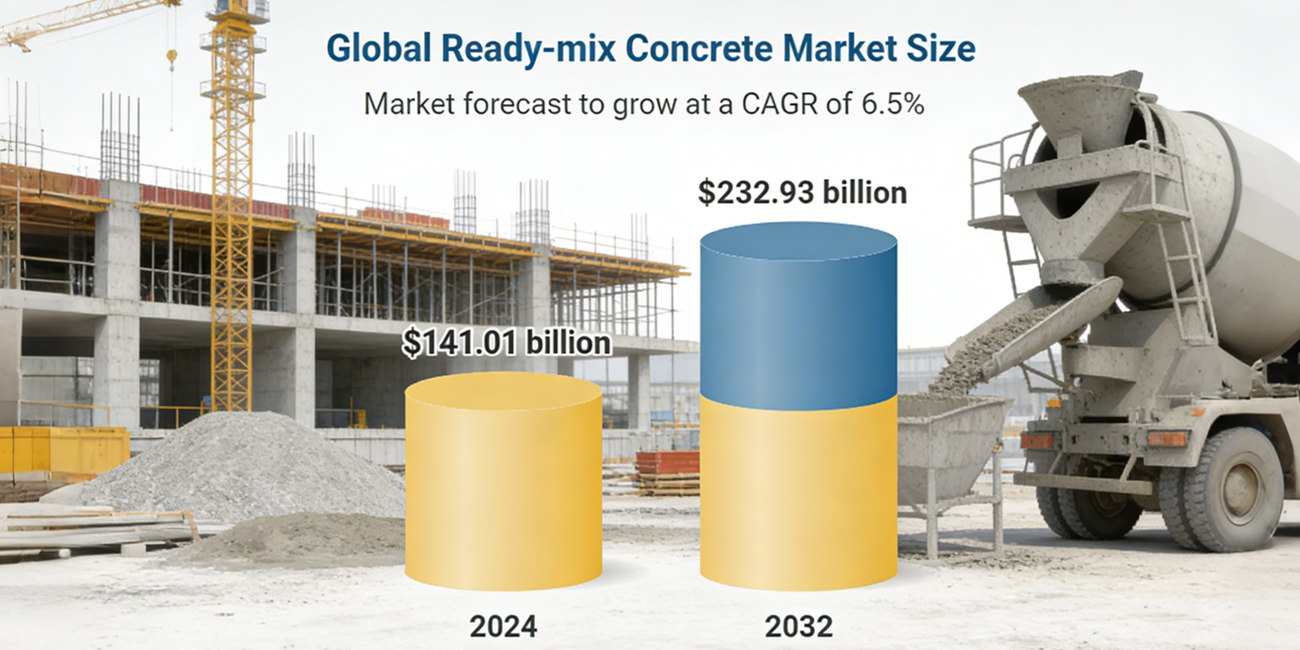
The global commercial concrete market is steadily expanding amid global economic recovery. In 2024, the global commercial concrete production volume reached 5.3 billion cubic meters, and it is projected to grow at a compound annual growth rate (CAGR) of 5.04%, reaching 7.13 billion cubic meters by 2030. Meanwhile, the global ready-mix concrete market size is expected to rise from $141.01 billion in 2024 to $232.93 billion by 2032, with a CAGR of 6.5%, reflecting strong industry vitality.
The fundamental reason for the prosperity and long-term development of the global commercial concrete industry is that commercial concrete has become an indispensable necessity for human and social development. As the core building material for urban construction, infrastructure improvement, and industrial development worldwide, its application penetrates into all aspects of social progress—from high-rises in developed cities to rural infrastructure in emerging regions—driving steady industry progress even during periodic adjustments.
Global Application Fields
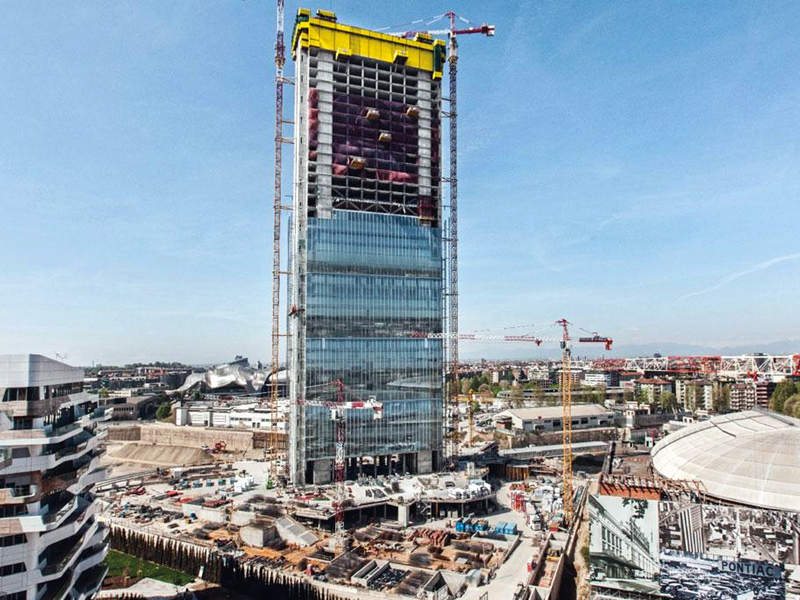
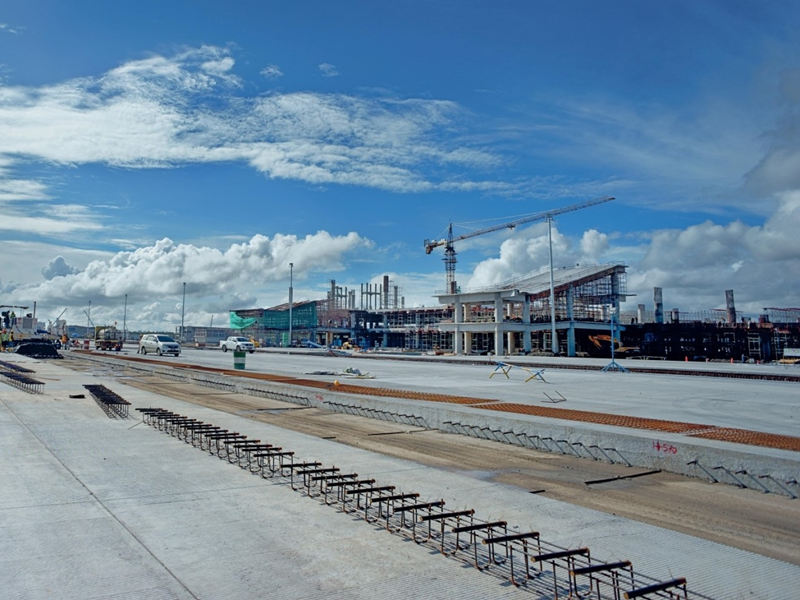
High-rise Buildings
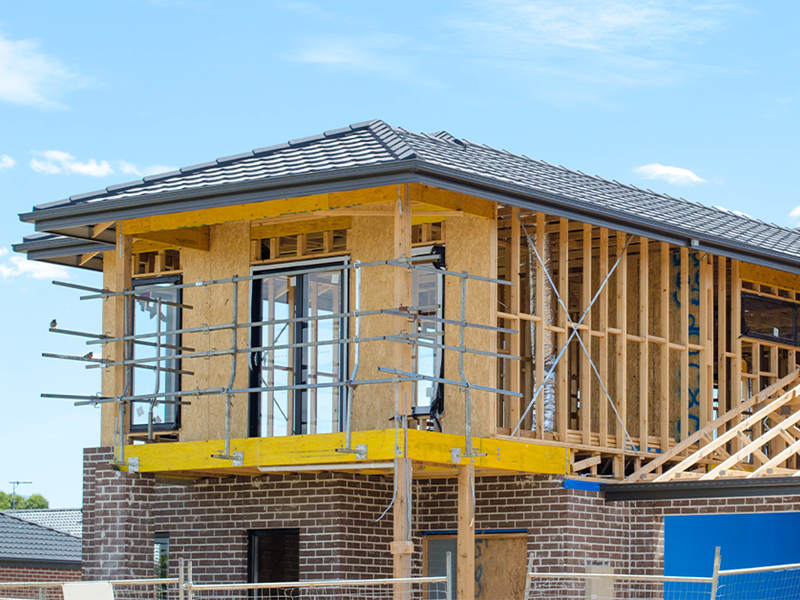
Residential Communities
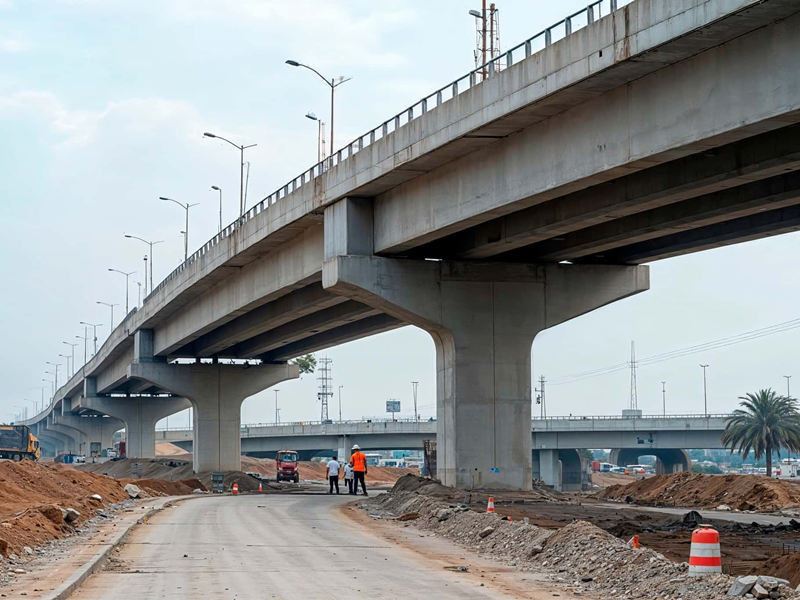
Highways & Urban Roads
Bridges & Airports
Key Raw Materials for Commercial Concrete Production: What Creates Its Strength and Reliability?
The strength, durability and reliability of commercial concrete are not accidental—they come from the scientific collocation of several core raw materials, each of which plays an irreplaceable role. Understanding these raw materials can help you better select suitable concrete for your project, avoid quality risks, and ensure the long-term stability of the project. Below are the key raw materials and their roles in enhancing performance:



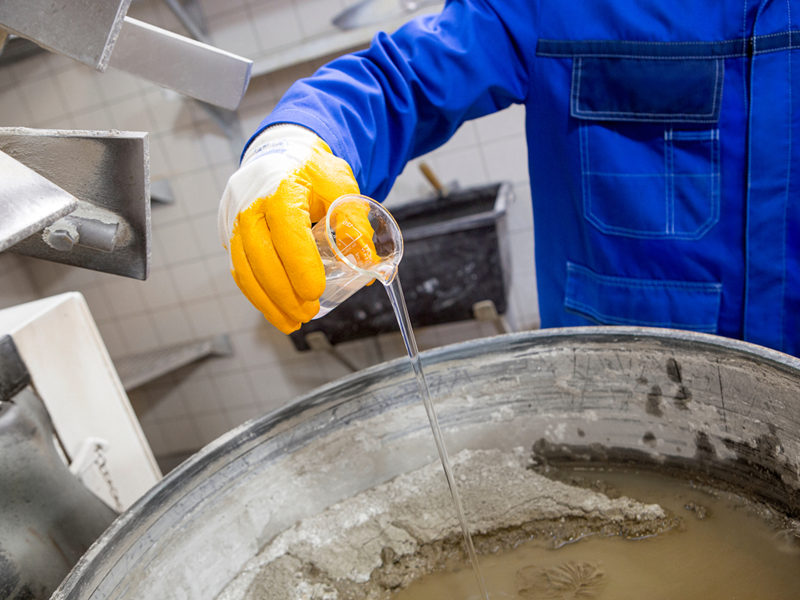
Cement (Core Binder)
As the “glue” of commercial concrete, cement is the core material that determines the basic strength. It is made by calcining and grinding limestone, clay and other raw materials. When mixed with water, it undergoes a hydration reaction to form a hard gel, which bonds aggregates (sand and gravel) tightly together. The type and grade of cement directly affect the strength grade of concrete—for example, high-strength cement (such as Portland cement) is suitable for projects requiring high load-bearing capacity, while ordinary Portland cement is widely used in general construction, laying the foundation for the reliability of concrete.
Aggregates (Skeleton Support)
Aggregates include coarse aggregates (gravel, crushed stone) and fine aggregates (sand), accounting for 70%-80% of the volume of commercial concrete, and are the “skeleton” that supports the concrete structure. High-quality aggregates need to have uniform particle size, high hardness, and no impurities—coarse aggregates bear most of the external load, ensuring the compression resistance and wear resistance of concrete; fine aggregates fill the gaps between coarse aggregates, improving the compactness of concrete and enhancing its durability and impermeability.
Water (Hydration Medium)
Clean water is an essential raw material for the hydration reaction of cement. The water-cement ratio (the ratio of water to cement) is a key factor affecting the strength and reliability of concrete: too much water will reduce the compactness of concrete, leading to insufficient strength and easy cracking; too little water will make the cement hydration incomplete, resulting in loose structure and poor durability. Professional commercial concrete production strictly controls the water-cement ratio to ensure the optimal balance between workability and performance.
Admixtures (Performance Enhancer)
Admixtures are auxiliary materials added in a small amount to improve the performance of concrete, which is the key to enhancing its strength, durability and workability. Common admixtures include water reducers (reducing water consumption while improving fluidity), retarders (extending setting time to adapt to long-distance transportation), and air-entraining agents (improving frost resistance and impermeability). These admixtures solve the pain points of traditional concrete (such as easy cracking, poor workability) and ensure the reliability of concrete in different construction environments and project requirements.
In summary, the strength and reliability of commercial concrete are the result of the scientific combination of cement, aggregates, water and admixtures. Each raw material is strictly selected and proportioned according to project needs in professional production, which is why commercial concrete can meet the diverse and high-standard requirements of global construction projects—whether it is a super high-rise building bearing huge loads or a bridge resisting harsh environments, it can provide long-term and stable support for your project.
Different combinations of core raw materials and different proportioning schemes give birth to various types of commercial concrete. Each type has unique performance characteristics, which correspond to different project scenarios. Next, we will introduce the commonly used commercial concrete types in the industry and help you clarify which one is most suitable for your project.
Common Types of Commercial Concrete in the Industry: Which One is Suitable for Your Project?
Commercial concrete is classified according to performance, strength, and application scenarios, and each type is tailored to specific project needs. Understanding the characteristics and applicable scenarios of each type can help you make accurate selections, reduce costs, and ensure project quality. Below are the most commonly used types in the global commercial concrete industry:
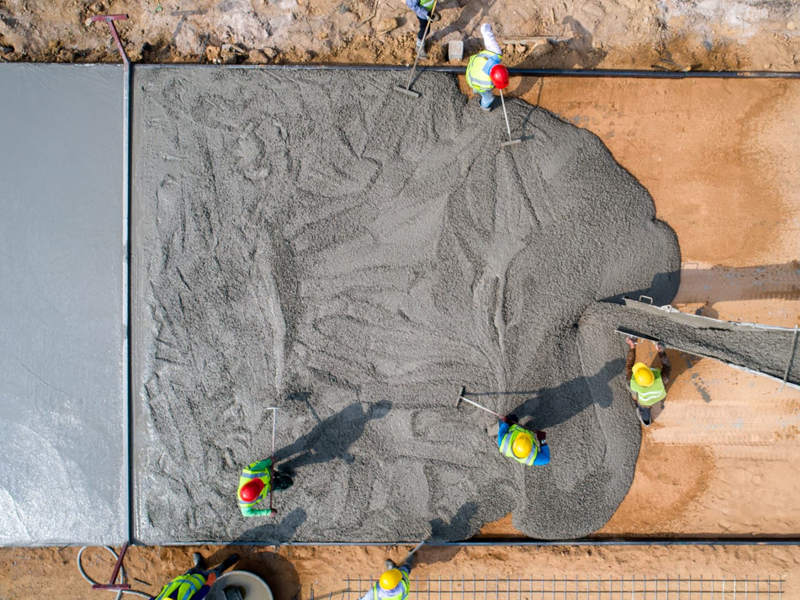

Ordinary Commercial Concrete (Strength Grade: C15-C30)
The most widely used type in general construction, with balanced workability and strength. It is made of ordinary Portland cement, common aggregates and clean water, without adding special admixtures. Suitable for ordinary residential floors, interior walls, sidewalks, low-rise building main bodies, and other projects with low load-bearing requirements. It is cost-effective and widely used in global residential and municipal auxiliary projects.
High-Strength Commercial Concrete (Strength Grade: C40-C80)
Made by optimizing raw material proportioning and adding high-performance water reducers, it has excellent compression resistance and load-bearing capacity. The strength is significantly higher than ordinary concrete, and it is not easy to crack. Suitable for super high-rise building structural columns, bridge piers, large-scale industrial plant foundations, and other projects that need to bear huge loads. It is widely used in global metropolises such as Dubai, New York, and Tokyo for high-rise and super high-rise construction.
Lightweight Commercial Concrete (Density:
Replaces ordinary aggregates with lightweight aggregates (such as ceramsite, pumice), which is light in weight but has good thermal insulation and sound insulation performance. It can reduce the self-weight of the building and improve the seismic performance. Suitable for high-rise building non-load-bearing walls, roof insulation layers, and interior partition walls, especially suitable for energy-saving and seismic projects in regions with high seismic intensity (such as Japan, Chile).
Waterproof Commercial Concrete
By adding waterproof admixtures (such as waterproof agents, air-entraining agents) and optimizing the mix ratio, it has strong impermeability and can effectively prevent water seepage. Suitable for basement projects, swimming pools, water conservancy projects, bridge piers (in humid or coastal areas), and other projects that need to resist water erosion. It is widely used in coastal cities and water conservancy projects around the world.
Fast-Setting Commercial Concrete
Added with accelerating admixtures, it has the characteristics of fast setting and early strength, and can reach the design strength in a short time (usually 24-72 hours). Suitable for emergency repair projects (such as highway pothole repair, bridge emergency reinforcement), winter construction, and projects that need to shorten the construction period. It is an essential type for global emergency engineering and fast-track construction projects.
Low-Carbon Commercial Concrete
With the global promotion of green building policies, this type has become increasingly popular. It replaces part of cement with fly ash, slag and other industrial waste, reducing carbon emissions while ensuring basic strength. Suitable for green building projects, ecological communities, and projects that have environmental protection requirements (such as European green building certification projects). It is the core type for the global commercial concrete industry to achieve low-carbon transformation.
To sum up, the selection of commercial concrete types should be based on the specific requirements of your project—including load-bearing capacity, use environment, construction period, and environmental protection requirements. Choosing the right type can not only ensure the safety and durability of the project but also optimize the construction cost and improve construction efficiency.
From raw material selection to the final finished product, every step of commercial concrete production follows strict industry standards and operational norms. Below is a clear, step-by-step guide to the real industry production process, helping you understand how high-quality commercial concrete is made.
Commercial Concrete Production Process: A Clear and Easy-to-Understand Industry Step-by-Step Guide
Commercial concrete production is a standardized, automated and strictly controlled industrial process, which is implemented in accordance with global industry norms and local quality standards. Each step is closely linked and strictly supervised to ensure the final product meets the project requirements. The following is a detailed breakdown of the core production steps, consistent with the actual operation of mixing plants worldwide:
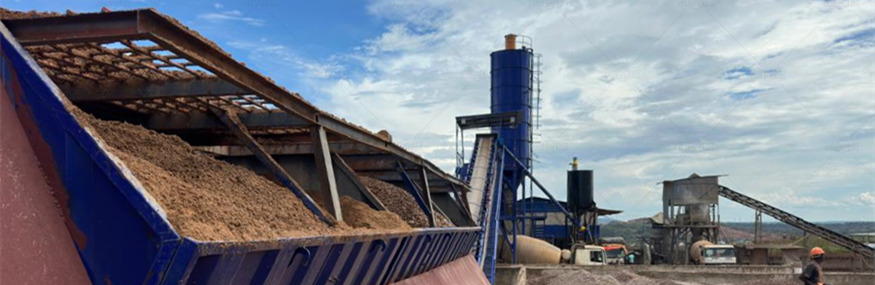
It should be emphasized that the entire production process is equipped with full-process monitoring, and the production control system stores data such as batching records, mixing time, and measurement deviation to ensure that each link is traceable. This standardized production process is the core reason why commercial concrete can maintain stable quality and meet the diverse needs of global construction projects.
Essential Equipment for Commercial Concrete Production: A Full-Process Guide
Commercial concrete production follows a clear, sequential workflow — from raw material arrival to final delivery to the construction site. Each piece of equipment plays a specific role in this process, and we’ll break them down in the exact order they’re used, so you can easily connect equipment to its real-world function.
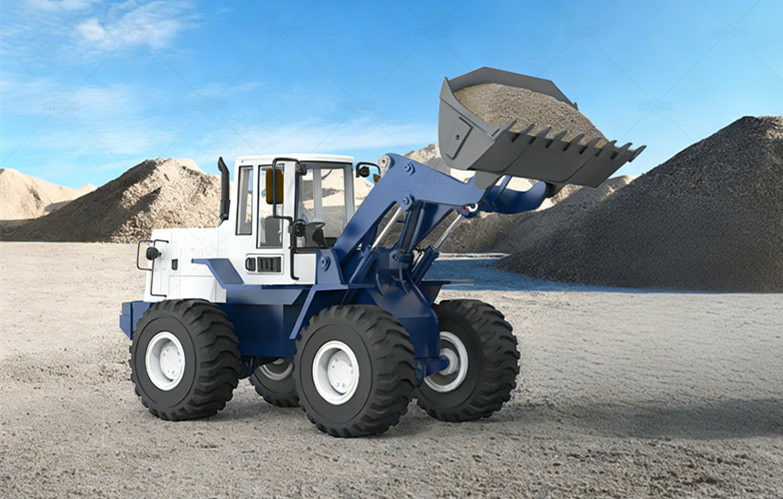
Raw Material Unloading & Loading Equipment
Wheel Loader (Key Loading Equipment): Often the first piece of equipment used in the production process, wheel loaders are responsible for unloading raw materials (sand, gravel, crushed stone) from transport trucks into the aggregate storage yard. They also sort and stack different types of aggregates in separate areas to avoid mixing — a critical step to ensure raw material purity. Equipped with a large bucket, loaders efficiently move large volumes of aggregates, saving manual labor and ensuring the storage yard is organized. Without loaders, moving heavy aggregates would be time-consuming and inefficient, delaying the entire production process.
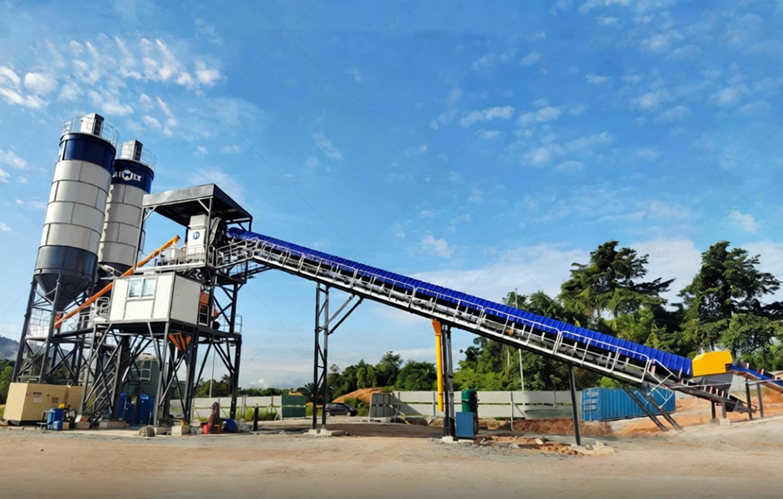
Core Production Equipment: Concrete Batching Plant
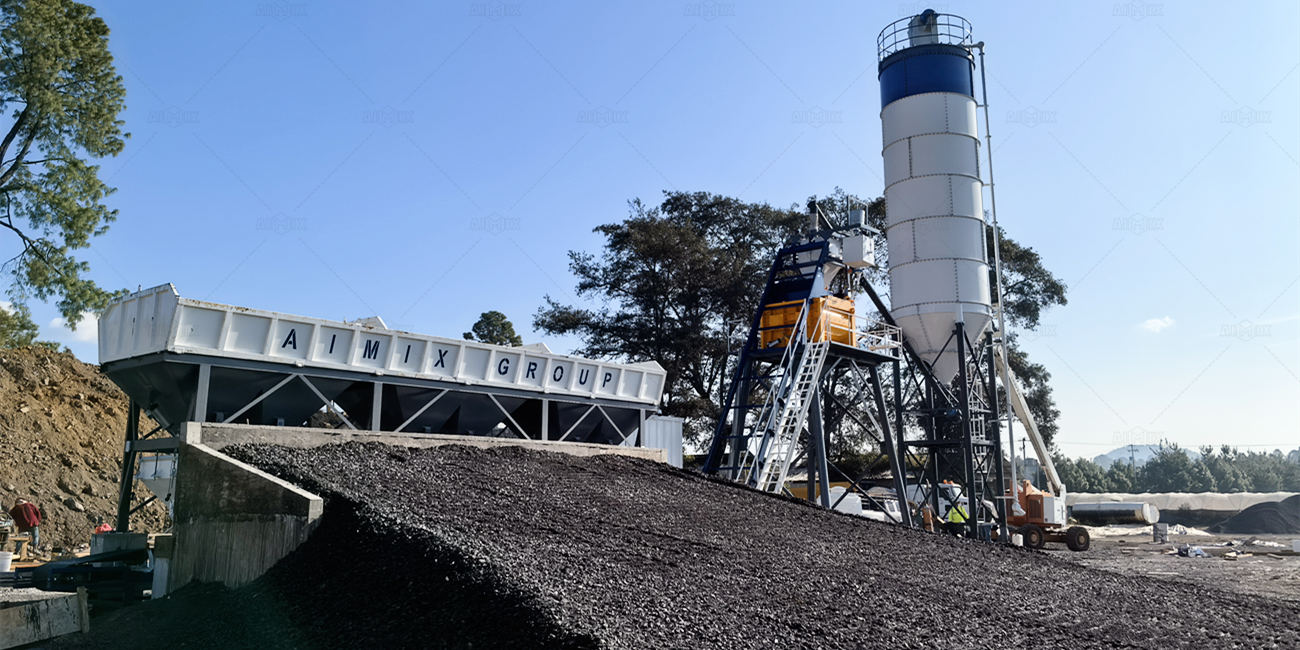
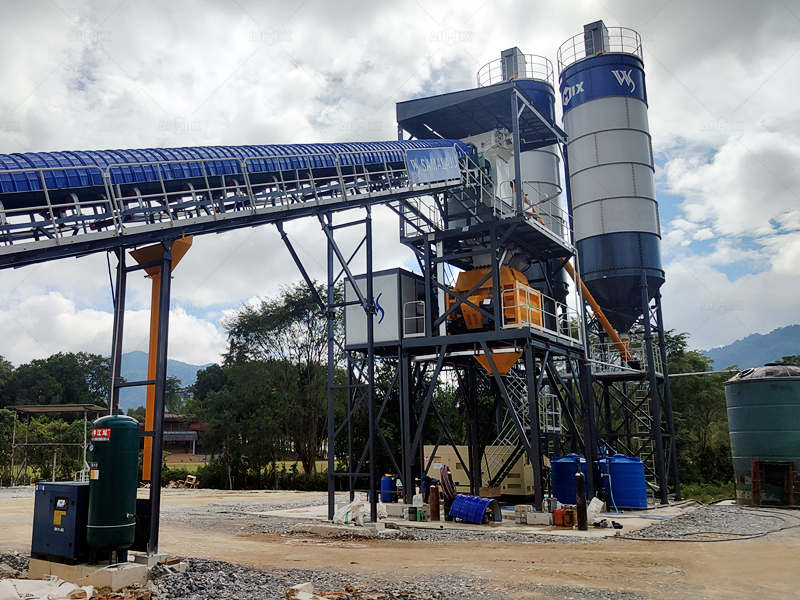
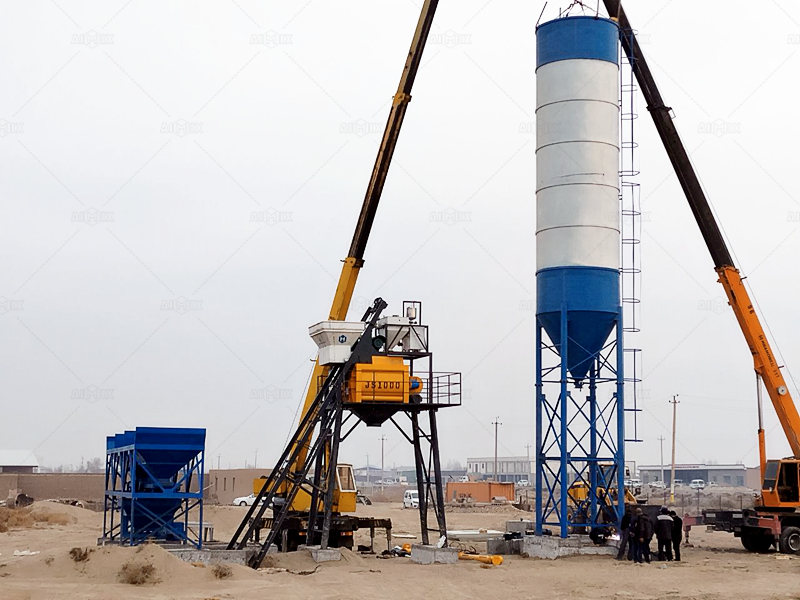
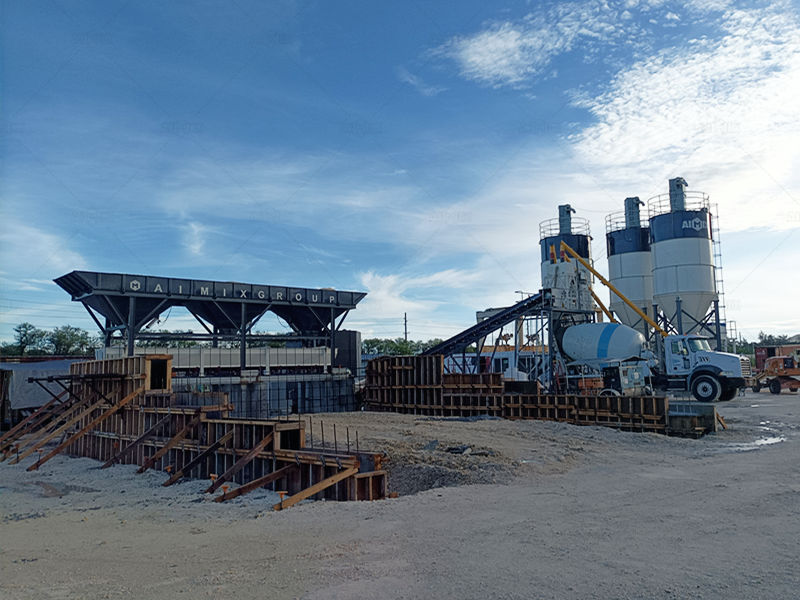
Concrete Batching Plant: The centerpiece of the entire production process, integrating all components needed to mix raw materials into high-quality concrete. Its key integrated components include: a computerized batching system (for precise weighing), built-in mixing host , internal conveying systems (to move materials between components), and electrical control systems (to operate the entire plant). The plant’s core role is to weigh cement, aggregates, water, and admixtures according to the preset mix design, then mix them into a homogeneous mixture. It’s designed to handle large-scale production, ensuring consistent quality batch after batch — without a batching plant, commercial concrete’s standardization and stability would be impossible.
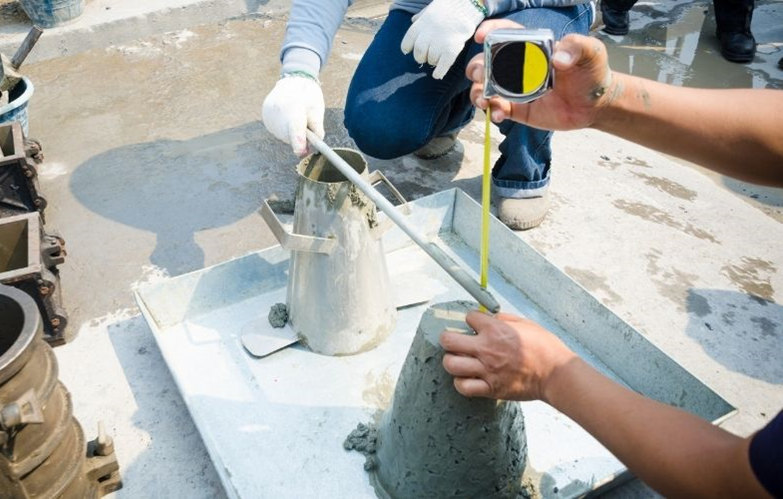
Quality Testing Equipment
Concrete Testing Equipment: Used immediately after mixing to verify concrete quality before delivery. Key equipment includes: slump testers (to check workability, ensuring the concrete can be poured and compacted), compressive strength testing machines (to measure strength of 28-day cured test blocks), and curing chambers (to provide a standard environment — 20±2℃, relative humidity ≥95% — for test blocks, ensuring accurate results). All test data is recorded for 5+ years to meet traceability requirements, a must for complying with ASTM, EN, and other industry standards.
Transportation & On-Site Delivery Equipment
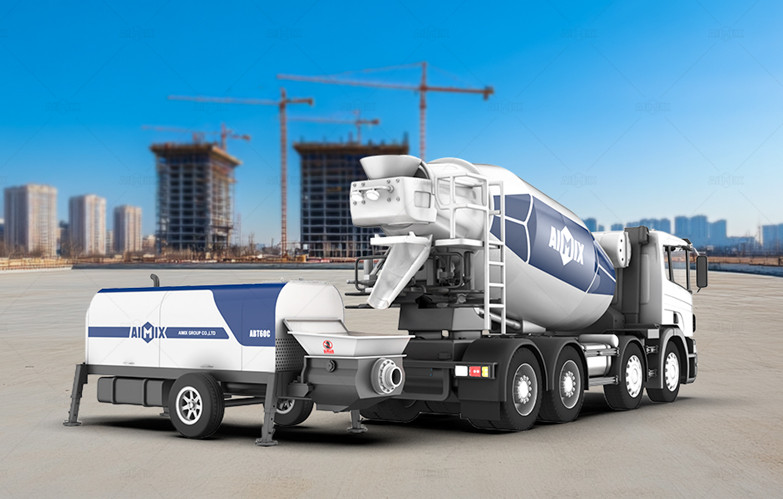
Transportation & On-Site Delivery Equipment
Transit Mixers: After concrete passes quality testing, it’s loaded into transit mixers — the primary transportation equipment. These trucks have rotating mixing drums that spin at 2-6 revolutions per minute during transport to prevent segregation (heavier aggregates settling, lighter materials rising). With a typical capacity of 6-12 cubic meters, they deliver concrete within 90 minutes (per ASTM C94) to ensure it remains workable when poured.
Concrete Pumps: Once at the construction site, concrete pumps transport concrete from transit mixers to high-rise or hard-to-reach areas. Using high pressure, they push concrete through pipelines, improving pouring efficiency and reducing manual labor — essential for high-rises, large industrial plants, and projects with limited access.
Following the exact workflow of commercial concrete production — from raw material unloading with loaders, to storage, mixing in the integrated batching plant, quality testing, and final delivery — each piece of equipment works in sequence to ensure stable, efficient, high-quality production. Next, we will explore the key future trends shaping the commercial concrete production industry, focusing on concise and actionable insights.
Now that we have detailed the complete production process and related equipment, let’s take a look at the industry standards and quality requirements that govern each stage of commercial concrete production.
Commercial Concrete Industry Standards & Quality Requirements
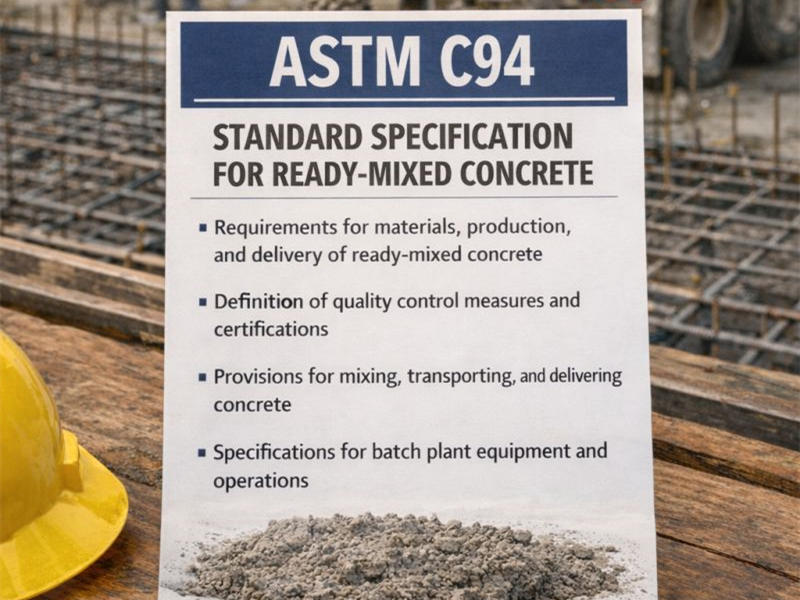
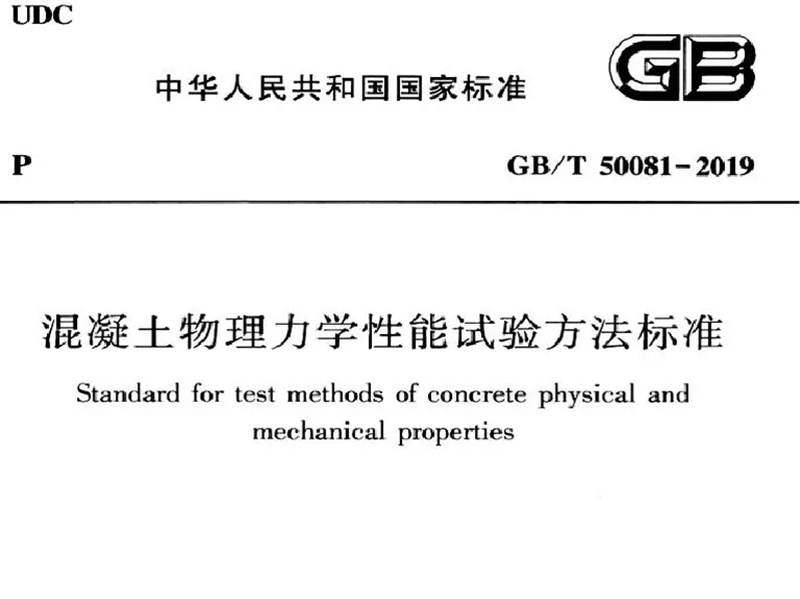
Global Authoritative Industry Standards
Core Quality Performance Indicators
Industry-Wide Quality Control Systems
Following these standards is critical for avoiding costly failures and ensuring project longevity. For example, a water-cement ratio exceeding 0.7 can reduce compressive strength by 20-30% and increase permeability by 50%, leading to premature corrosion of steel reinforcement and structural damage within 10-15 years. Conversely, adhering to ASTM C94’s 90-minute delivery rule ensures concrete workability — delays beyond this time can reduce slump by 30-40%, requiring costly admixture adjustments or even discarding the entire batch. For construction professionals, understanding these details means being able to verify concrete quality on-site: checking slump values against project requirements, reviewing batch records for batching accuracy, and confirming that raw material test reports meet standard limits. This knowledge helps avoid rework, which can add 10-15% to project costs, and ensures structures meet design life expectations (50+ years for residential buildings, 100+ years for infrastructure).
With detailed standards, precise data, and practical quality control insights clarified, let’s explore the different types of commercial concrete commonly used in the industry — each tailored to specific project needs.
Commercial Concrete Industry: Common Challenges & Solutions
The global commercial concrete industry faces universal challenges amid economic, environmental, and market changes. Below, we clarify core industry challenges, paired with practical macro solutions, and detail how our company addresses these pain points with targeted technologies and global experience.
| Industry Challenge | Industry Macro Solutions | Our Company’s Solution |
|---|---|---|
| Raw Material Volatility & Supply Chain Disruptions: Frequent price swings of cement, aggregates, and admixtures, plus cross-border logistics bottlenecks and policy changes, lead to cost instability and production interruptions. | Establish long-term upstream partnerships to lock in supply; build regional sourcing hubs to reduce cross-border risks; use supplementary cementitious materials to cut cement dependence. | We adopt a precision feeding system with remote calibration and material surplus alerts, reducing raw material waste by 10% and stabilizing costs. |
| Decarbonization Pressures & Strict Emission Regulations: Global carbon reduction demands and strict emission standards push enterprises to cut cement-related carbon emissions, with non-compliance risking production suspension. | Optimize mix ratios with industrial waste; promote low-carbon binders and CCUS technology; align with global green building certifications. | Our integrated control system optimizes mix ratios to reduce cement usage, while our equipment’s high efficiency (e.g., twin-shaft mixers for large batches) minimizes energy consumption. We also support low-carbon concrete production, aligning with global green standards for projects requiring certification. |
| Labor Shortages & Operational Inefficiency: Shortage of skilled operators, high labor intensity, and manual operation errors hinder production efficiency and continuity. | Popularize automated and digital production systems; train multi-role talents; promote remote monitoring to reduce on-site staffing. | Our fixed plants feature one-touch start + dual operation mode (PLC touchscreen + physical buttons), cutting startup time by 30% and error rates by 50%. The AJSY40 mobile plant enables 1-person remote operation, solving labor shortages. IoT remote monitoring reduces failure rates by 40% and boosts operational efficiency. |
| Urban Logistics Difficulties & Freshness Risks: Urban congestion and long transportation distances lead to slump loss, concrete waste, and delayed delivery, especially for remote sites. | Optimize delivery routes digitally; use retarding admixtures; deploy mobile mixing stations for on-site production. | Our AJSY40 mobile plant (200m³ daily output) enables on-site mixing, avoiding long-distance transportation and ensuring freshness. Its single-belt feeding system cuts loading time by 50%, while fixed plants’ continuous production capacity (boosted by precision feeding) meets tight delivery windows. |
| Quality Consistency & Traceability Requirements: Strict project requirements for consistent quality and full traceability, with quality issues leading to rework and liability risks. | Implement unified industry standards; adopt full-process monitoring; conduct third-party inspections. | Our fixed and mobile plants feature full-process monitoring and real-time data dashboards, recording all production links for traceability. The MINI POWER AJSY40’s weighing error (≤1%, vs. industry 2%) ensures quality consistency, while our global project experience (e.g., Bangladesh military port, Philippines National Grid) proves compliance with international standards (EN 206, ASTM C94). |
| Regional Market Fragmentation & High Compliance Costs: Diverse regional standards, regulations, and tariffs increase cross-border operational complexity and compliance costs. | Promote standard mutual recognition; adopt localized operations; strengthen industry alliances. | We offer customized plant designs to adapt to regional standards and scenarios. With 6 global branches and 100+ service points, we provide localized support, pre-approved mix designs, and compliance guidance for 150+ export countries, reducing cross-border costs. |
By integrating industry macro best practices with our proprietary technology and global experience, we turn industry challenges into competitive advantages, delivering stable, efficient, and compliant solutions for projects worldwide—from large-scale infrastructure to remote small-batch operations.
Commercial concrete stands as the cornerstone of global construction, driving urban development and infrastructure progress. With professional insights into the industry and targeted technological solutions, we are committed to turning industry complexities into reliable support for your projects, empowering every construction endeavor with stability, efficiency and compliance, wherever you are in the world.