
- Strategic partner of Global Fortune 500 companies, designated supplier for government projects worldwide
- Keep Your Project Moving Without Interruption
- Deliver Consistent Quality Across Every Pour
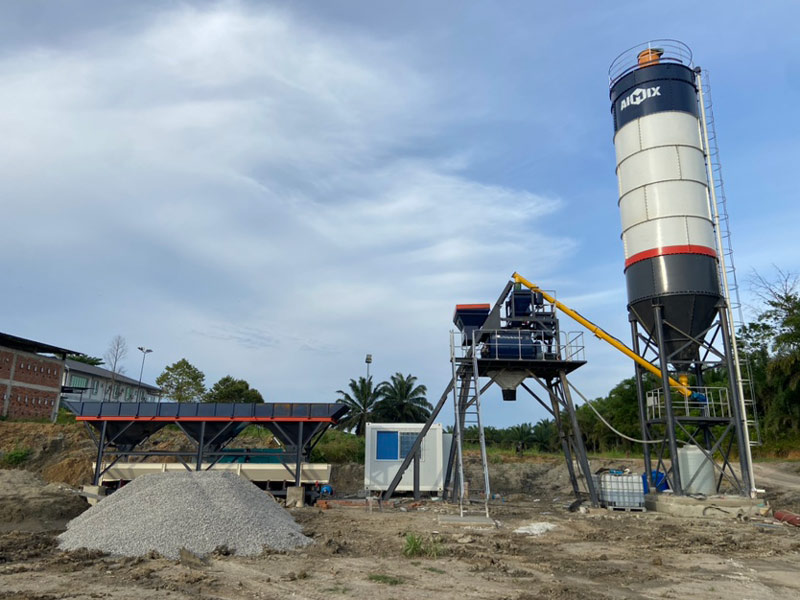
In high-rise buildings, bridges, or large-scale commercial concrete supply projects, construction sites frequently encounter a recurring set of concrete-related challenges: batch-to-batch variations lead to uneven pouring; interruptions in pumping disrupt the construction rhythm; and even minor errors in on-site water addition can compromise structural integrity. Every instance of rework or delay quietly erodes both the project schedule and the budget.
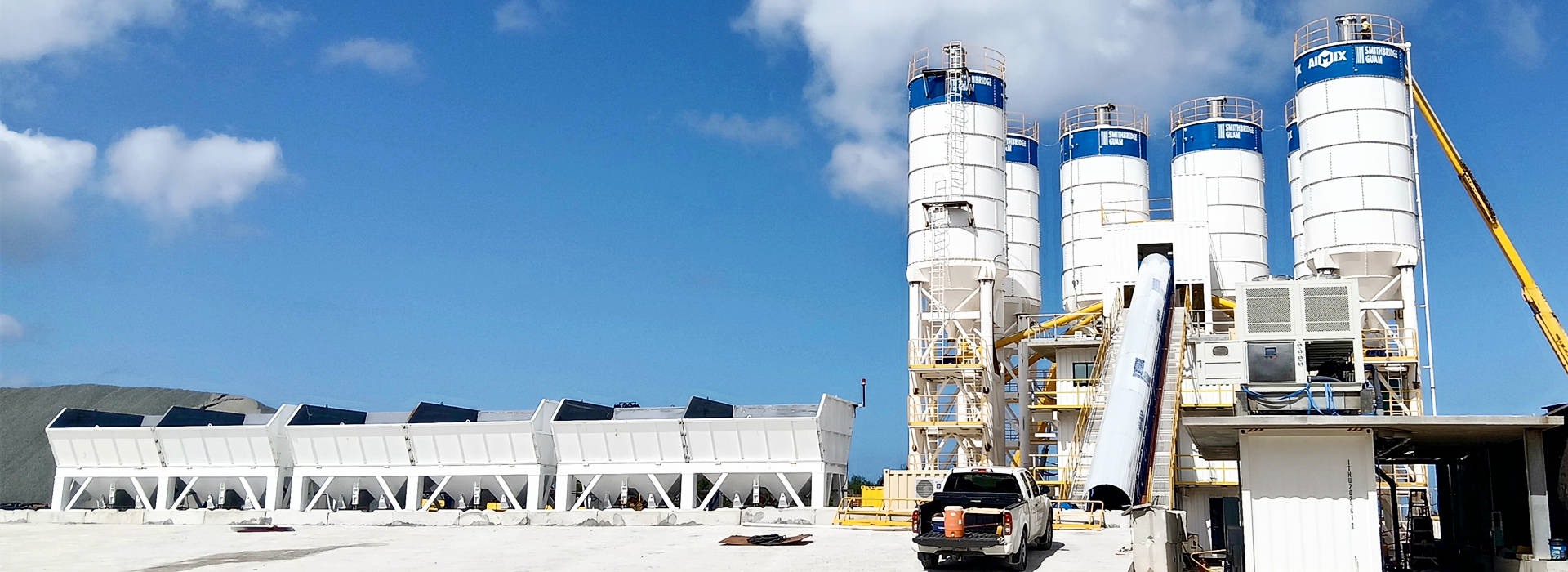
Wet mix plants effectively eliminate this uncertainty. By shifting the processes of proportioning, water addition, and mixing upstream to the production facility, they ensure that every batch of concrete is discharged in a state nearly ready for immediate application. This not only minimizes the need for on-site adjustments but also transforms the pace of construction—along with its quality and efficiency—into controllable variables. Consequently, construction crews can focus their attention on the critical tasks of pouring and project management, rather than constantly reacting to the temporary disruptions caused by material inconsistencies.
Wet Mix Plant Makes Projects More Controllable
In construction projects, the performance of concrete often depends not merely on the rationality of its mix design, but—even more critically—on its stability during the actual construction process. Variations in slump, inconsistencies in mixing conditions, or fluctuations during pumping operations can disrupt the construction rhythm and compromise the structural quality’s consistency.
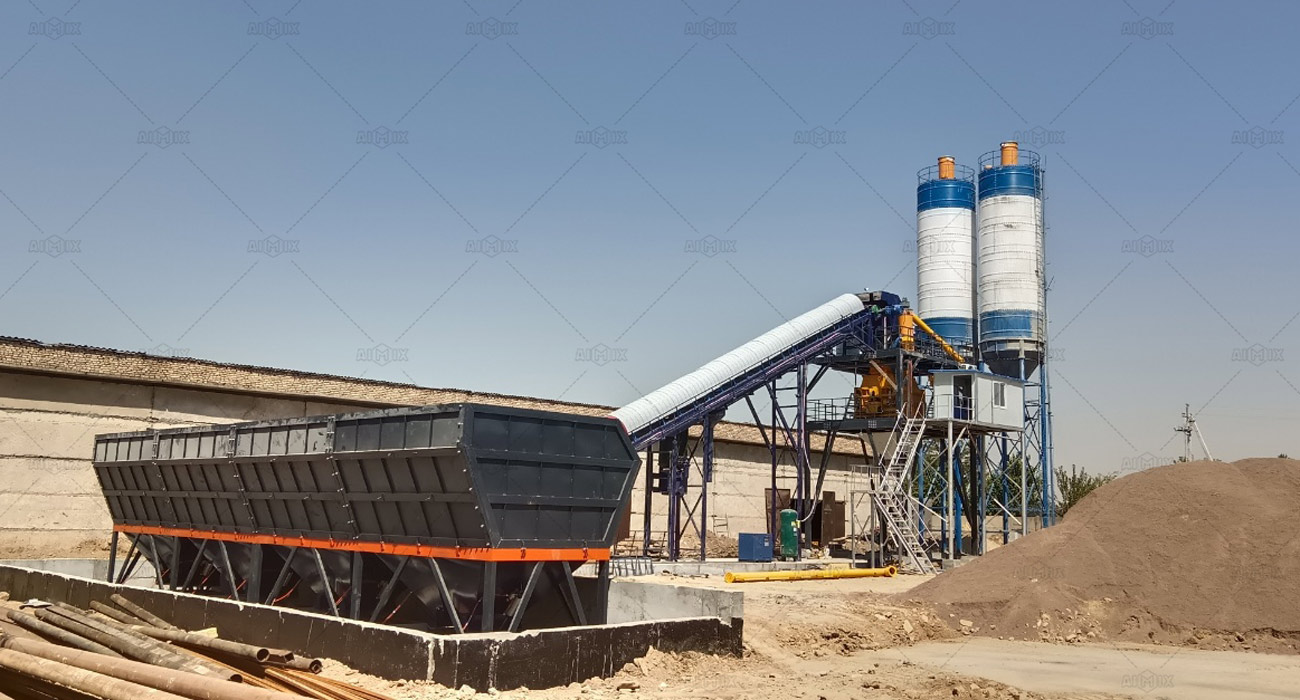
The significance of a wet mix plant lies in its standardized control over the water addition and mixing stages, thereby minimizing these uncertainties to the greatest extent possible. By ensuring that every batch of concrete arrives at the construction site in a relatively stable and predictable state, the construction process is no longer frequently disrupted by material fluctuations, making it significantly easier to manage both overall project progress and quality.
From the Perspective of Construction Type: High-Requirement Continuous Pouring Projects
From the Perspective of Construction Environment: Managing External Variables
From the Perspective of Construction Quality: Minimizing Human-Induced Variability
From the Perspective of Construction Efficiency: Reducing On-Site Adjustments
From the Perspective of Long-Term Outcomes: Consistency Outweighs Individual Performance
In structural engineering, while data from individual tests is undoubtedly critical, the overall consistency of the structure holds even greater importance. By enhancing uniformity across concrete batches, wet mix batching plants ensure that structural strength, durability, and construction quality remain stable throughout the structure’s long-term service life, thereby reducing future maintenance costs and associated risks.
In summary, the value of a wet mix plant lies not merely in the enhancement of a single performance metric, but rather in its ability—through uniform mixing and precise water addition—to minimize material variability throughout the entire construction chain. This renders the construction process more controllable, ensures that the final results align more closely with design specifications, and facilitates the realization of a balance between quality and efficiency in high-standard construction projects.
When Are Wet Mix Concrete Plants Most Effective?
Having understood the role of a wet mix plant in ensuring the consistency and quality of concrete construction, the next question becomes: In which of your specific construction scenarios can it truly play a pivotal role? Varying construction conditions impose distinct requirements on material properties and construction pacing; it is precisely within the context of these practical demands that the true value of a concrete batching plant is realized.
In the following categories of construction scenarios, the distinct advantages of a wet-mix batching plant can provide your project with direct support and tangible improvements:
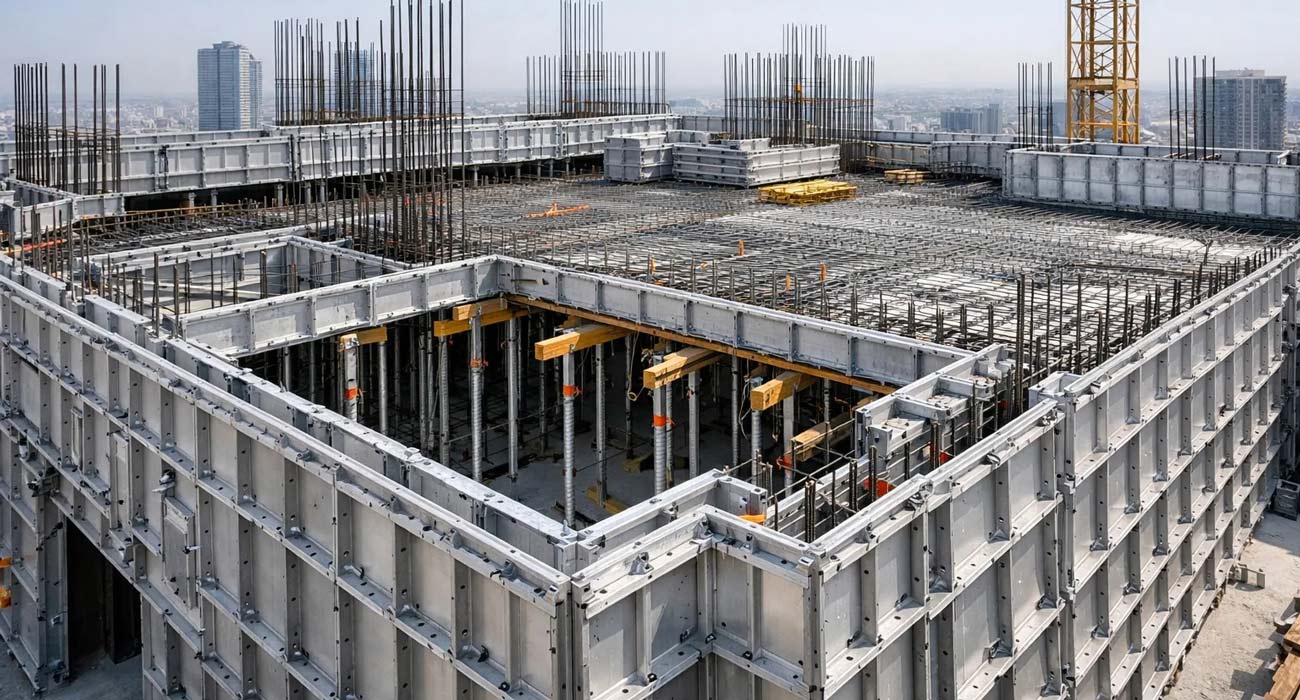
- Typical Scenarios: Continuous structural pouring for high-rise buildings, floor slab construction for large-scale commercial complexes, continuous beam pouring for bridges, etc.
- Operational Characteristics: Concrete pouring must proceed continuously; interruptions may lead to construction cold joints or pumping issues. The construction pace is tight, demanding high standards for material uniformity and pumpability.
- Advantages of Wet Mix Plant: The concrete is discharged in a state that closely meets construction requirements, thereby reducing on-site adjustment time. High uniformity across different batches facilitates smooth continuous pouring, enhancing construction efficiency and overall structural quality.
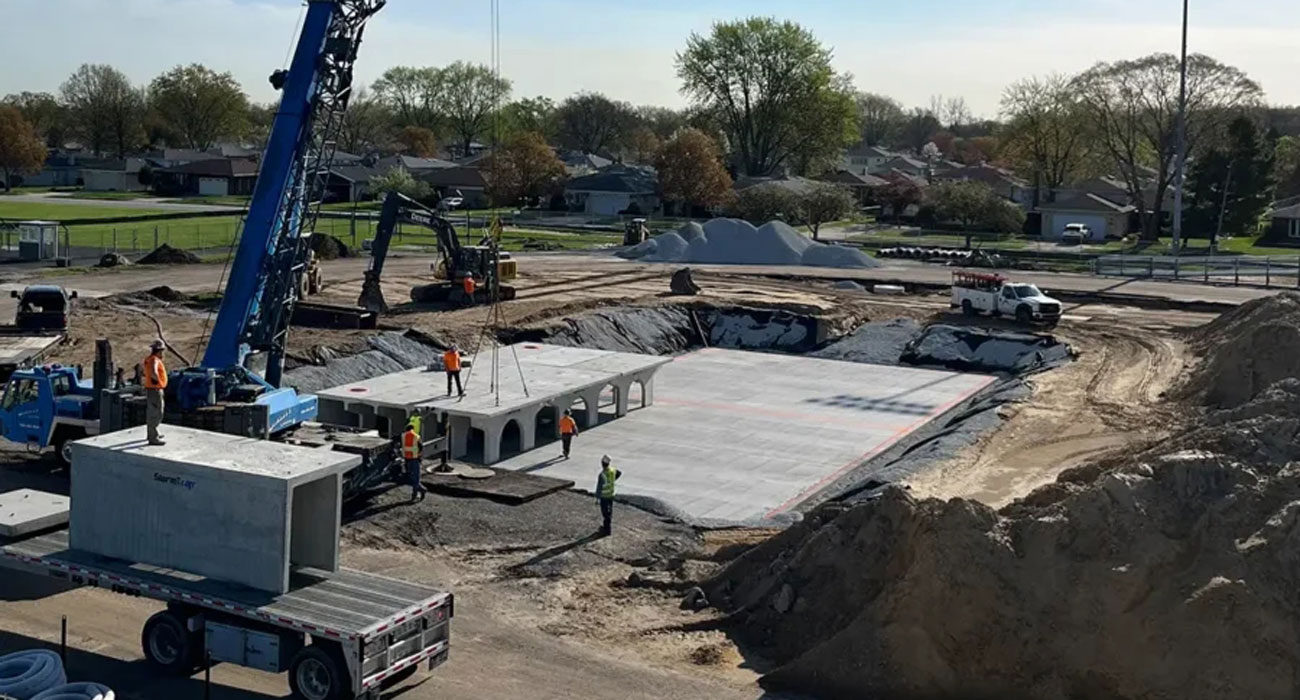
- Typical Scenarios: Open-air construction sites, buildings located in urban heat island zones, winter pouring operations, or construction during hot weather.
- Operational Characteristics: Variations in ambient temperature, humidity, and aggregate moisture content can affect slump, pumpability, and ultimate strength. On-site adjustments are often difficult to execute effectively.
- Advantages of Wet Mix Plant: Precise water addition and mixing are completed at the production facility, allowing for automatic adjustment of material properties. This ensures stable concrete performance upon discharge, mitigates the impact of environmental factors on construction outcomes, and improves workability.
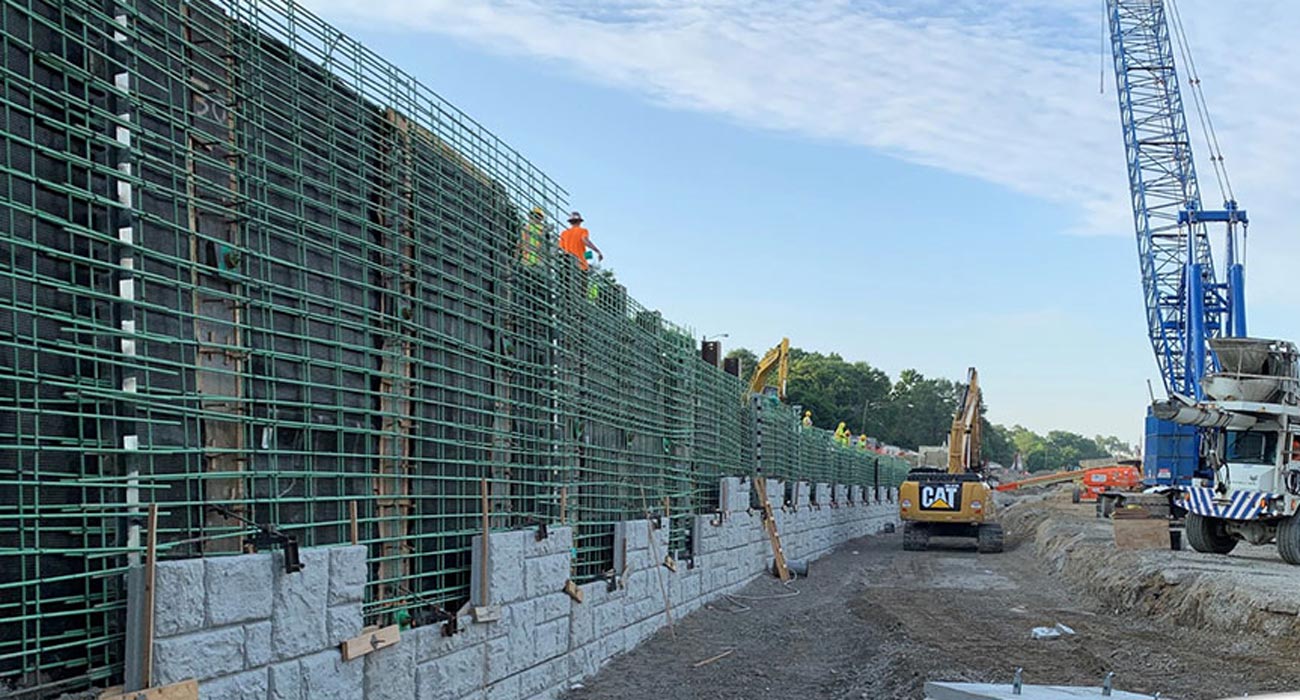
- Typical Scenarios: Pouring of core walls/shafts for high-rises, floor slabs for high-end residential buildings, and foundations, beams, and columns for industrial facilities.
- Operational Characteristics: Strict requirements apply regarding concrete strength, compaction density, and surface flatness. Discrepancies between different concrete batches can lead to structural defects.
- Advantages of Wet Mix Plant: The wet mix method allows for precise control over the water-cement ratio and mixing uniformity, ensuring consistent performance across every batch. This enhances the stability of construction quality and reduces the risk of subsequent rework.
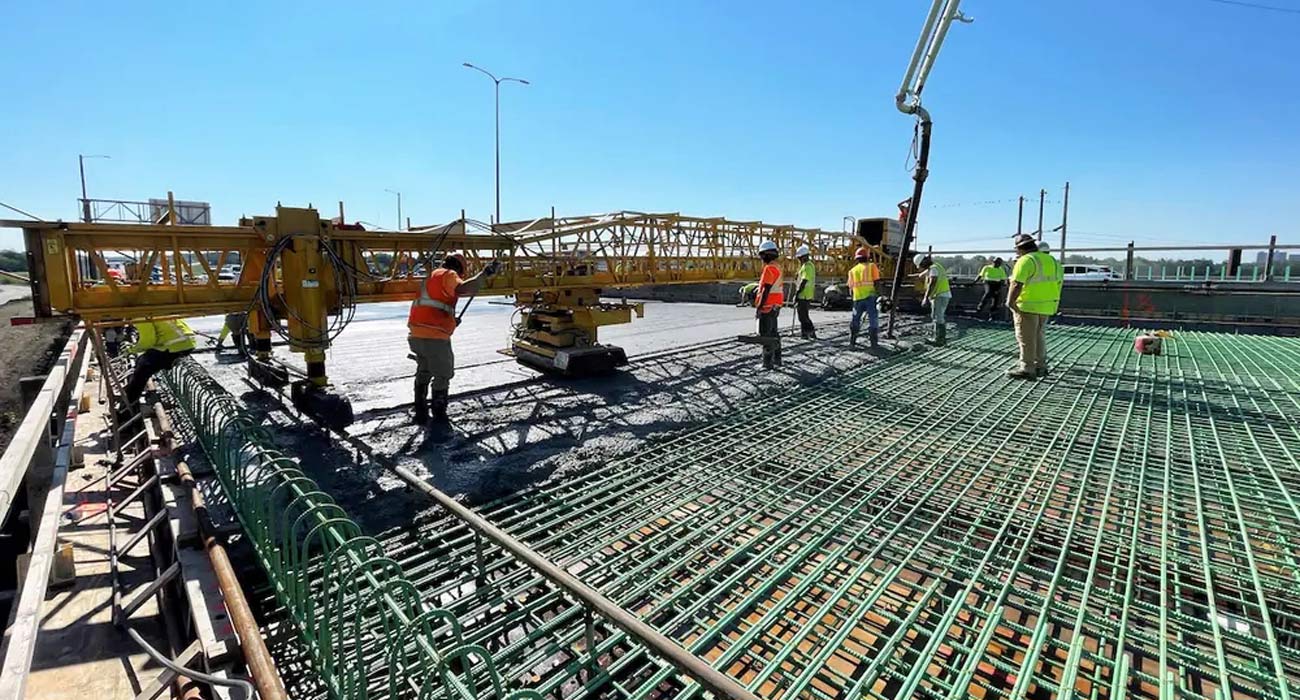
- Typical Scenarios: Rapid construction of commercial complexes, residential developments with high-spec interior finishes, road and bridge construction, etc.
- Operational Characteristics: Construction windows are limited, requiring close coordination between continuous pouring and pumping operations. On-site adjustments can severely disrupt the project schedule.
- Advantages of Wet Mix Plant: The concrete is discharged in a ready-to-use state, eliminating the need for repetitive on-site water addition or mixing. This reduces waiting times during construction, ensures continuity in the pumping and pouring processes, and boosts overall construction efficiency.
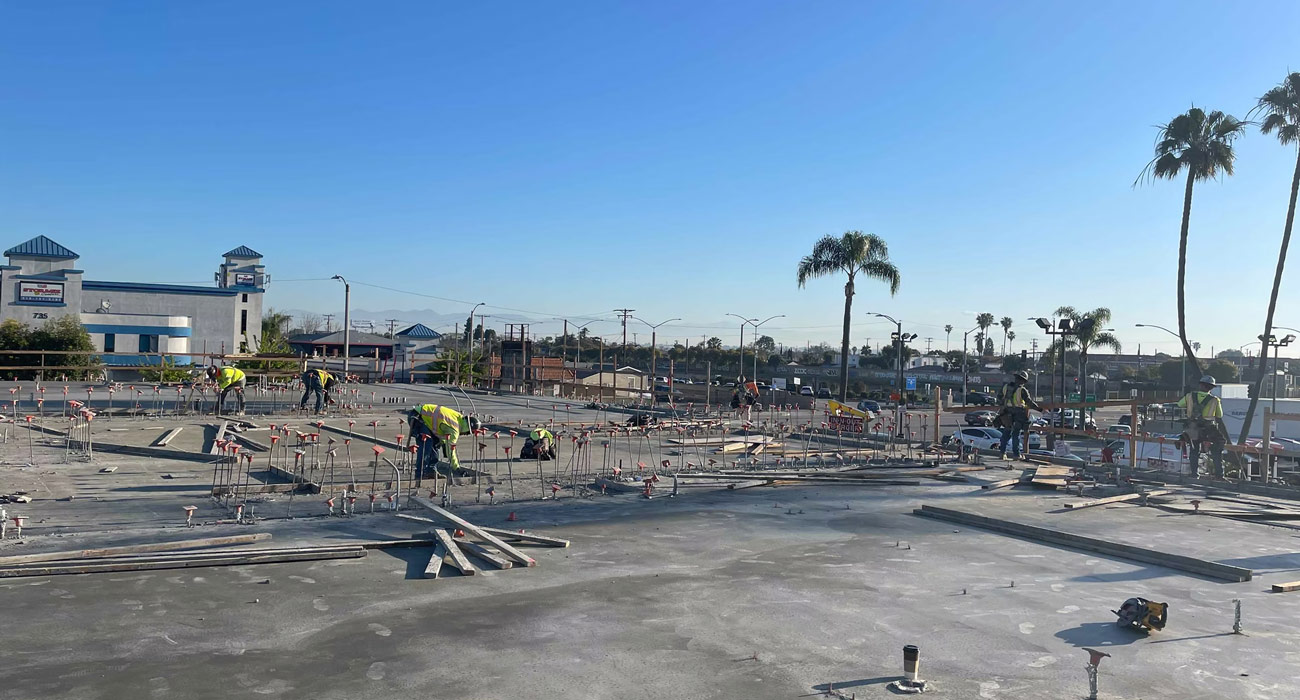
- Typical Scenarios: Commercial or industrial projects located in remote areas, simultaneous operations across multiple construction points, or temporary construction sites.
- Operating Conditions: On-site personnel possess varying levels of experience; manual adjustments are prone to error, making effective management challenging.
- Advantages of Wet Mix Plant: By implementing centralized control at the production facility—thereby standardizing water addition and mixing processes—reliance on on-site manual expertise is significantly reduced. This ensures that even at dispersed construction sites, concrete consistency and construction quality are consistently maintained.
Overall, the application of a wet batch plant is not determined by the type of project, but rather by the construction requirements regarding the controllability of the concrete’s state, as well as the pace and consistency of the construction process. Whenever these factors emerge as critical variables influencing the construction outcome, a wet mix batching plant is capable of providing a more stable and efficient solution.
Wet Mix Plants in Action: From Complex Conditions to Reliable Output
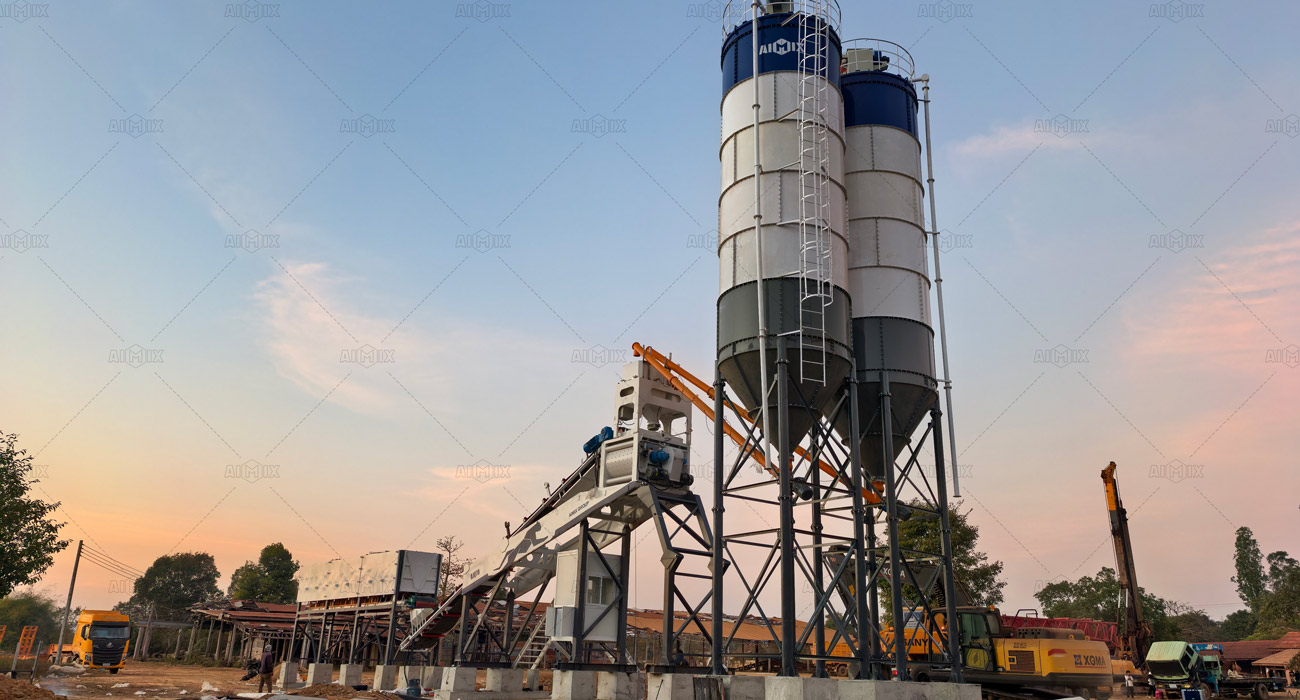
Rapid Deployment Under Constrained Site Conditions
- Customer Needs: Given the limited space at the construction site, the equipment must possess strong adaptability. In addition, due to the tight project schedule, installation and commissioning needed to be completed in a short time. It was necessary to balance construction flexibility with baseline production capacity.
- Our Solution: We provided the AJY70 mobile batching plant designed for rapid relocation and fast deployment. The equipment layout was optimized to reduce on-site installation complexity. Meanwhile, we offered full on-site installation guidance and commissioning support to ensure quick startup.
- Client Feedback: “The plant was easy to install and adapt to our site. It helped us start production much faster than expected.”
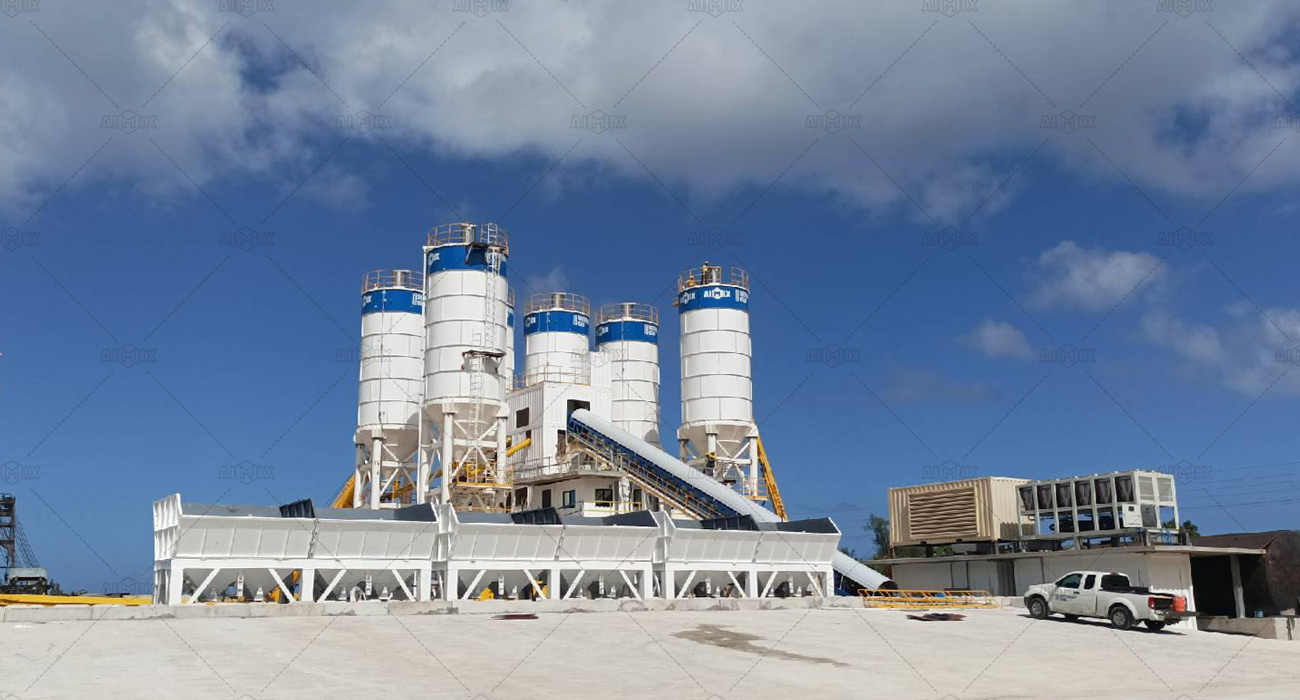
Stable Output for Continuous Construction in Island Projects
- Customer Needs: The project required continuous material supply under island conditions, where equipment stability and reliability were critical. Any interruption in production could directly affect construction progress.
- Our Solution: We supplied the AJ180 stationary batching plant to ensure stable and continuous production. Key components were reinforced for long-term operation, and remote technical support was provided to ensure reliability.
- Client Feedback: “The plant runs consistently and supports our daily production without interruption.”
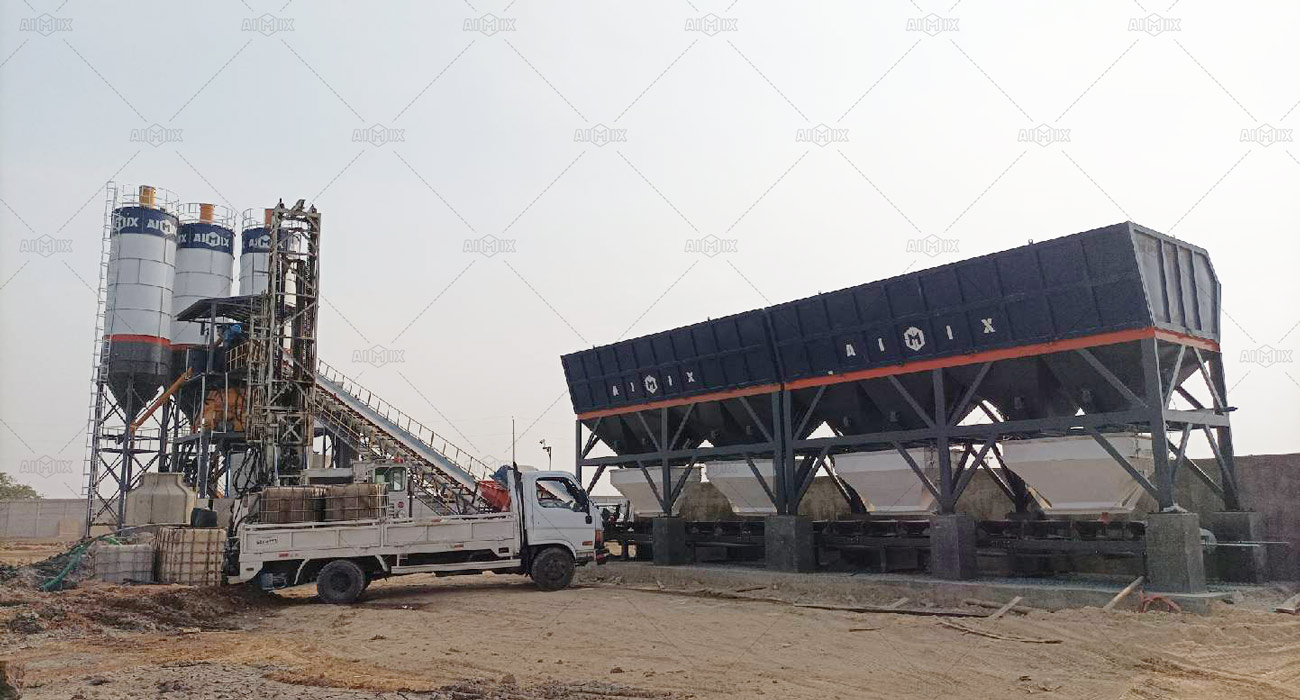
From Zero Experience to Local Production Capability
- Customer Needs: The client had no prior experience in batching plant or industrial equipment operation. The goal was not only to meet project demand but also to achieve long-term commercial supply capability.
- Our Solution: We recommended the AJ90 model suitable for both project use and long-term development. On-site installation guidance and structured operator training were provided to ensure smooth operation.
- Client Feedback: “We not only met our project needs but also started supplying concrete locally.”
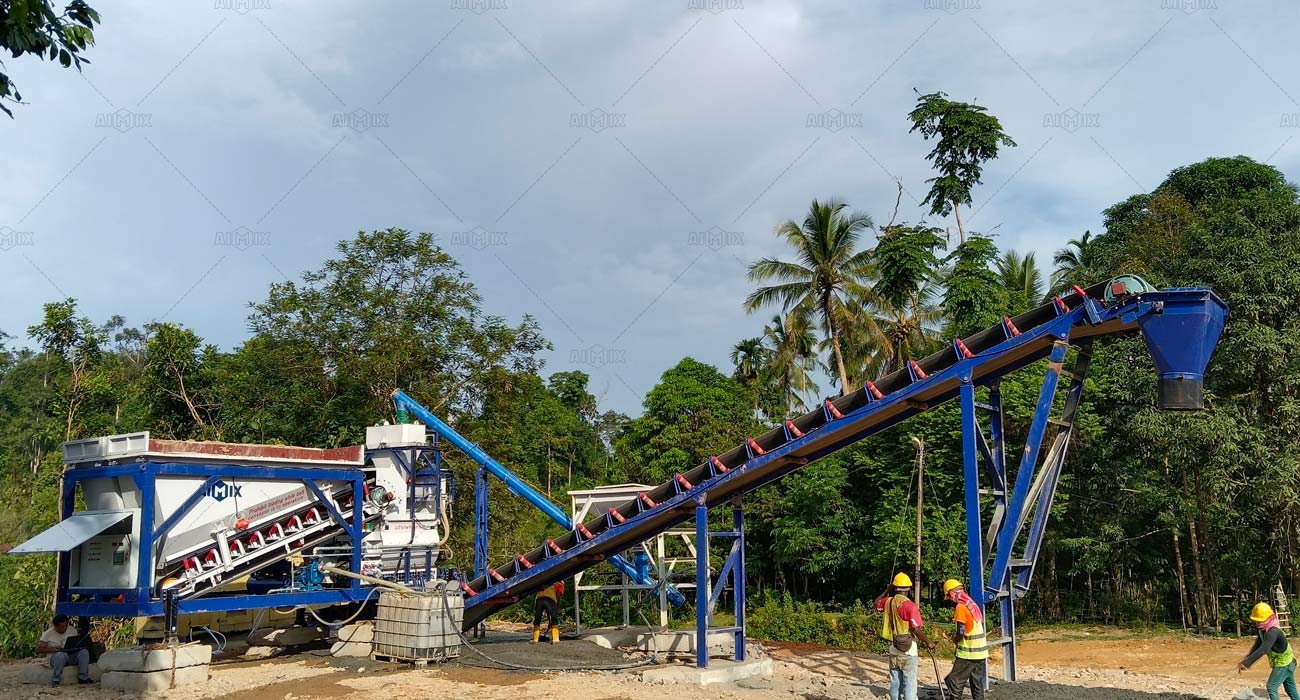
Compact Solution for Fast-Track Infrastructure Construction
- Customer Needs: The project had a tight schedule, dispersed construction areas, and limited installation space. Rapid deployment and efficient operation were required.
- Our Solution: We provided a compact AJSY35 batching plant in malaysia with optimized configuration. Fast delivery was arranged, and installation and commissioning were completed within 10 days under complex terrain conditions, along with operator training.
- Client Feedback: “The compact design and fast setup helped us keep the project on schedule.”
Wet Mix Plant Solutions for Varying Construction Conditions
Every one of your projects—and its specific requirements—is unique. Construction projects of varying scales and operating conditions place distinct demands on equipment: your project might prioritize long-term stability and high-volume production capacity; alternatively, it may require rapid deployment and flexible site mobility; or, due to site constraints, you might favor a compact and highly efficient solution. Consequently, our wet mix plants are not offered as a single, fixed configuration; instead, we have developed a range of customized variants tailored to the actual needs of your project, designed specifically to align with your unique site environment and construction schedule.
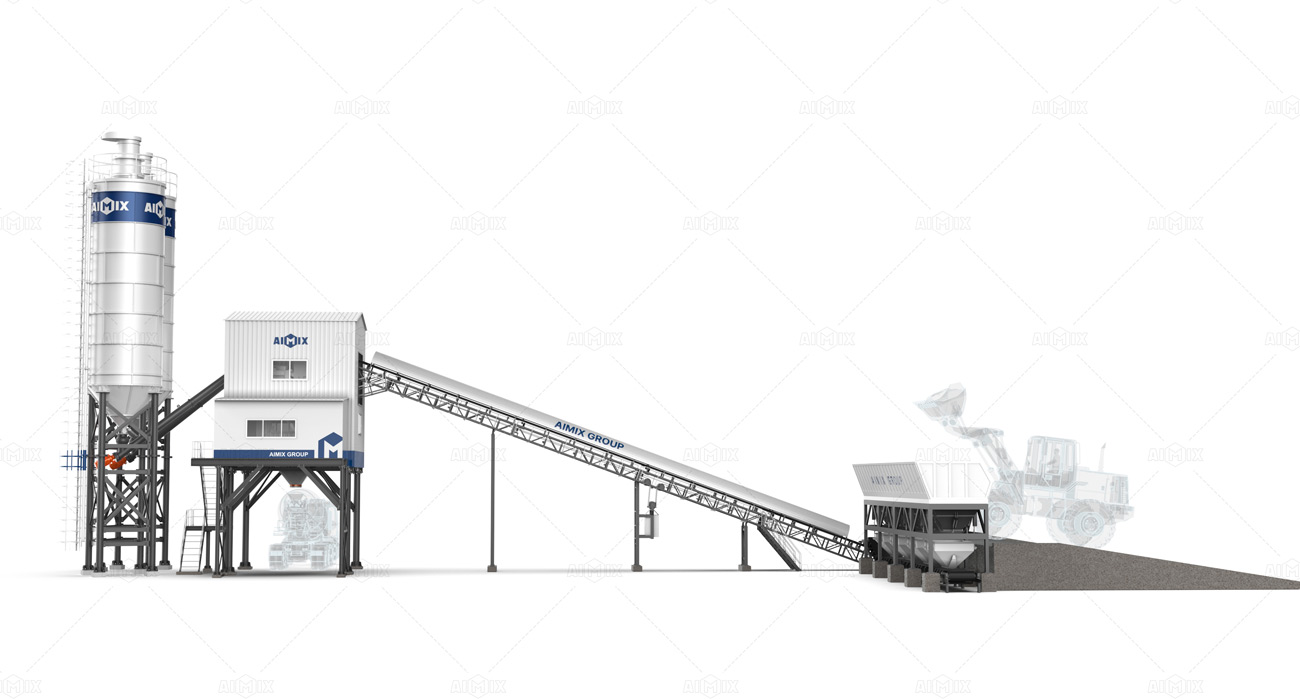
Stationary Wet Concrete Batching Plant — AJ Series
- Capacity: 25-240m³/h
- Mixer: Twin shaft mixer, Vertical-shaft mixer
- Mixing Cycle Period: 65-72s
- Set-Up Time: Longer setup time (10-60 days).
Enhancing Production Stability and Minimizing Human Interference in Construction Rhythms
The integrated control system supports one-touch start-and-stop functionality and features a dual-mode interface—combining touchscreen controls with physical buttons. This design in stationary batching plant not only streamlines operational workflows but also accommodates diverse user preferences. By accelerating response times while simultaneously reducing the risk of human error, the system makes it significantly easier to maintain continuous operation across the entire production line.
Mitigating Downtime Risks Caused by Equipment Failure and Ensuring Predictable Operational Status
The IoT system provides real-time monitoring of critical equipment performance data—such as motor temperature, current levels, and vibration status. In the event of an anomaly, it issues immediate alerts and assists in diagnosing the issue. Furthermore, by integrating a proactive maintenance reminder mechanism, the system minimizes instances of unexpected downtime, thereby rendering the overall construction schedule more controllable and predictable.
Ensuring Stability in Material Feeding and Mixing Processes to Enhance Overall Production Consistency
The precision feeding system features automatic calibration and remote adjustment capabilities, allowing for flexible modification of mix ratios and feeding rates in response to specific production demands, thereby minimizing material waste. Concurrently, the system allows for the selection of different types of main mixers based on specific working conditions, ensuring that high production capacity is maintained while simultaneously meeting the stringent requirements for concrete uniformity.
| Types | Belt type | |||
|---|---|---|---|---|
| Model | AJ-60 | AJ-90 | AJ-120 | AJ-180 |
| Theoretical Productivity (m³/h) | 60 | 90 | 120 | 180 |
| Mixer Model (Mixer Output L) | JS1000 | JS1500 | MAO3000/2000(SICOMA) | MAO4500/3000(SICOMA) |
| Mixer Power (kW) | 2×18.5 | 2×30 | 2×37 | 2×55 |
| Mixing Cycle Period (s) | 60 | 60 | 65 | 65 |
| Max.Aggregate Size (mm) | Φ60 | Φ80 | Φ80 | Φ80 |
| Standard Aggregate Bin Capacity (m³) | 4×7 | 4×15 | 4×15 | 4×20 |
| Kind of Aggregate | 4/5 | 4/5 | 4/5/6 | 4/5/6 |
| Max. Discharging Height (m) | 4.1 | 4.1 | 4.3 | 4.3 |
| Overall Weight (ton) | ≈40 | ≈68 | ≈93 | ≈101 |
| Installation Power (kW) | ≈110 | ≈160 | ≈220 | ≈290 |
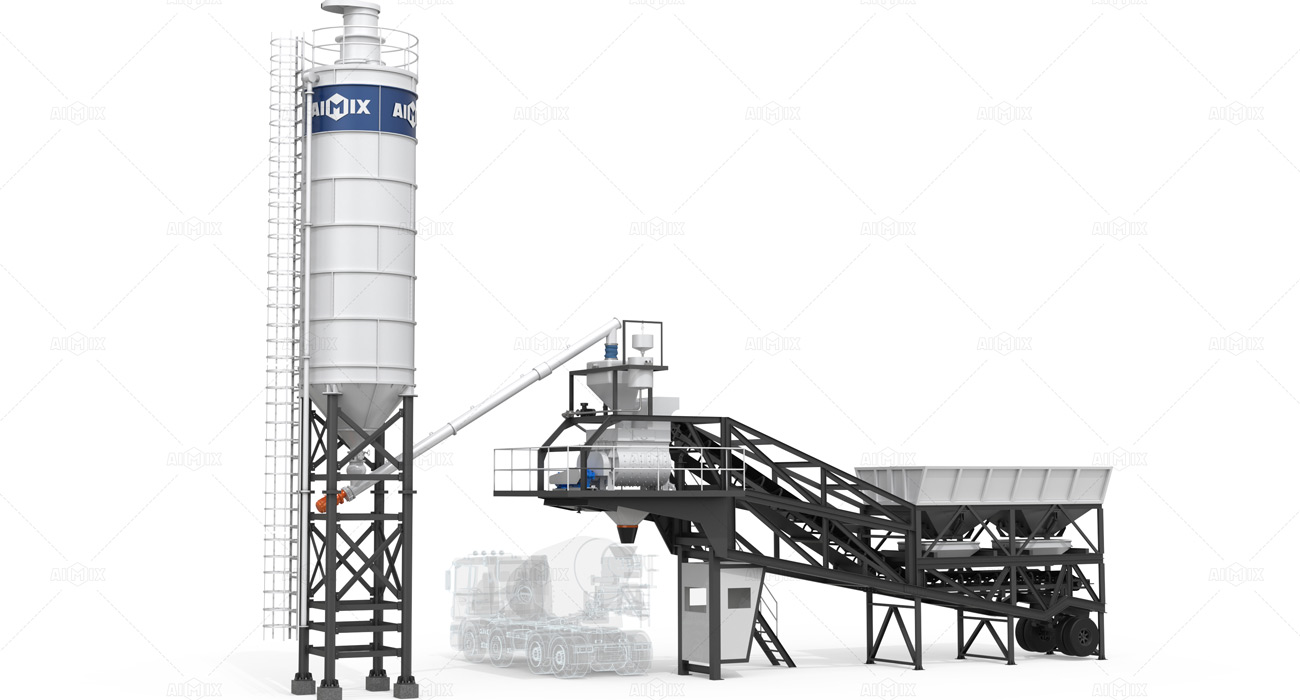
Mobile Wet Mix Plant — AJY Series
- Capacity: 25-120m³/h
- Mixer: Twin shaft mixer, Planetary
- Mixing Cycle Period: 72s
- Set-Up Time: Quick setup time (7-45 days)
Minimize Relocation and Deployment Time for More Efficient Multi-Site Construction
A highly integrated modular design in mobile batch plant concrete centralizes core components onto a mobile chassis, significantly simplifying the assembly and disassembly process. This allows the equipment to be fully installed and commissioned within a short timeframe, drastically reducing relocation and preparation periods so that projects can transition into active construction much faster.
Adapt to Diverse Construction Environments and Ensure Stable Production Across Different Sites
The wheeled mobile chassis enables flexible movement across unpaved roads and complex terrain. With minimal site requirements—often needing only simple ground leveling to operate—the equipment maintains consistent and stable production capabilities under a wide range of working conditions.
Lower Operating and Maintenance Costs While Maximizing Overall Equipment Utilization
An automated control system enhances the precision of batching and mixing operations, thereby minimizing human error. Concurrently, the modular structure facilitates easier maintenance and transport, leading to reduced operational and upkeep costs. A single unit can be efficiently cycled across multiple projects, effectively meeting construction demands while optimizing the overall return on investment.
| Types | Belt Type | ||
|---|---|---|---|
| Model | AJY-25 | AJY-35 | AJY-50 |
| Theoretical Productivity (m³/h) | 25 | 35 | 50 |
| Mixer Model (Mixer Output L) | JS500 | JS750 | JS1000 |
| Mixer Power (kW) | 18.5 | 30 | 2×18.5 |
| Mixing Cycle Period (s) | 72< | 72 | 72 |
| Rated Input Volume (Model of Batching Machine L) | 800 | 1200 | 1600 |
| Max.Aggregate Size (mm) | Φ60 | Φ60 | Φ60 |
| Standard Aggregate Bin Capacity (m³) | 2×3 | 2×5 | 2×5 |
| Category of Aggregate | 3/4/2002 | ||
| Powder Storage Silo (ton) (Optional) | 1×50 | 2×50 | 1×100 |
| Max. Discharging Height (m) | 3.8 | 3.8 | 4.1 |
| Weighing Range & Accuracy of Aggregate (kg) | (300~1500)±2% | (300~1500)±2% | (300~3000)±2% |
| Weighing Range & Accuracy of Cement (kg) | (100~300)±1% | (100~300)±1% | (250~900)±1% |
| Weighing Range & Accuracy of Water (kg) | (60~150)±1% | (60~150)±1% | (80~300)±1% |
| Weighing Range & Accuracy of Additive (kg) | / | (8~20)±1% | (8~20)±1% |
| Overall Weight (ton) | ≈15 | ≈22 | ≈26 |
| Installation Power (kW) | ≈61 | ≈73 | ≈92 |
| Power Supply | 380V/220V/415/440V, 50/60HZ, 3Phase | ||
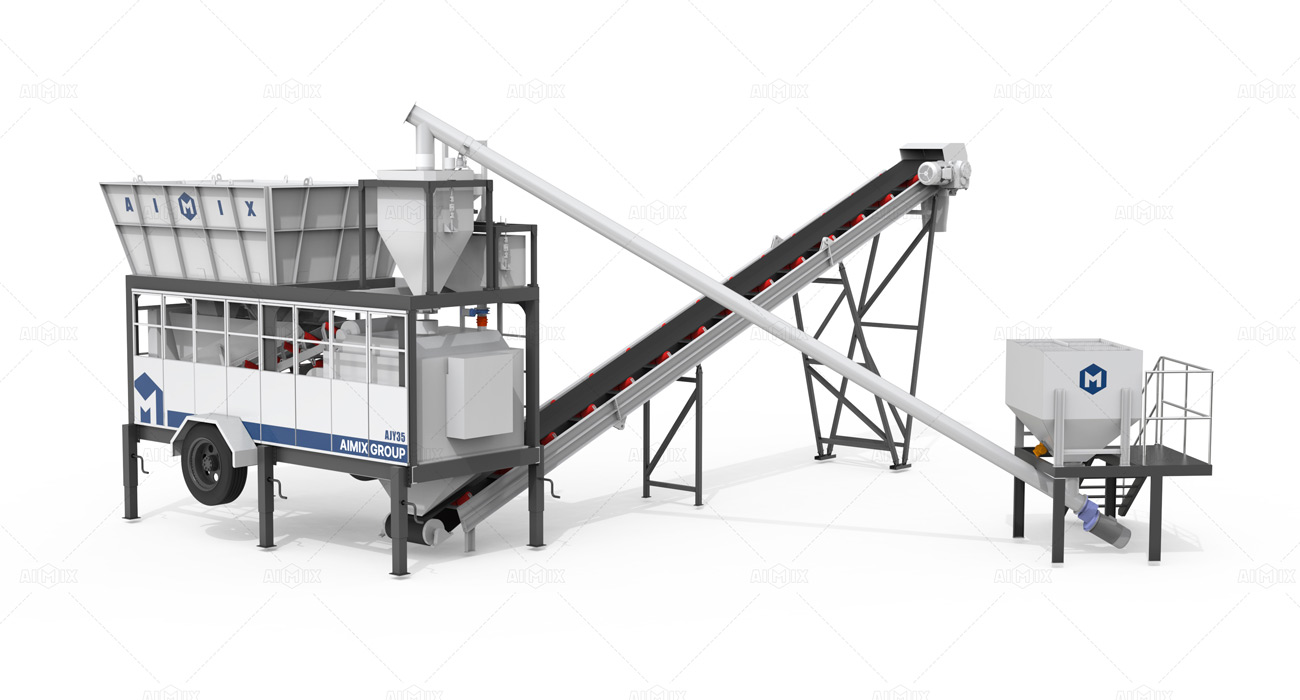
Compact Portable Wet Mix Plant — AJSY Series
- Capacity: 25-50m³/h
- Mixer: Twin shaft mixer
- Aggregate Feeder: 2×3.5 m³
- Set-Up Time: Fast setup, usually 1–3 days
Achieving High-Efficiency Production in Limited Spaces: Minimizing Site Constraints on Construction
The highly integrated, all-in-one design consolidates the mixing, batching, and feeding systems into a single structural unit. This compact footprint allows for flexible deployment in confined spaces or temporary construction zones. Furthermore, the single-belt feeding mechanism significantly reduces loading times, enabling the equipment to maintain stable production efficiency even within limited spatial environments.
Rapid Deployment and Simplified Operation: Facilitating the Execution of Small-Scale Projects
The portable batch plant features a streamlined structure and a lightweight installation process, allowing it to be fully deployed and commissioned within a very short timeframe. Combined with intelligent remote controls and a centralized operating system, basic operations can be performed by a single individual—thereby reducing labor costs and minimizing the reliance on specialized operators.
Lowering Investment and Operating Costs While Ensuring Foundation Construction Quality
The high-precision batching system allows for simultaneous weighing and mixing, ensuring continuous production while minimizing material waste. With its lightweight overall structure and simple maintenance requirements, the equipment is ideally suited for small-to-medium-scale projects or decentralized construction scenarios, effectively meeting concrete production demands for foundations while keeping investment costs under control.
| Model | AJSY35 |
|---|---|
| Productivity | 35 m³/h |
| Mixer | JS750 |
| Mixer capacity | 0.75 m³ |
| Aggregate bins capacity | 2×3.5 m³ |
| Control | Manual/Fully automatic control (with touch screen) |
| Cement weighing | 500kg |
| Water weighting | Time Relay |
| Additive weighing | Time Relay |
| Main frame | Channel steel |
| Chassis Size | 7.8×2.6×2.95m |
Whether it is the AJ series—designed for long-term, fixed-site operations—the AJY series—optimized for rapid deployment across multiple job sites—or the AJSY series—engineered for high-efficiency construction in space-constrained environments—AIMIX is dedicated to providing global customers with a diverse range of high-performance wet-mix concrete batching plant solutions. Through targeted design features, each wet mix plant machinery maximizes construction efficiency, material consistency, and operational convenience, ensuring that your concrete batching plant business plan proceed smoothly, remain within budget, and meet all quality standards.
How a Wet Mix Batching Plant Operates and System Overview
Once the suitable operating conditions for various types of wet-mix concrete batching plants have been clarified, understanding what is wet mix plant becomes particularly crucial. Whether fixed, mobile, or compact in design, wet-mix batching plants integrate aggregates, cement, water, and admixtures into ready-to-use wet-mix concrete through a systematic process of raw material storage and transport, precise metering, and efficient mixing. In the following sections, we will provide a detailed overview of each core system, explaining how they help you enhance construction efficiency, ensure consistent concrete quality, and simplify operations.
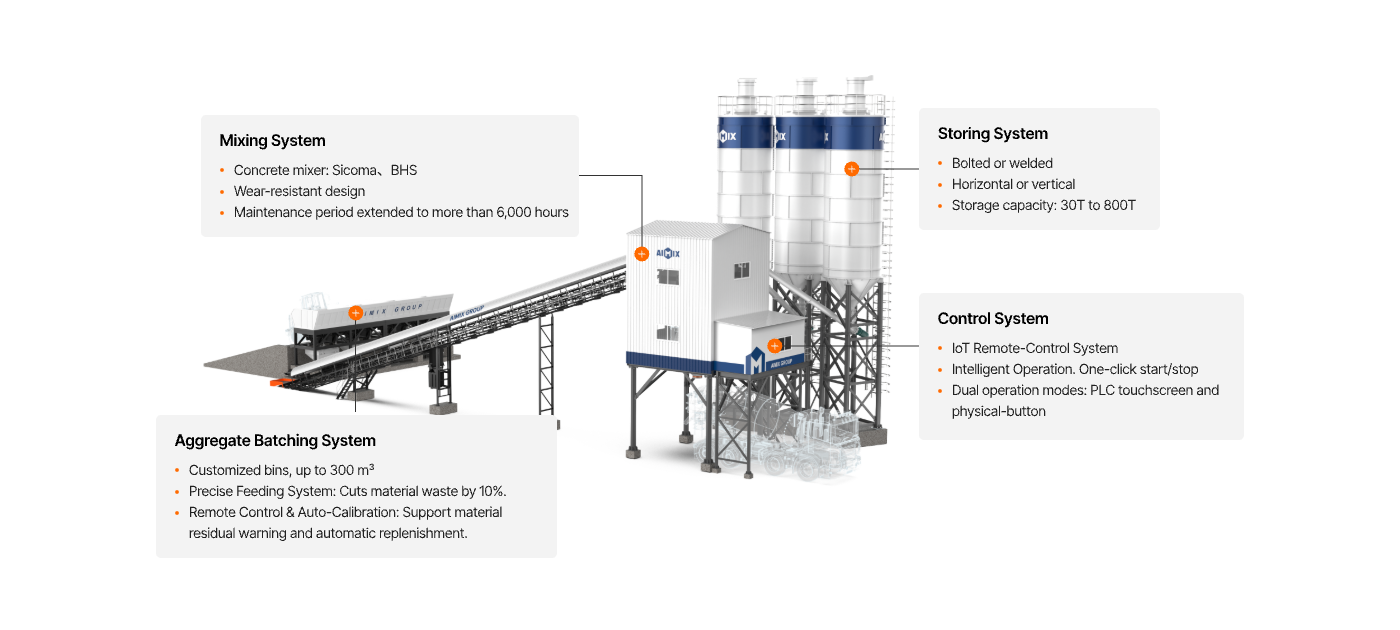
Mixing System
The core mixing system of the wet mix plant ensures that the concrete is uniform and exhibits stable performance. The twin-shaft mixer efficiently blends large volumes of material, making it ideal for continuous construction projects; it ensures consistent concrete properties in every batch, minimizes the need for on-site adjustments, and guarantees optimal compaction and structural strength. Conversely, the planetary mixer is suited for projects involving precast components or specialized mix designs, offering high-precision blending to ensure the concrete meets rigorous design standards—thereby instilling confidence in the construction team, reducing the risk of rework, and boosting construction efficiency.
Aggregate Storage and Conveying System
The aggregate storage and conveying system utilizes multi-compartment bins to classify and manage aggregates of various specifications, working in conjunction with belt conveyors or bucket elevators to ensure a steady supply of materials. This design guarantees a continuous flow of materials, preventing blockages and flow fluctuations, thereby ensuring a smooth supply of concrete throughout the construction process. Consequently, it minimizes downtime and delays, accelerating the overall construction pace and boosting production efficiency—making it particularly well-suited for large-scale continuous construction or multi-site projects.
Cement Storage and Conveying System
The cement storage and conveying system employs sealed, dry silos for cement storage, utilizing screw conveyors and high-precision weighing equipment to ensure accurate material dosing. This design guarantees a stable and reliable water-to-cement ratio and binder proportion for every batch of concrete, enabling the construction team to achieve consistent concrete performance. It minimizes construction deviations or the need for rework caused by inaccurate cement metering, while simultaneously reducing material waste and project costs.
Intelligent Control System
The PLC-based automated control system manages the entire production workflow, encompassing batching, mixing, discharging, and data monitoring. Through real-time monitoring and automated production optimization, the intelligent control system minimizes human operational errors and maintains a stable output rate. This empowers the construction team to effortlessly manage the production pace while ensuring consistent concrete quality, thereby providing robust support for project scheduling and construction management.
Environmental Protection System
The environmental protection system significantly mitigates dust emissions and material leakage risks through the use of sealed conveying mechanisms. This design not only ensures compliance with environmental regulations but also reduces on-site cleanup and maintenance costs, while simultaneously enhancing safety within the construction environment. Consequently, it enables construction teams to execute their tasks safely and efficiently, even in urban projects or on job sites subject to strict environmental standards.
From aggregates to cement, and extending to mixing and control—every single stage in wet mix plant is dedicated to a singular objective: making your concrete construction process smoother, more stable, and entirely worry-free. The mixing system ensures consistent performance in every batch of concrete; the storage and transport systems guarantee an uninterrupted supply of materials; intelligent controls simplify operations; and eco-friendly systems enhance site safety. By ensuring stable concrete quality, continuous material supply, and efficient production—all while you remain focused on the actual construction work—a wet mix concrete batch plant facilitates the smooth advancement of your entire project and delivers construction outcomes that are far more controllable.
Evaluating the Core Performance of Wet Mix Plants
Once you have grasped the operating principles of the various core systems within a wet mixing plant, a critical question naturally arises: Can this equipment truly meet your specific construction requirements?
Judging a machine’s actual performance in the field based solely on its external appearance or model specifications is a difficult task. However, by analyzing a series of key performance indicators, you can clearly and quantitatively assess the uniformity of the concrete mix, the metering precision of aggregates and cement, the continuity of discharge, and the stability of the operating system—and even evaluate its environmental performance and level of automation.
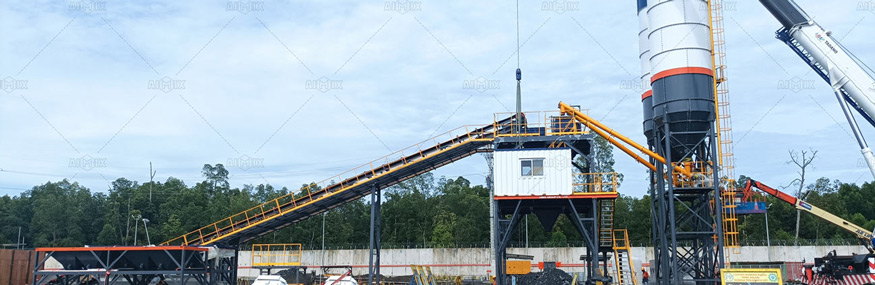
Mixing Uniformity
- Indicator Significance: Measures the degree of homogeneity in the mixture of various components within each batch of concrete; it is a critical parameter for assessing the stability of concrete quality.
- Reference Benchmarks: Twin-shaft mixers: 90–95%; Planetary mixers: 95–98%.
- Evaluation Criteria: For high-grade or specialized concrete projects, equipment offering superior mixing uniformity should be selected to ensure consistent material performance.
Aggregate Batching Accuracy
- Indicator Significance: Errors in aggregate batching significantly impact the concrete’s water-cement ratio and compressive strength; this serves as the fundamental basis for quality control at a concrete mixing plant.
- Reference Benchmarks: ±1–2%.
- Evaluation Criteria: Higher accuracy ensures greater reliability in the concrete mix design, thereby minimizing the need for adjustments and rework during construction.
Cement, Water, and Admixture Batching Accuracy
- Indicator Significance: Controls the precise quantities of cement, water, and admixtures batched into the mix, ensuring the accuracy of the concrete’s designed mix ratio and influencing both its strength and workability.
- Reference Benchmarks: ±0.5–1%.
- Evaluation Criteria: High-precision batching systems guarantee that every batch of concrete meets design specifications, making them particularly suitable for high-grade or functional concrete applications.
Discharge Interval Stability
- Indicator Significance: Refers to the temporal consistency of batch discharge intervals, which directly impacts the continuity and pace of construction operations.
- Reference Benchmarks: Discharge interval ≤1–2 minutes.
- Evaluation Criteria: Equipment with stable discharge intervals can effectively support continuous paving operations or simultaneous construction activities across multiple sites, thereby minimizing construction interruptions.
Environmental Performance Indicators
- Indicator Significance: Reflects the mixing plant’s capabilities regarding dust removal, material containment (leakage prevention), and wastewater recycling, ensuring environmentally responsible and safe construction practices.
- Reference Benchmarks: Dust removal efficiency ≥95–98%; Material leakage rate ≤1% per day.
- Evaluation Criteria: Equipment with superior environmental performance indicators is well-suited for urban environments or construction sites with stringent environmental requirements, ensuring full compliance with relevant environmental regulations.
Operational Stability and Automation Level
- Indicator Significance: Measures the reliability of the PLC system and automated controls, encompassing functions such as batch sequencing, material discharge, and fault response.
- Reference Benchmarks: System failure rate ≤1%; Support for remote monitoring capabilities.
- Evaluation Criteria: Equipment featuring a high level of automation and operational stability minimizes the need for manual intervention, thereby ensuring continuous production and maximizing construction efficiency.
By reviewing these key indicators, you can more intuitively determine whether a wet mix plant is truly a worthwhile investment. Mixing uniformity, weighing accuracy, discharge stability, operational reliability, and environmental performance—each of these factors directly impacts construction quality and efficiency. By mastering these benchmarks, you can select equipment with greater confidence—without having to rely solely on promotional claims or subjective judgment—thereby ensuring that your entire project, from inception to completion, proceeds more smoothly and remains under better control.
Select the Wet Mix Plant That Fits Your Needs
Having understood the core performance indicators of a concrete mixing plant, the next step is to translate this data into a selection decision. A scientific approach to equipment selection requires not only an evaluation of the machinery itself but also a consideration of project scale, construction environment, and concrete characteristics, ensuring that every choice aligns closely with actual construction requirements. Outlined below is a systematic selection process designed to help you identify the most suitable wet-mix concrete mixing plant for your needs.
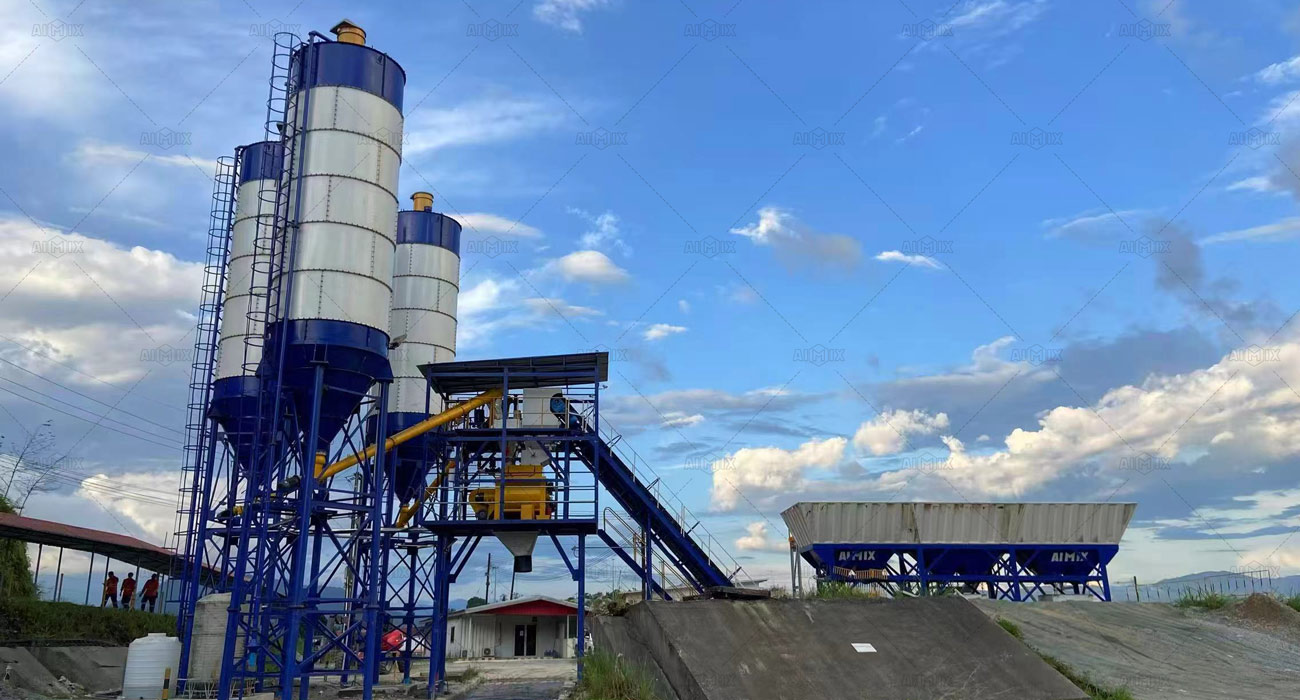
Assessing Project Scale and Construction Duration
This stage primarily involves determining the volume of work and the construction pace, providing a basis for matching equipment capacity and type to project needs.
- Define Total Project Volume: Calculate the total volume of concrete required over the entire construction period to establish baseline data for equipment selection.
- Determine Construction Frequency: Distinguish between continuous operations, high-frequency operations, or short-term, small-batch operations, as each places different demands on equipment output and operational continuity.
- Match Equipment Capacity: Based on the average daily output required and the overall construction duration, select the appropriate equipment type—whether stationary, mobile, or portable wet mix plant.
Analyzing Construction Site Conditions
This stage focuses on evaluating available site space, terrain, and logistical accessibility to determine equipment layout and mobility requirements.
- Site Space: Limited space is better suited for compact or mobile equipment, whereas stationary equipment requires dedicated space reserved specifically for installation.
- Terrain and Logistics: Complex terrain or projects involving multiple construction points are better suited for mobile wet mix plant, which can be rapidly deployed and relocated.
- Environmental Constraints: Urban projects or sites with strict environmental regulations require equipment that incorporates effective dust control and wastewater treatment capabilities.
Matching Material Characteristics and Concrete Grades
This stage ensures that the selected equipment can meet specific concrete performance requirements, thereby guaranteeing construction quality.
- Concrete Grade: High-grade concrete production requires equipment capable of delivering high mixing precision.
- Aggregates and Admixtures: The specific characteristics of the materials used dictate the required levels of weighing accuracy and mixing uniformity.
- Special Mixing Requirements: For projects involving specialized or functional concrete mixes, priority should be given to equipment models featuring high levels of automation and precision.
Evaluating Construction Methods and Processes
This stage assesses the wet mix plant’s adaptability regarding the construction pace and operational continuity.
- Construction Pace: Continuous paving or large-area construction projects require equipment with stable discharge intervals and controllable operations.
- Construction Duration: Short-duration projects or those involving multiple work points call for equipment that allows for rapid startup and easy relocation.
- Level of Automation: Highly automated equipment minimizes the need for manual intervention, thereby ensuring high construction efficiency.
Considering Environmental Protection and Site Management
This stage aims to ensure that construction activities comply with environmental regulations while simultaneously reducing management costs.
- Dust Control and Emissions: Efficient dust suppression and wastewater recovery systems help minimize environmental impact.
- Noise Control: Projects located in urban areas or noise-sensitive zones require careful consideration of the noise levels generated by equipment operations.
- Operational Convenience: Features such as remote monitoring and automated controls help alleviate the burden of on-site management.
Balancing Budget and Future Expansion
This phase ensures that equipment selection not only meets current requirements but also takes into account long-term investment value.
- Investment Budget: Buy concrete plant of an appropriate scale based on available financial resources.
- Future Expansion: Opt for fixed or modular equipment configurations to accommodate future capacity increases or the needs of new project sites.
- Maintenance and Durability: Strike a balance between equipment durability and routine maintenance costs to ensure a sustainable long-term return on investment.
By following the six steps outlined above, you can systematically evaluate project requirements, site conditions, material characteristics, construction methods, as well as wet mix plant price and expansion plans, thereby making a scientifically sound choice regarding the most suitable equipment. Each step helps you navigate critical decision points, ensuring that your equipment selection not only meets construction specifications but also optimizes for efficiency, stability, and long-term investment value.
Should you have any questions during the selection process, AIMIX’s professional team is available to provide tailored advice. We will recommend the most appropriate equipment solution based on your project’s specific characteristics, ensuring smooth construction progress and providing you with greater peace of mind regarding your investment and operational efficiency.
Finding the Right Wet Mix Plant Manufacturer: Selection Meets Evaluation
Upon completing the selection of a wet mix plant and the evaluation of key performance indicators, identifying a suitable supplier becomes the next critical step. While finding potential suppliers is not difficult, the true challenge lies in accurately assessing their actual capabilities and their suitability for the specific project. From preliminary information gathering to the verification of client feedback, a systematic evaluation process can help mitigate procurement risks and ensure both equipment quality and the smooth execution of subsequent construction work.
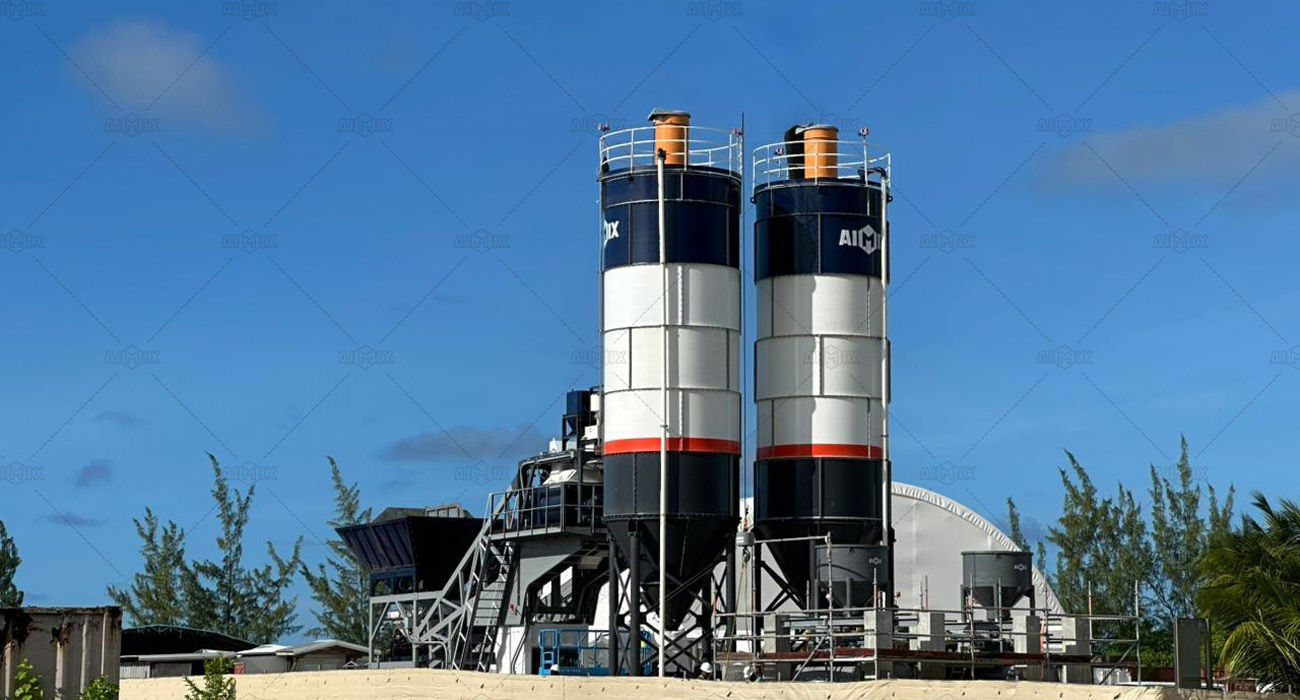
Preliminary Understanding & Information Gathering
- Review Official Website and Product Literature: Verify whether the supplier possesses a comprehensive product line of wet batching plant—including stationary, mobile, and compact models. Pay close attention to the level of detail in product specifications and the clarity of descriptions to gauge their professionalism.
- Scrutinize Qualifications and Certifications: Examine business licenses, ISO/CE certifications, and patent information to confirm the company’s legitimacy and technical capabilities. A wet mix plant manufacturer with complete credentials typically signifies standardized production management and a robust quality control system.
- Document Questions and Inquiries: Compile a list of questions regarding output capacity, automation levels, maintenance costs, environmental protection features, and other concerns to ensure you receive direct, expert responses during subsequent communications.
Communication Responsiveness & Professionalism Assessment
- Contact Sales or Technical Teams: Observe the speed of their response and the completeness of the information provided. Prompt and detailed responses usually indicate standardized internal processes and high communication efficiency.
- Present Project Requirements: Test the concrete batching plant supplier‘s ability to propose tailored solutions based on your specific project scale, construction timeline, and required concrete grades. Professional and insightful answers demonstrate extensive engineering experience and the capacity to offer practical, implementable advice.
- Evaluate Communication Efficiency and Attitude: Note whether the supplier answers questions patiently and proactively suggests optimization strategies for the construction process. This directly reflects their reliability as a long-term partner and their commitment to customer service.
Product Line & Solution Suitability
- Completeness of Equipment Models: Verify whether their product range covers all potential construction scenarios—such as high-output stationary plants, mobile wet mix plant for large-scale sites, or compact units for space-constrained locations. The greater the flexibility in equipment selection, the higher the adaptability during subsequent construction phases.
- Technical Highlights & Customizability: Assess whether the equipment supports high-precision weighing, remote monitoring, automated control systems, and environmental protection features. The more comprehensive the functionality, the more convenient on-site operations become, thereby reducing construction risks.
- Solution Alignment: Compare the proposed equipment configuration against your specific project requirements—such as wet mix batch plant precision, water-cement ratio control, and mixing uniformity—to ensure the equipment’s output meets all quality standards.
On-site Inspection & Factory Capability Verification
- Factory Tour: Observe the layout of the production line, assembly processes, and quality inspection protocols to ensure they are standardized; verify that material quality and welding precision meet industry standards. Excellent production conditions typically indicate that the equipment leaving the factory will be stable and reliable.
- Demonstration of Sample Units: Experience the equipment’s operating interface, mixing uniformity, and automation features firsthand to determine whether the machinery is user-friendly and aligns with your project’s specific requirements.
- Production Scale & Delivery Capacity: Inquire about their order processing capabilities and delivery lead times to ensure that the equipment can be delivered, installed, and commissioned in a timely manner within your project’s construction schedule.
Service Capabilities and After-Sales Support
- Installation Guidance and Operational Training: Verify whether the supplier provides on-site installation and operational training, and ensure that the training curriculum covers maintenance, safe operating procedures, and routine troubleshooting.
- Spare Parts and Maintenance: Inquire about the lead times and pricing for spare parts, and confirm the availability of standardized maintenance manuals and technical support. Ease of equipment maintenance helps minimize downtime and reduce additional costs.
- Remote Monitoring and Technical Support: Determine whether the supplier offers remote fault diagnosis, software updates, and technical guidance—services that are particularly critical for construction projects located in remote or distant regions.
Client Reputation and Case Validation
- Reference Cases: Analyze the supplier’s performance in similar projects, specifically evaluating factors such as the construction environment, production output achievement rates, and concrete quality.
- Client Feedback: Gather feedback from actual clients regarding the equipment’s stability, operational ease, and after-sales service quality; note that opinions from long-term clients tend to hold greater reference value.
- Track Record of Long-Term Partnerships: Assess whether the supplier maintains long-standing relationships with its clients, as this serves as an indicator of their reliability, integrity, and sustained service capabilities.
By following the six steps outlined above, you can gain a comprehensive understanding of a supplier’s qualifications, equipment performance, service capabilities, and customer reputation, thereby enabling you to make informed decisions and mitigate procurement risks.
Amidst a multitude of options, AIMIX stands out as a trustworthy and professional supplier, distinguished by its extensive product line of wet mix plants, a seasoned technical team, and a robust after-sales service system. Whether you require a stationary, mobile, or compact wet-mix batching plant, AIMIX can provide tailored solutions designed to meet your specific project requirements, ensuring efficient and stable equipment operation to make your construction process smoother and more reliable.
Simplify and Secure Your Construction with Wet Mix Plants
Choosing a wet mixing plant means selecting not merely a piece of equipment, but a more stable construction workflow, superior mixing uniformity, and highly controllable project outcomes. Whether for urban roadways or large-scale industrial developments, a wet mixing plant ensures that your materials reach their optimal state before ever arriving at the job site—minimizing on-site adjustments and ensuring that every stage of construction proceeds with maximum smoothness.
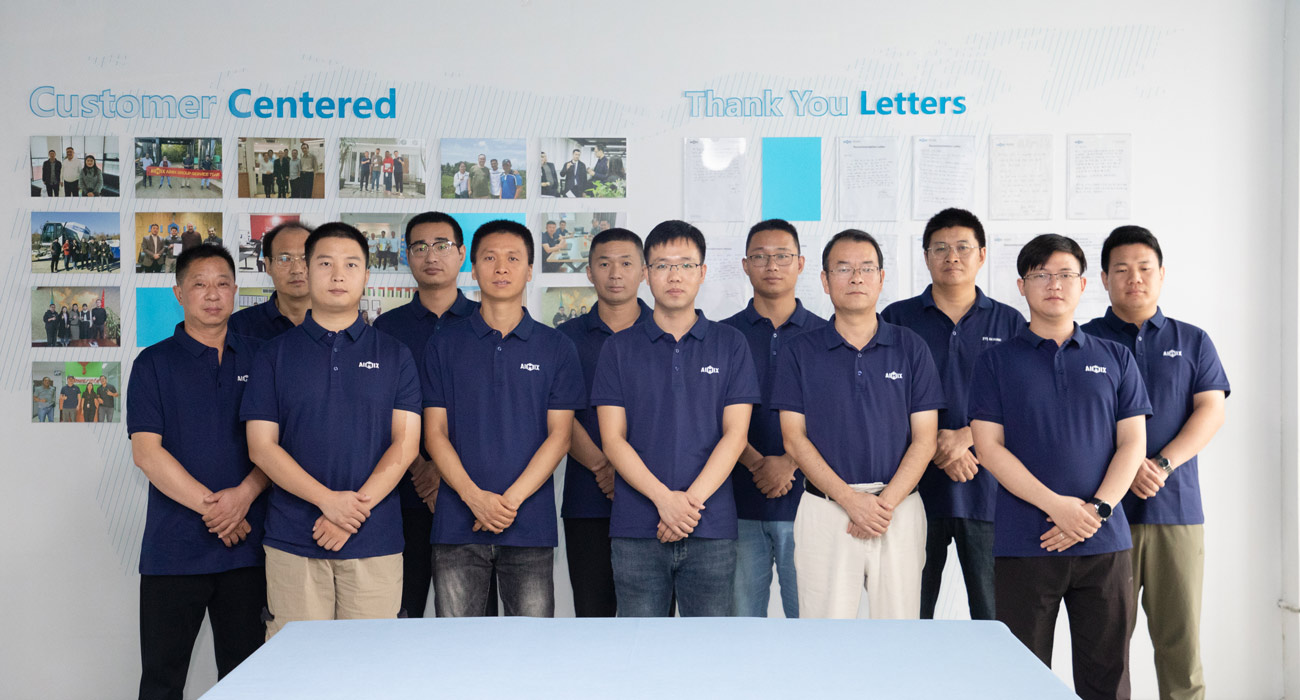
AIMIX offers not only a diverse range of wet-mix batching plant models but also boasts a professional technical team, comprehensive after-sales support, and extensive project experience, ensuring that your equipment operates with high efficiency and reliability—from installation and commissioning through to daily operations. To choose AIMIX is to secure a guarantee of effortless construction, project efficiency, and unwavering quality.